

As Odeshola Mutiu Adeshina, founder and director of Odesbaba Couture, I joined the second iteration of RaiseFashion’s Brand Fellowship programme with a clear intention—to position Aso-Oke within a broader global fashion conversation while strengthening the strategic direction of my brand.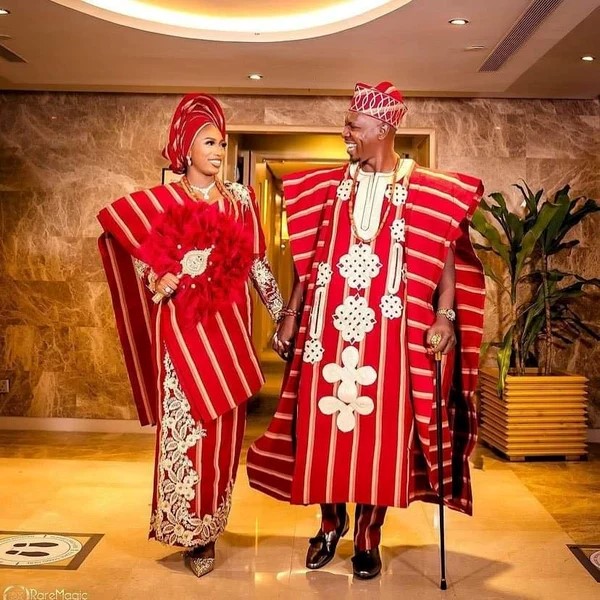

RaiseFashion, the US-based non-profit launched in July 2020 in response to the Black Lives Matter and wider social justice movements, was created to provide increased support and advocacy for BIPOC talent and business owners within the fashion industry. At a time when industry-wide efforts around diversity, equity and inclusion (DEI) have struggled to maintain momentum—marked by shifting corporate priorities and a visible pullback in long-term commitments—the organisation continues to push forward its mission.
Participating in the eight-week Brand Fellowship programme, I was part of its largest cohort to date, bringing together designers across the US and UK, while I represented a Nigeria-based perspective through Odesbaba Couture. Each participant received a $15,000 grant, with the opportunity for additional funding awarded to finalists at the end of the programme.

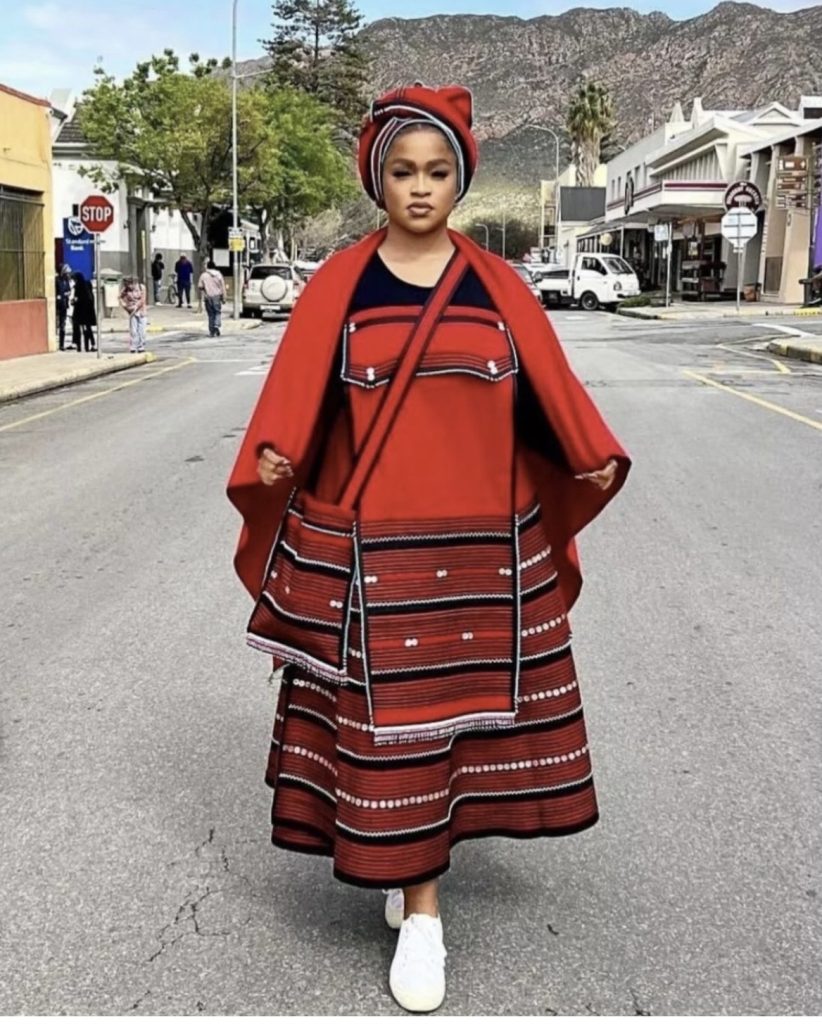
Beyond financial support, the programme offered access to RaiseFashion’s extensive advisory network of over 400 industry leaders. Through 35 mentoring sessions—an expansion from previous editions—I engaged with experts across brand strategy, operations, and market positioning. These sessions provided not only technical insights but also critical exposure to the realities of building a sustainable fashion business in today’s landscape.
The educational programming further explored key strategic and operational frameworks, with contributions from established industry figures including James Gilchrist, Laquan Smith, and Kathryn Chalmers. For me, these conversations became a space to examine how a brand like Odesbaba Couture—rooted in Nigerian heritage and centred on Aso-Oke—can scale without losing its cultural integrity.
“In a period where enthusiasm for funding and dedication to social impact initiatives appears to be diminishing, continued investment in emerging talent remains crucial,” said RaiseFashion executive director Felita Harris. This sentiment reflects a broader reality: while opportunities like this programme are significant, they also highlight the gaps that still exist for designers operating outside traditional fashion capitals.
As a Nigeria-based designer, participation in the programme was not just about access, but about translation—how to communicate the value of Aso-Oke, a deeply cultural and handwoven textile, within a global market that often prioritises speed and scalability over craftsmanship.
The programme also offered the opportunity to present work within a New York Fashion Week showroom environment, connecting designers with retailers, editors, press and wider industry audiences. While not all designers are equally positioned geographically, such platforms remain critical in bridging visibility gaps.
Through this experience, Odesbaba Couture was not only able to showcase its work but to refine its approach to growth—balancing heritage with strategy, and craftsmanship with commercial awareness.
At its core, my participation in RaiseFashion reflects a broader question facing the industry: how can meaningful support for BIPOC designers extend beyond moments of visibility into long-term structural change?

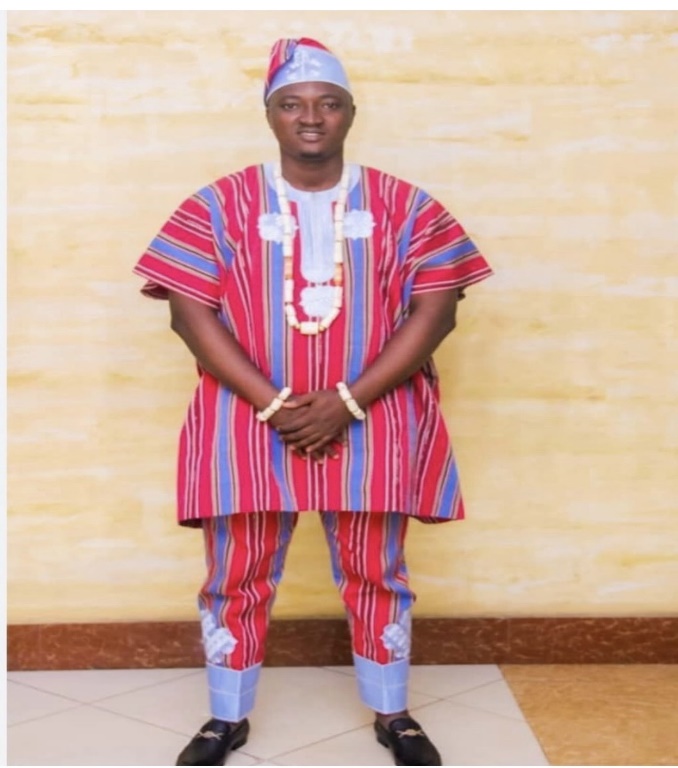
For Odesbaba Couture, the answer lies in continuing to build from a place of authenticity—using Aso-Oke not just as a cultural reference, but as a foundation for innovation, identity, and global relevance.