

Words by- Josephine Agbonkhese
In the vibrant world of Nigerian fashion, Olufunke Adepoju, granddaughter of legendary thespian, the late Hubert Ogunde, and famous industrialist, Prince Samuel Adedoyin, stands as a trailblazer, weaving creativity and culture into every piece of her eponymous womenswear brand, Funke Adepoju, and its dynamic diffusion line, Phunk Afrique.
From reimagining t-shirts and skirts with bold embellishments during her university years, Adepoju’s passion for design has evolved into a celebrated brand launched in 2008.

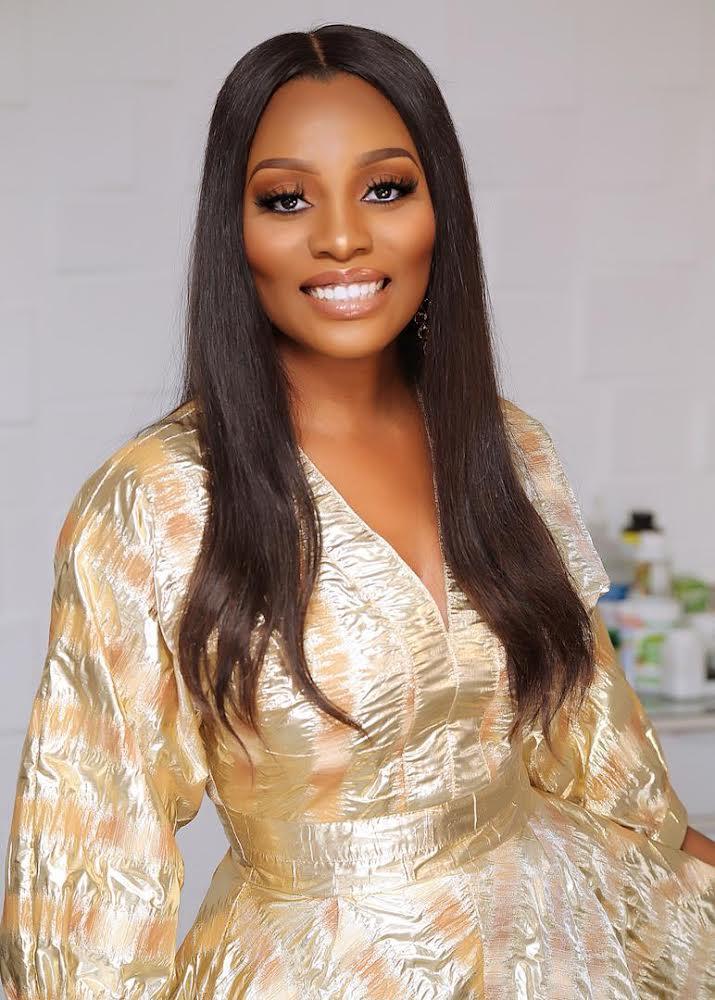
With a degree in Economics, this visionary transformed her genetic creative spark into a powerhouse, debuting her first collection, ‘With Love from Lagos,’ in 2009, and swiftly expanding into ready-to-wear and children’s lines. That same year, she clinched the City People Best Designer of the Year award, a testament to her meteoric rise.
Adepoju’s designs continue to grace prestigious runways and platforms, both across Africa and the world. With collections celebrated in Vogue Italia, Essence, and beyond, she has elevated African fashion on the global stage, most notably through her UK-based pop-up brand, Made in Lagos.
A judge on the FUZE Talent Show, the dotting mother of two, who is strongly passionate about mentoring emerging talents and empowering communities through sustainable fashion, spoke exclusively with Allure.
What inspired you to pursue a career in fashion, and how did your eponymous label officially begin?
My journey into fashion began long before I realised it was a career path. I grew up watching my mother transform simple fabrics into pieces full of beauty, elegance, and cultural pride. That early exposure shaped my eye for design and my love for storytelling through style.
While studying at university, I began reworking old t-shirts and skirts for classmates—adding beading, embellishments, and a new attitude to the ordinary. What started as a creative outlet quickly turned into a growing demand. After graduating, the passion stayed with me, and so did the requests from friends and family who wanted something different—something bold yet refined.
The deciding moment came when a friend invited me to showcase my pieces at a networking event. The response was overwhelming. That moment confirmed what I already knew deep down: this was more than a hobby—it was a calling!

Clinching the City People Designer of the Year Award in 2009 just one year after launching shows you hit the ground running. What distinguished you so quickly?
I think our designs singled us out and made us stand. Also the concept and designs we offered the market was new, fresh and modern; and the market loved it.
Looking back, what would you say was the turning point for your brand?
I would say we had two major turning points. The first was when we did our first collection in 2009 and Bella Naija put it on her platform. It went viral and we were getting calls and orders from all over the world.
How would you describe your designs?
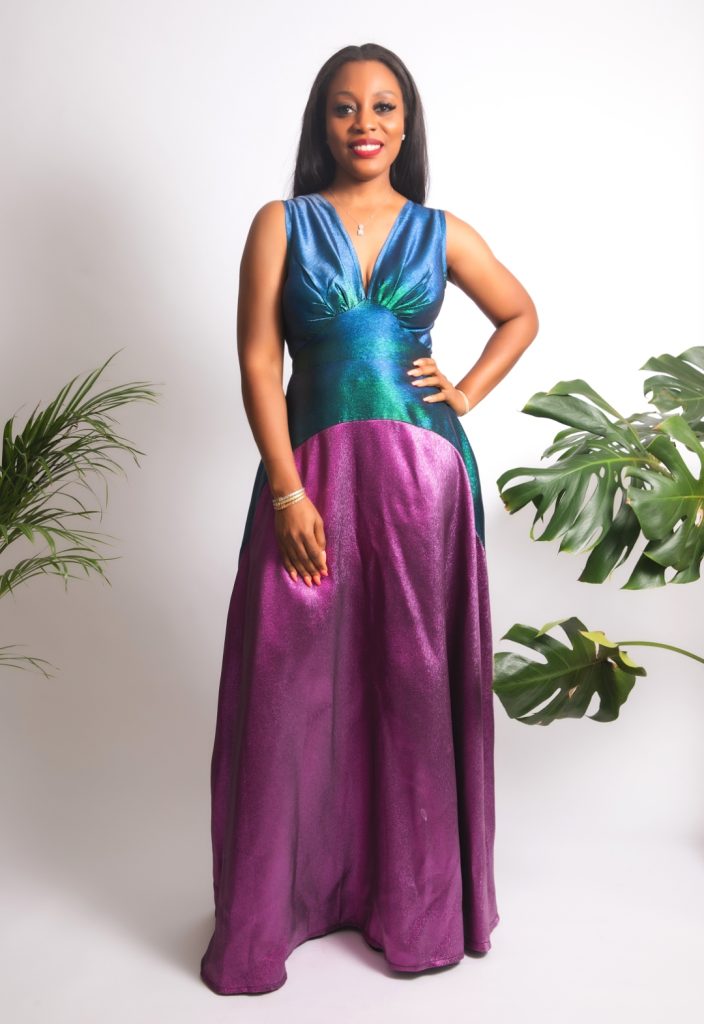
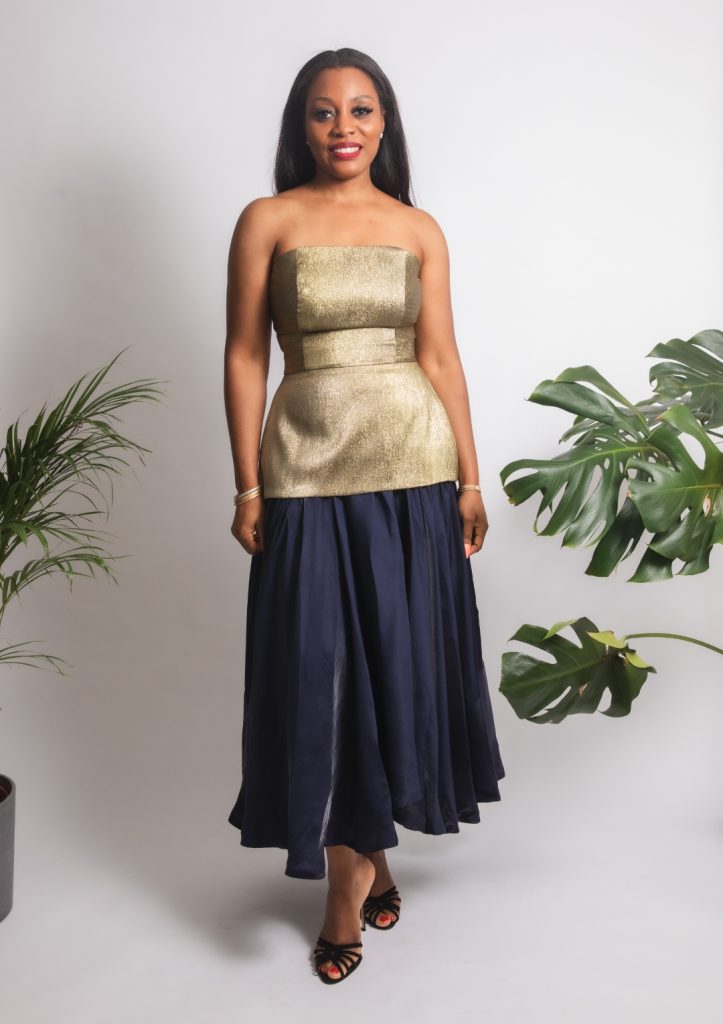
Our designs are simple, elegant and effortless. I think using locally made fabrics and traditional techniques to create more contemporary styles is what helps strike the balance. It allows the pieces to feel rooted in culture, but still fresh and wearable for different people and markets.
I’m always thinking about how to take something traditional and present it in a way that feels modern—whether it’s the cut, the styling, or how it fits into everyday life. That’s how we keep the heritage alive, while still moving forward creatively.
What’s your view on ethical fashion and in what ways do you promote the practice?
At Funke Adepoju, we promote ethical fashion in several ways. We work with local artisans and communities, ensuring fair wages and celebrating traditional craftsmanship. We’re intentional about using locally sourced fabrics, which supports the local economy and reduces our carbon footprint.
We also produce in small, thoughtful batches; which helps minimise waste and allows us to maintain quality over quantity. And beyond the clothes, we’re committed to empowering women through partnerships like the one we had with the Adara Foundation, giving women real skills and opportunities.
What was the driving force behind launching “Made in Lagos” in 2022, and how does it reflect your goal?
The driving force behind launching Made in Lagos was the urgent need to shift the narrative around African brands—how they’re perceived, accessed, and valued globally. After moving to the UK in 2021, I saw firsthand how limited the exposure was for authentic Nigerian and African fashion. There was talent, quality, and demand—but a clear disconnect between the brands and the diaspora community that craved them. In response, I launched the first Made in Lagos pop-up in August 2022—a two-day event in London featuring my own brand alongside four other fashion and skincare labels from Nigeria.
Made in Lagos was my way of bridging that gap. By creating a platform that brings African creativity directly to new markets, I’m not just showcasing fashion—I’m pushing a cultural movement. It reflects my goal of building global respect for African design and giving our brands the space and visibility they truly deserve.
As one with passion for mentoring emerging talents and a judge on the Stanbic IBTC Pension Managers’ FUZE Talent Show, what qualities do you look for in emerging designers?
For me, it goes beyond just talent. I look for designers who have a clear point of view—those who know what they want to say through their work and are not afraid to say it boldly. Originality, a strong sense of identity, and attention to detail are key. But I also pay close attention to how they think: Are they open to learning? Can they take feedback and grow from it?
Fashion is not just about creativity—it’s also about resilience, discipline, and the ability to adapt. I’m always inspired by young designers who are hungry to evolve and committed to building something that lasts.
What strategies would you say have been key to expanding your brand internationally?
I would say staying true to our brand identity, participating in exhibitions, fashion shows and curated fashion events worldwide which open us up to more diverse communities and markets. Also maintaining a good relationship with the different vendors we work with because they can in turn, refer us to other markets. Also making sure we give that quality that we advertise and that it meets the criteria and standards of the international markets. And also, using our social media platforms effectively; social media has made the world a lot easier to reach.
From your experience, what challenges would you say African designers typically face in the global fashion industry?
One of the major challenges is scaling while still retaining the same level of quality can be a problem. Demand grows faster than the infrastructure available. Also, access to funding to scale is a major issue.
Again, access to the right resources, personnel, technology, fabric; these are all important factors that hamper growth in the fashion industry.
Your thoughts on the Nigerian fashion industry right now…
Nigeria’s fashion industry has undeniably taken center stage. From pop-ups and international fashion weeks to red carpet moments and global stockists, Nigerian designers are everywhere—dressing celebrities, gracing magazines, and redefining the narrative around African style.
It has evolved into a digitally powered, ethically conscious, and globally relevant force. The fusion of heritage with innovation, and the rise of sustainability, craftsmanship and tech-driven designs, are shaping a future where Nigerian fashion isn’t just participating. We are definitely a force to reckon with.
What would you consider some of your most memorable runway experiences and at what events?
It was the Arise Fashion Week in 2018 when we showcased our collection “Lola Flores”. There were buyers there who discovered our brand and it launched us into new markets.

Looking back, is there a particular collection or moment in your career that you’re most proud of, and why?
The “Obinrin” collection, in particular, was deeply personal and powerful. We collaborated with the Adara Foundation, an organisation dedicated to empowering low-income women through craft and handiwork. We used traditional Adire fabrics, each one hand-dyed and detailed with illustrations of women carrying the world symbols of resilience, strength, and grace.
The collection was a beautiful blend of frills, beads, and fringe, but beyond the aesthetics, it told a story. A story of womanhood, of empowerment, and of our heritage re-imagined. It’s one of those moments in my career that reminded me why I do this—to create with meaning, and to uplift others through fashion. This collection brought me so much joy.
In what ways are you giving back?
One key way is through mentorship and empowerment. I’ve had the opportunity to mentor emerging designers, both formally like in my role as a judge on the Stanbic IBTC FUZE Talent Show and informally through ongoing guidance and support. I believe in lifting as you rise, and I want young creatives to know there’s space for them at the table.
I also collaborate with organisations like the Adara Foundation, where we worked with women from low-income communities, providing them with training and opportunities to participate in the production of our Obinrin collection. It was important to not just tell their stories, but to give them a platform to be part of the process. The Adara Foundation is now a part of our production process and we work with them fully as we are mindful of where our proceeds are going.
Also, Made in Lagos is itself a form of giving back. It’s a platform created to amplify African brands, giving them visibility, access to new markets, and a chance to connect with the diaspora in meaningful ways. For me, success isn’t just about growth but about impact.
We take out dedicated funds to support and raise money for charities, especially those focused on women, children, and underserved communities. Whether through direct donations or collaborative projects, we’re intentional about making sure our success contributes to something greater.
What was growing up like and in what city did you grow up?
I grew up in Lagos. We are a very close nit family. During holidays, we hung out with our cousins and grandma a lot. We would be in each other’s homes.
What do you consider your most-memorable childhood moment?
I remember playing dress-up with my mother’s wrappers and heels, pretending I was on a runway before I even knew what one truly was. My mum was a fashion designer, so fashion wasn’t just around me — it was part of my world. I did photoshoots, walked the runway at her shows, and was immersed in fabrics. We beaded and painted and put glitter on T-shirts, fittings, and flair from a young age.
How do you relax?
I love to travel—it helps me reset and draw fresh inspiration. I also enjoy spending time with friends, sharing laughs, good food, and great conversations . And some of my favourite moments are just hanging out with my kids and their friends. Their energy and curiosity remind me to stay playful and present.
What’s one lesson from your journey that you hope inspires the next generation of fashion innovators?
In an industry that’s constantly shifting, the most powerful thing you can bring to the table is you—your culture, your story, your perspective. It gets tough and sometimes you can go through a patch where it seems things may not be working. But keep at it, don’t give up. People are watching. And that big break will come.
Trends come and go, but authenticity never goes out of style. At the same time, remain open to learning, adapting, and growing. That balance of staying true to who you are while embracing change is where real innovation lives.
What’s on the horizon for Funke Adepoju?
We’re excited to be opening our flagship store before the end of the year— a space that will bring our brand experience to life in a whole new way. Alongside that, we’re launching a diffusion line to offer more accessible, everyday styles without compromising on our signature quality and design.
We’re also creating a fashion hub— a collaborative space where emerging designers can come to create, produce, and sell their own collections. It’s about building community and empowering the next generation of creatives.
And finally, we’re expanding internationally, launching Funke Adepoju in new markets across Europe and the USA— bringing our unique blend of African heritage and contemporary style to a wider audience. The future feels bright, and we’re just getting started.
How have the legacies of both your grandfathers helped?
It’s quite remarkable that they came from completely different backgrounds and walks of life, yet both left behind the same powerful legacy: hard work and the value of a good name.
I never met my paternal grandfather, Hubert Ogunde, but his impact speaks for itself. Through his groundbreaking work in theatre and the arts— still celebrated to this day— it’s clear he was a man of vision, discipline, and determination.
On the other hand, my maternal grandfather, Prince Samuel Adedoyin, is someone I’ve had the privilege of spending time with. Even at 90, he still gets up and goes to work by 8am; a true example of consistency. He often reminds my siblings and me, “I may not leave you with material things, but I can show you how a good name will always go ahead of you.”
That lesson has stayed with me. It’s how I try to live my life working hard, staying true to my values, and building something that speaks well of my name long after I’m gone.