

The recent passing of former President Muhammadu Buhari, who died in a London hospital after battling an undisclosed illness, sparked a wave of mixed reactions across Nigeria.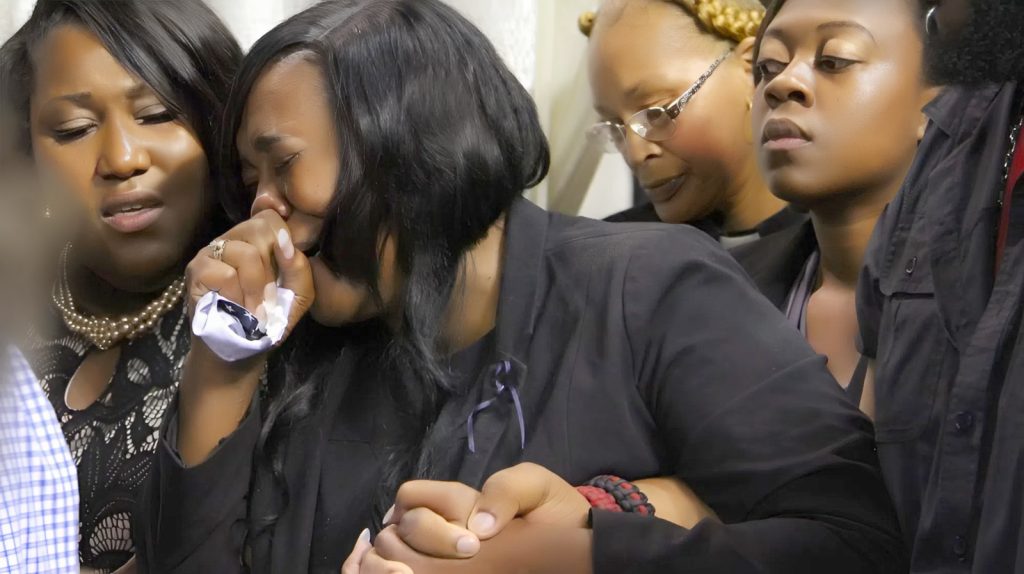

While some expressed sorrow and offered prayers for his soul, others responded with open disdain and even celebration. This unfortunate trend raises a pressing concern about how we, as a society, handle death — particularly the legacy and memory of the departed.
Death, regardless of the person involved, should be met with a measure of solemnity and respect. It is not only a deeply cultural issue but also a reflection of our values as a people.
Across Nigeria’s diverse ethnic and religious groups, burial rites and mourning practices are sacred. Whether in Christian, Islamic, or traditional settings, the dead are accorded respect, and the grieving are treated with compassion. This cultural foundation is now being challenged in an age of increasing polarisation and digital outrage.
The Loss of Civility
Social media has become a battleground for opinions, and sadly, even in death, public figures are not spared the venom of angry netizens. The case of former President Buhari is a poignant example. While political critique and historical accountability are valid, celebrating someone’s death borders on inhumanity. It erodes the cultural fabric that holds us together.
Disagreement with a leader’s policies should not translate into disrespect for their passing. Our democracy allows for criticism, but there should also be a clear line between political opposition and basic human decency. Death should never be weaponised to score political points.
This leads us to understanding proper burial etiquette, which begins with recognising the sanctity of death. Whether the deceased is a loved one, a friend, or a controversial public figure, the following principles should guide our conduct:
Show Respect: This involves offering condolences, refraining from inflammatory comments, and acknowledging the grief of the bereaved family. Public figures also have families who mourn them as humans, not just as officeholders.
Silence Over Spite: If you have nothing kind to say, it is often best to say nothing at all. This timeless principle is especially crucial in the digital age where messages live forever.
Dress appropriately: If you must attend the funeral, it is important to dress accordingly. If you are unsure about what to wear, it is always better to err on the side of formality. It is also important to be punctual for the funeral service, out of respect for the family and other mourners. If you are running late, try to arrive as close to the start time as possible so as not to disturb the proceedings.
Listen more than you talk: The funeral is not the time to catch up with friends or share your own stories. Instead, take the time to listen to the eulogies and speeches and to reflect on the life of the deceased. If you see someone who looks like they need a hug or a shoulder to cry on, don’t hesitate to offer your support.
Focus on Legacy, Not Hatred: It is possible to reflect on a person’s life — including their failures and successes — without being cruel. Constructive conversations around legacies can be both respectful and enlightening.
Give Space to Grieve: Every loss, whether you agree with it or not, affects someone. Families and communities should be given space to mourn in peace, free from mockery and insensitivity.
Practice Cultural Sensitivity: Nigeria is a melting pot of traditions. Understanding and respecting the funeral rites of others helps to promote unity, even in moments of grief.
A Call to Rehumanise Death
Our humanity is tested most in moments of loss. How we respond to death, especially of those we disagree with, reveals the strength of our moral compass. Proper burial etiquette is not just about rituals; it is about upholding dignity, showing empathy, and affirming the value of every life — even in disagreement.
As Nigeria reflects on the legacy of former President Muhammadu Buhari, let us also reflect on ourselves. Let us ask if we are building a culture that honours life and upholds decency. In death, as in life, every person deserves a measure of respect.
Let us be better. For our culture. For our conscience. For ourselves.