

By Josephine Agbonkhese
For decades, conversations about Africa’s economic development have centred on the usual pillars; infrastructure, manufacturing, agriculture, technology. Culture, by contrast, has largely been treated as an afterthought: a soft sector, celebrated but rarely taken seriously as a driver of growth.
That framing is now rapidly unravelling. Music, film, fashion, and television have emerged as some of the continent’s most powerful exports, reshaping both economies and global perceptions. And at the heart of that shift is a generation of creative leaders who understood early what policymakers are only beginning to grasp that entertainment is not just storytelling. It is infrastructure.

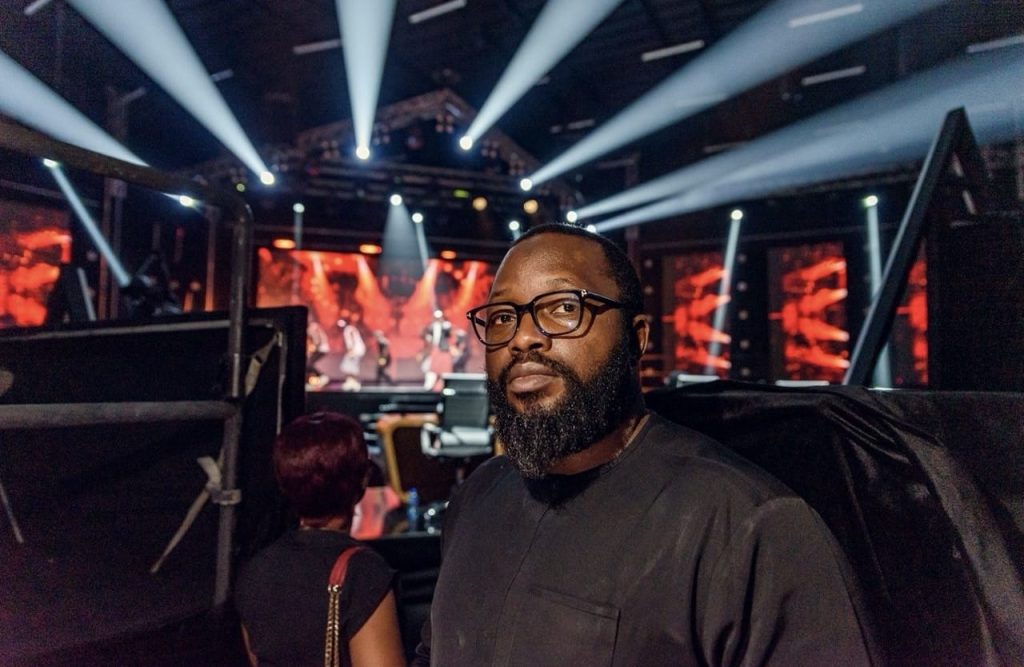
Among those figures is Dr. Sulaiman Kassim, a multi-award-winning Executive Producer and media executive whose work has contributed to some of Africa’s most influential television formats over the past two decades.
Through productions such as Nigerian Idol and collaborations across major African networks including MultiChoice Group, Kassim has helped build platforms that extend far beyond the television screen.
For many viewers, reality television appears simple: contestants compete, audiences vote, and new stars emerge. But the true impact often unfolds off camera. Shows like Nigerian Idol have served as launchpads for musicians who go on to shape the continent’s music industry. They have created opportunities for writers, directors, editors, designers, choreographers, and producers; many of whom enter the industry through these large-scale productions. The ripple effects reach even further.
When a successful entertainment format is produced locally, it generates an entire ecosystem of economic activity: technical crews, studios, marketing teams, event organizers, and creative entrepreneurs. The result is a network of professionals whose livelihoods are tied to the growth of cultural industries.
For Kassim, this potential was clear long before the global spotlight turned toward African culture. “Media is often underestimated,” he says. “But when you build the right platforms, it becomes a catalyst for opportunity.”
That philosophy shaped his approach to production. Rather than viewing television purely as content creation, he approached it as a system; one capable of developing talent, building careers, and strengthening the creative economy. Over time, that system produced tangible results. Many artists who first gained exposure through reality television formats have gone on to become influential voices in African music and entertainment. Meanwhile, the crews working behind the scenes developed the technical and managerial expertise needed to support an industry that now operates on an international stage.
The timing could not be more significant. Across the globe, audiences are increasingly drawn to African stories and creative voices. Streaming platforms and international studios are investing heavily in the continent’s cultural output, recognising both its creative richness and its rapidly growing audience. This surge of interest has created new opportunities, but also new responsibilities. To sustain the momentum, Africa’s creative industries must continue developing the talent, infrastructure, and leadership required to compete globally.
For Kassim, that challenge has shaped the next phase of his work. Beyond television, he has begun investing in initiatives designed to support entrepreneurs and creators across the broader creative and business landscape — including through his venture platform TEN Works. The goal is to help founders build companies that can participate in and shape the next chapter of Africa’s economic growth.
The connection between culture and entrepreneurship, he believes, is increasingly inseparable.
Creative industries generate ideas, influence global perception, and inspire new forms of innovation. At the same time, entrepreneurs provide the systems and platforms that allow those ideas to scale. “Africa’s future will be built by people who understand both creativity and business,” Kassim says.
Seen through that lens, entertainment becomes something far more significant than a source of leisure. It becomes a driver of cultural confidence, economic activity, and international influence. And the platforms that enable it; whether television shows, digital networks, or creative ventures, become part of the infrastructure supporting that growth.
For leaders like Kassim, the mission has never been only about producing successful shows. It has been about helping build the ecosystem where Africa’s stories, talent, and entrepreneurs can thrive.
Because when culture grows, opportunity follows. And when opportunity spreads widely enough, it reshapes entire industries, and sometimes even the narrative of a continent.