

Across London Fashion Week SS26, where designers often compete for attention with oversized themes and high-energy theatrics, ITELE’s FREEDOM Collection stood out for a very different reason.
Instead of overwhelming the audience with spectacle, designer Seyi Agboola took a quieter, more intentional approach. He presented a full footwear collection that used clear storytelling, honest craftsmanship, and confident minimalism to make its point. And the risk paid off.

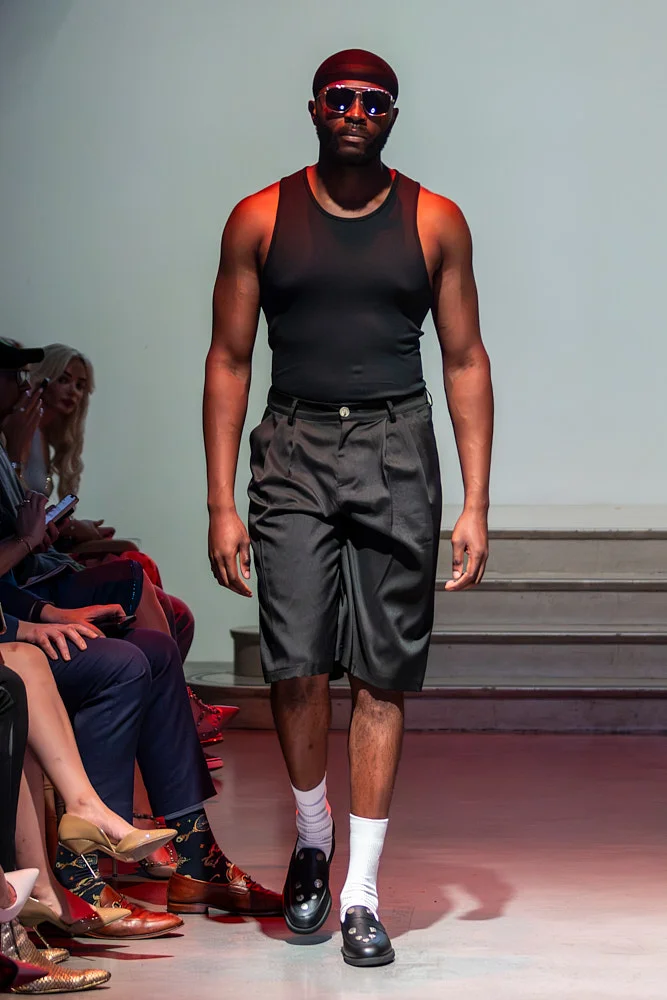
When guests first saw the show notes and realized a footwear brand was taking a solo runway slot, the reaction was mixed curiosity and skepticism. Several members of the press quietly wondered how a collection built around penny loafers could hold an entire runway presentation. But once the show began with each model walking out in a simple uniform of a tank top and tailored shorts, the intention became obvious. Every outfit was stripped down to the bare essentials so that the audience’s eyes went exactly where Agboola wanted them: the shoes.

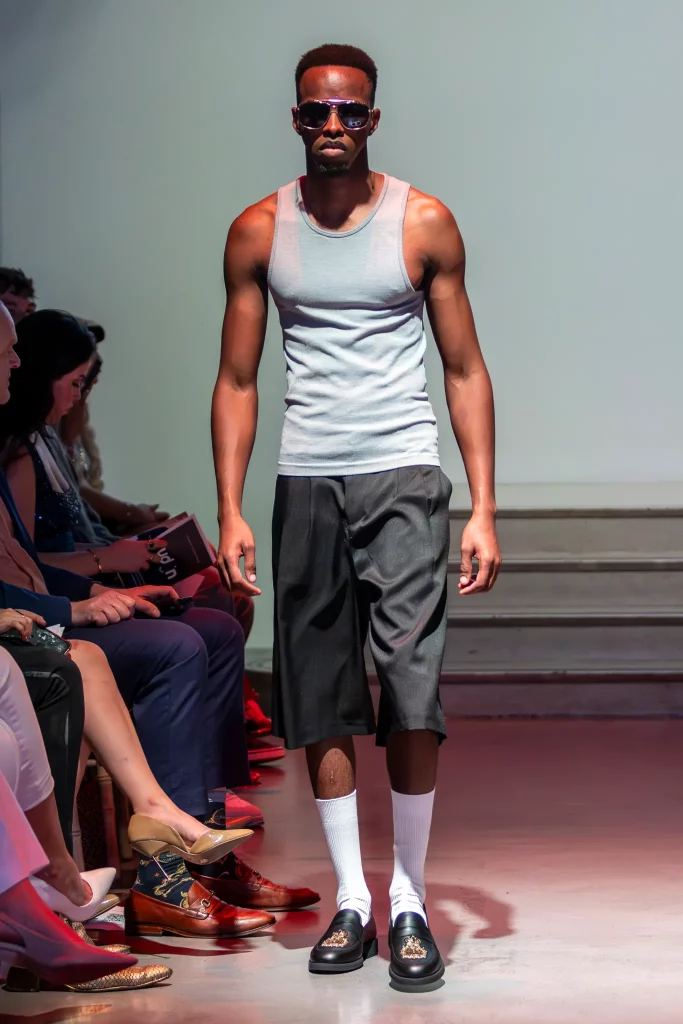
The FREEDOM Collection is built around three main motifs, THE BILL, THE HIVE, and BUTTONS, each presented on a classic penny loafer silhouette. The upper is crafted from full-grain leather, and the lining is also 100% leather, giving the shoes a structured but soft fit. The outsole is made from Gumlite, a lightweight blend of rubber and EVA that offers durability without heaviness.
Each pair uses cement construction, a detail that reflects the brand’s desire for longevity rather than seasonal disposability. The loafers are finished with dense embroidered detailing and zinc alloy button accents, depending on the style.
But what elevates the FREEDOM Collection beyond technical skill is its narrative clarity. Seyi did not hide behind vague inspiration. Instead, he stated clearly that the collection reflects Nigeria’s journey from colonial rule to modern independence, using the language of symbols and the discipline of footwear craftsmanship.
THE BILL is the most direct interpretation of this story. Embroidered pound and dollar notes appear across the upper, creating a design that feels confident but controlled. It could have easily tipped into costume design, but Seyi avoids that by keeping the layout structured and the leather clean. The shoe speaks about economic pressure and reclaimed power without shouting. On the runway, THE BILL was the pair that caught the immediate flashes of photographers, bold enough for impact, but polished enough to avoid gimmickry.
THE HIVE offers a different tone, gentler, more rhythmic, and deeply tied to community. The delicate bee embroidery runs across the loafer with a flow that suggests movement without clutter. Many guests later commented that this motif felt the most “complete,” as if the symbolism and the design were working in perfect balance. The HIVE proved that Seyi understands that strong storytelling does not need exaggeration; sometimes it just needs consistency and respect for form.
BUTTONS, on the other hand, plays with a quieter sense of luxury. The zinc alloy button detailing gives the shoe a refined, almost architectural touch. This motif shifts the narrative toward ideas of abundance, self-reliance, and the simplicity of modern success. On the runway, BUTTONS read as the most versatile, the kind of loafer that could be styled for work, evening, or weekend, without losing the identity of the collection.
What made the showcase memorable, though, was how Seyi shaped the entire presentation around the shoes. The clean styling, the slow, steady pacing of the models, and the minimal set design created a focused environment where the audience had no choice but to engage with the craftsmanship and meaning.
By the end of the show, the initial curiosity about “how a footwear-only runway could work” had completely disappeared. Instead, the room buzzed with comments about storytelling, technique, and cultural grounding. Seyi didn’t just show shoes; he built a conversation around them.

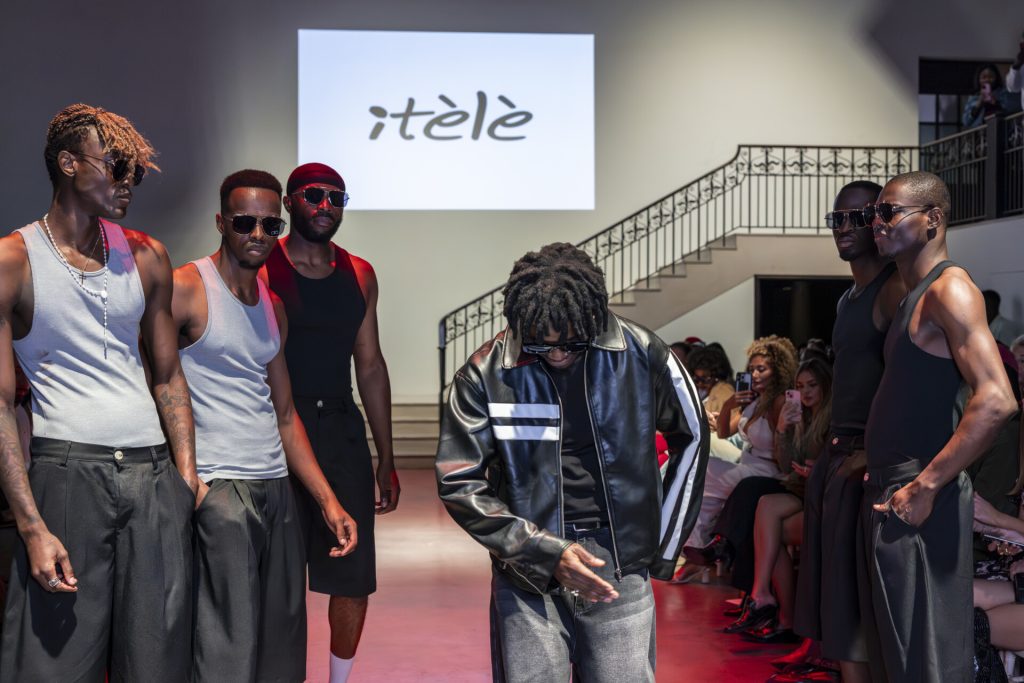
The FREEDOM Collection marks a defining moment for ITELE. It proves that footwear can take center stage at fashion week, not by imitating ready-to-wear, but by presenting craft with honesty and intention. It shows a young designer stepping into his voice, grounding his work in heritage while pushing toward a more modern, narrative driven vision of African luxury.