

Nigeria is a country blessed with rich cultural diversity, and the Ibibio people, predominantly found in Akwa Ibom State, stand out as one of the oldest and most culturally profound ethnic groups in West Africa. Known for their artistic expressions, deep-rooted traditions, and strong communal heritage, the Ibibio culture continues to thrive in modern times while preserving its historical essence.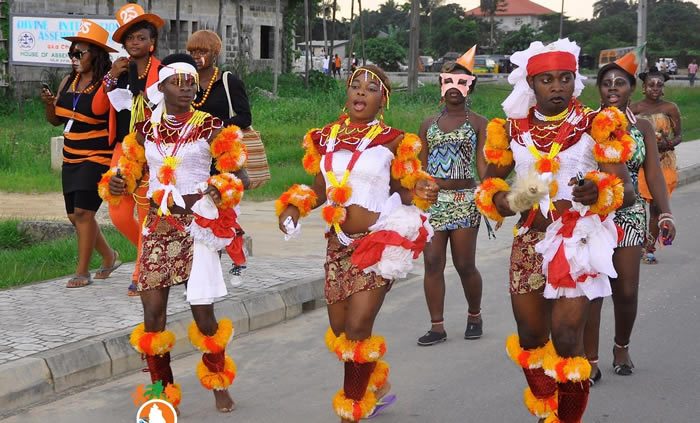

The Efik, Annang, Oron, Ekid, and Ibeno are closely related to the Ibibio, sharing similar cultures and traditions and speaking dialects that are mutually intelligible. This structure promotes unity while celebrating diversity within the ethnic groups.


Now, let’s delve into more fascinating facts about the Ibibio culture:
- One of the Oldest Ethnic Groups in Nigeria
The Ibibio people are believed to have existed in their current geographical location long before many other Nigerian ethnic groups. Oral history and anthropological studies suggest that their lineage dates back several centuries, making them one of the earliest groups to settle in the coastal regions of Southern Nigeria. Their long existence has contributed to the richness and preservation of their language, customs, and belief systems. - A Society Rich in Masks and Mysticism
Ibibio culture is widely known for its elaborate masks, particularly associated with the Ekpo masquerade. These masks, often carved with powerful facial expressions, represent ancestral spirits and are used during festivals, funerals, and initiation ceremonies. The Ekpo masquerade serves as a symbol of authority, spiritual protection, and a link between the living and the ancestors, reinforcing moral discipline in the community. - A Deeply Symbolic Naming Tradition
Names in Ibibio culture are more than just identifiers, they carry stories and reflect personal or family experiences. Many Ibibio names are linked to faith, circumstances of birth, gratitude to God, or aspirations for the child. For example, names like Mfoniso (God’s goodness) and Aniebiet (Who knows tomorrow?) reveal the philosophical and spiritual values embedded in their society. - A Unique Marriage and Bride Price Tradition
Marriage in Ibibio land is regarded as a sacred union not only between two individuals but between families. The bride price tradition, commonly referred to as “Ndoho”, is symbolic rather than commercial. It reflects appreciation to the bride’s family and establishes a respectful bond between families. Traditional marriage ceremonies are often colourful celebrations featuring music, dance, and cultural rites honouring both families’ heritage. A notable ceremony is Awa Ison, where the bride is adorned in traditional regalia and publicly presented as a symbol of dignity and beauty. - Celebrated for Their Vibrant Cuisine
Ibibio cuisine is both diverse and flavourful, deeply influenced by coastal resources and agricultural practices. Dishes like Edikang Ikong, Afang Soup, and Atama Soup are not only popular within Nigeria but have gained admiration globally for their nutritional richness and taste. Palm wine, fresh seafood, and a wide range of vegetables feature prominently in their culinary style — making dining an important part of their cultural identity. - Art, Carving, and Craftsmanship
Art in Ibibio culture is symbolic and spiritual — especially wood carvings used in shrines and masquerades. Artisans create expressive masks, sculptures, and totems that reflect social status, ancestral power, and historical events. Their artistic heritage is admired globally for detail and cultural storytelling. - Honouring Life Beyond Death
Death among the Ibibio is viewed as a transition, not an end. Funerals celebrate a person’s achievements and ensure safe passage into the ancestral realm. Music, dance, and rituals accompany burials, especially for elders who lived with dignity and service to the community.
Despite modernization, the Ibibio people continue to celebrate their heritage through festivals, storytelling, and cultural institutions that teach younger generations about their roots. From their spiritual practices and artistic expressions to their food and family values, the Ibibio remain an embodiment of Nigeria’s cultural wealth.