


By Yemisi Suleiman
In an industry where being seen is usually what makes something valuable, some designers use a different measure of success. Over the years Aforlyn Unwuchola has built Everytindenim, she has focused on refinement instead of coming up with new ideas quickly.

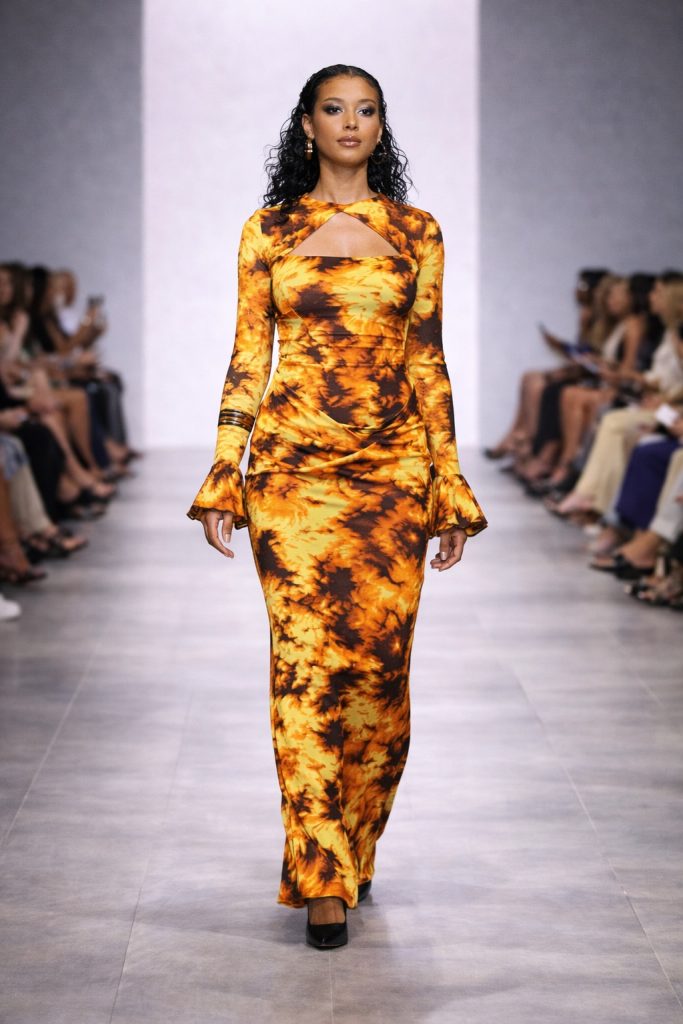
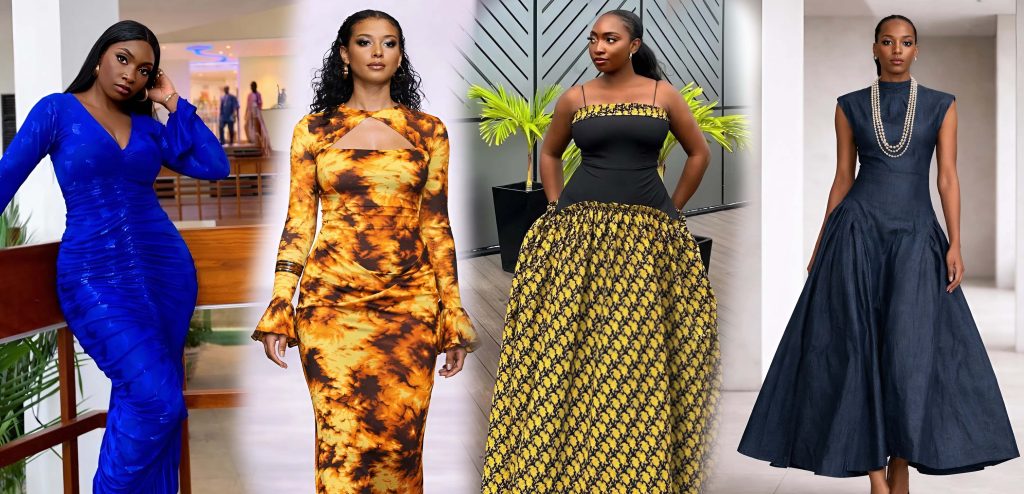
Streetwear served as a source of inspiration for many emerging brands in 2018, including Everytindenim. It is not the point of origin that distinguishes its trajectory; rather, it is the manner in which it continues to proceed. Aforlyn’s design concepts have evolved from a more general approach to a more specific emphasis on proportion, structure, and fit.
This shift shows that the designer is aware of current trends and is not following them. Aforlyn has decided to make a small number of silhouettes and enhance them over time instead of always coming up with fresh visual ideas. Instead of changes happening at certain times of the year, the body of work shows steady improvement.
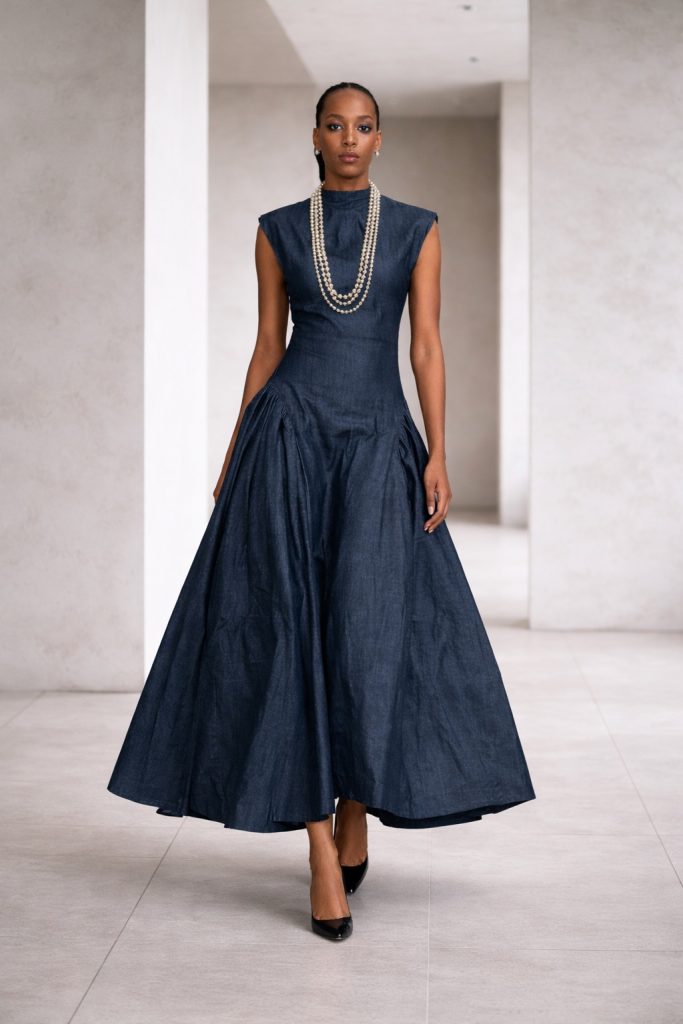
Recent garments show a clearer internal rationale. Lengths are consistent, the waist placement is more stable, and the choices used in construction seem more functional than decorative. These changes suggest that designers are becoming more aware of how clothing fits, how it looks, how it wears over time, and how it may be accurately replicated.
This method makes execution more important. When you use restricted details, it’s challenging to cover faults in the construction or fit. The brand’s focus on control makes its work more susceptible to criticism. This implies that technical precision is not an option; it is a must.

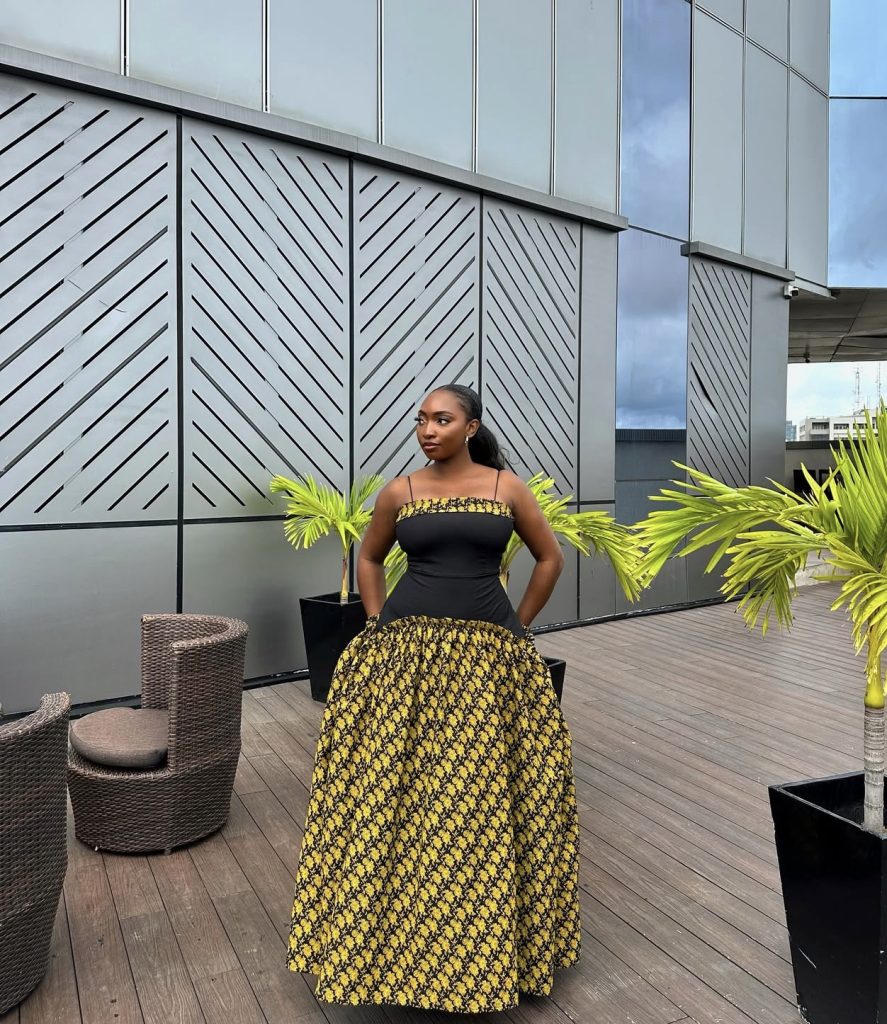
In addition, Aforlyn’s work addresses a challenge that a great number of Nigerian designers are confronted with: the question of how to create structured garments that are comfortable in a hot climate. Rather than disposing of the edifice entirely, she makes modifications to it. Panelling, fabric treatment, and positioning are utilised with great care to ensure that garments maintain their shape while allowing for comfort and movement. The technical sensitivity of the brand is appealing to individuals who are concerned with both the design and the comfort of the product.

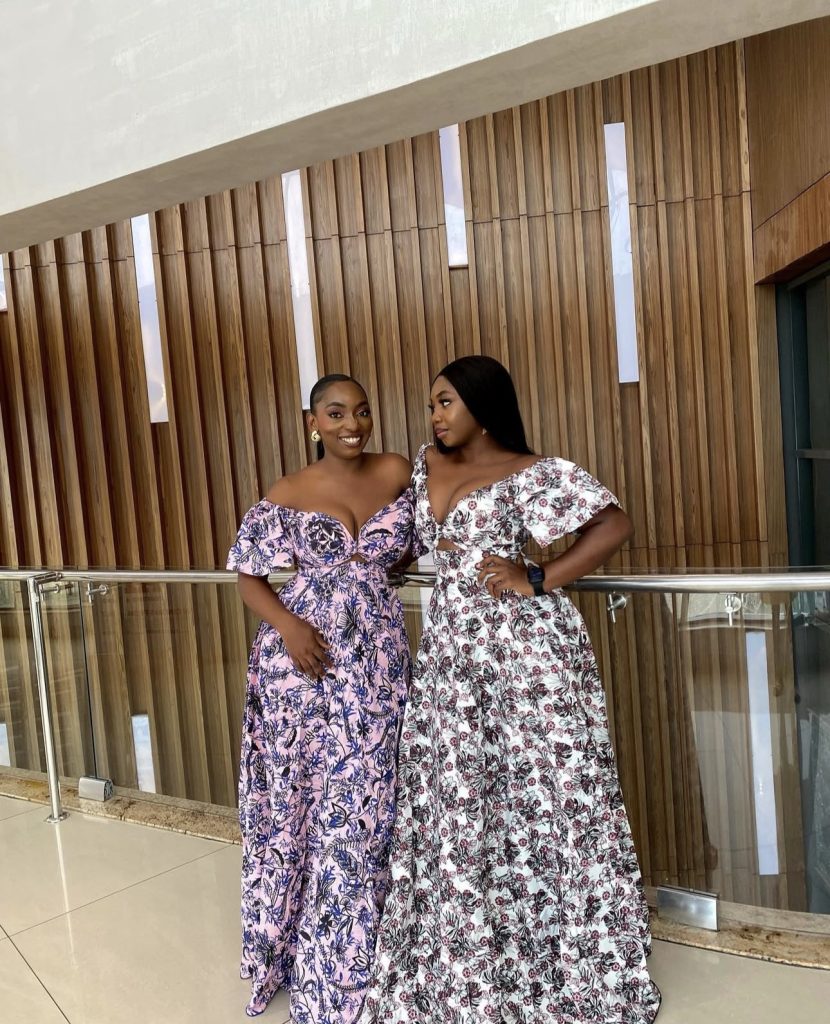
One of the most significant aspects of the work is that it does not contain any visible references to any particular culture. African identity is not based on patterns that are easily identifiable; rather, it is ingrained in the manner in which people behave and are viewed. The purpose of these garments is not to make cultural statements that are intended to be observed by other people; rather, they are intended to be worn as modern wardrobes.

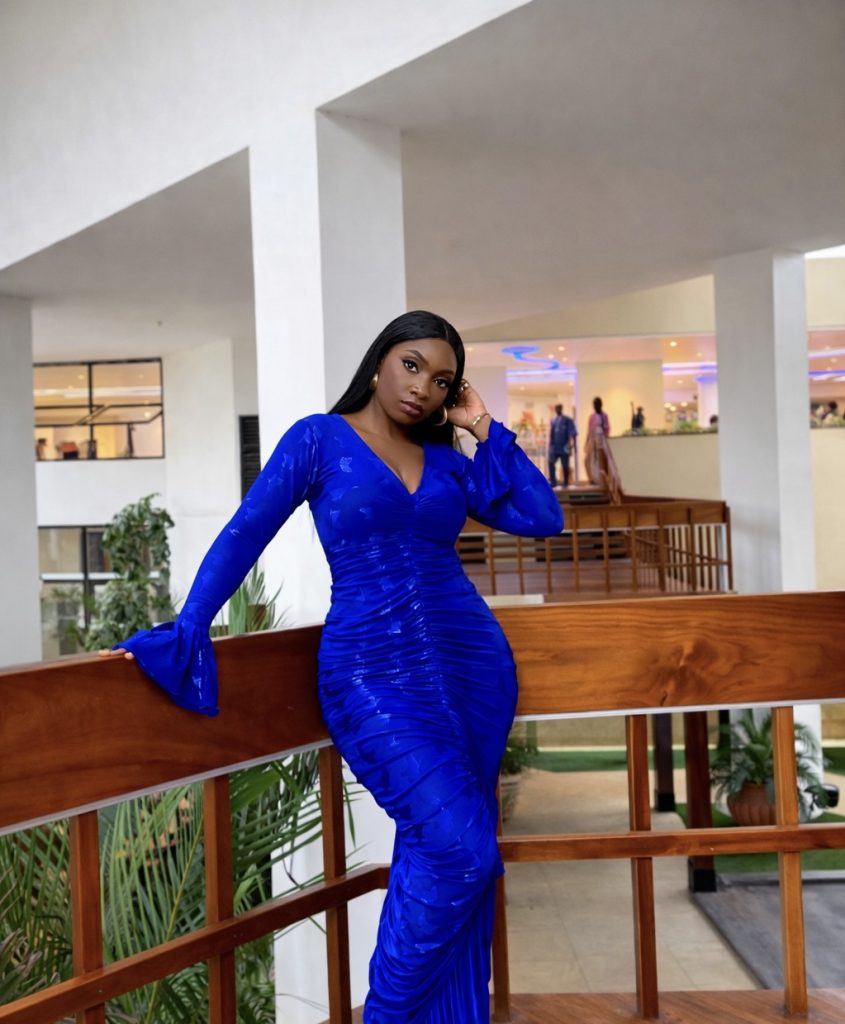
Despite the fact that Everytindenim is getting closer and closer to its eighth year, it is no longer precisely classified as an “emerging” platform. Its expansion demonstrates that a designer is transitioning from experimenting with different things to doing them professionally, which is evaluated based on consistency, judgement, and the ability to produce results that are repeatable, rather than simply how noticeable they are.
Instead of focusing on how frequently a designer reinvents themselves, progress is evaluated by how successfully they learn to maintain and improve a clear design language over time. This is a different way of looking at things in the fashion industry, which frequently places a high value on quick outcomes. Aforlyn’s work offers a new perspective on the matter.