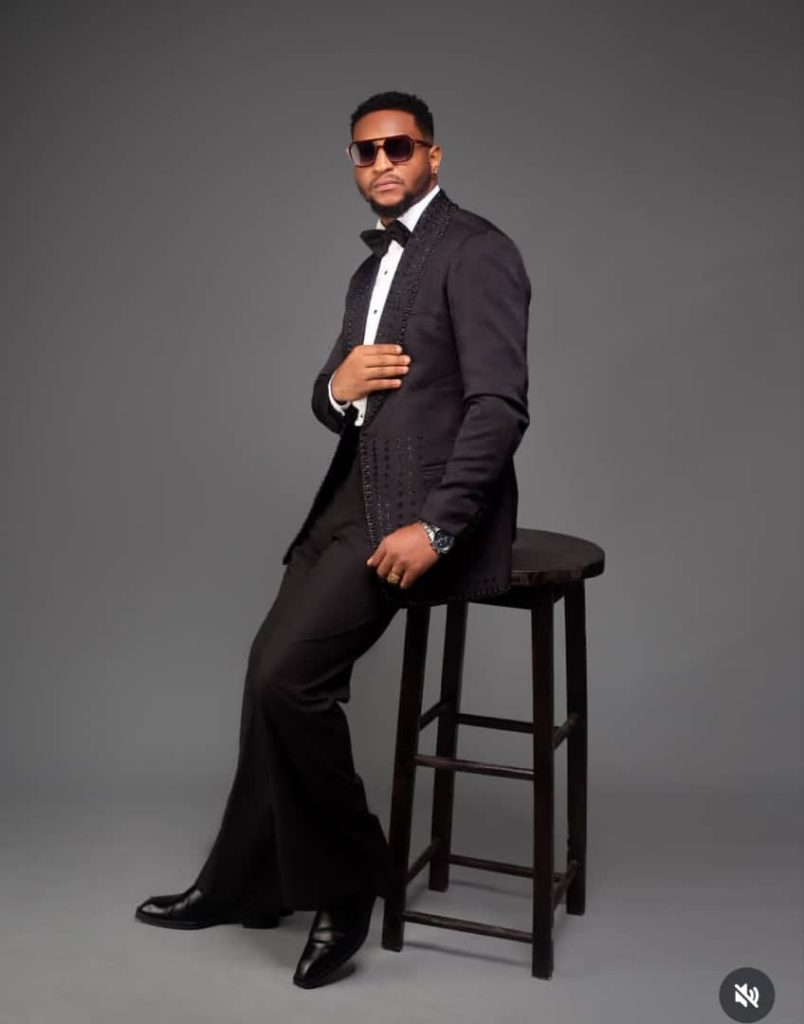
By Jemi Ekunkunbor
The desire to look confident, professional, powerful, to exude authority, and to be respected are some of the reasons why men wear suits, more so because a properly fitted suit feels like a natural extension of the body. Associated with success and leadership, a well-tailored suit enhances the body’s shape, which many people find attractive.


However, if a suit is characterized by a “droopy,” “baggy,” or “1990s” look, with shoulder seams extending beyond where your shoulders naturally curve, it is most likely that your suit is too large.
Here are key indicators that your suit is too large:

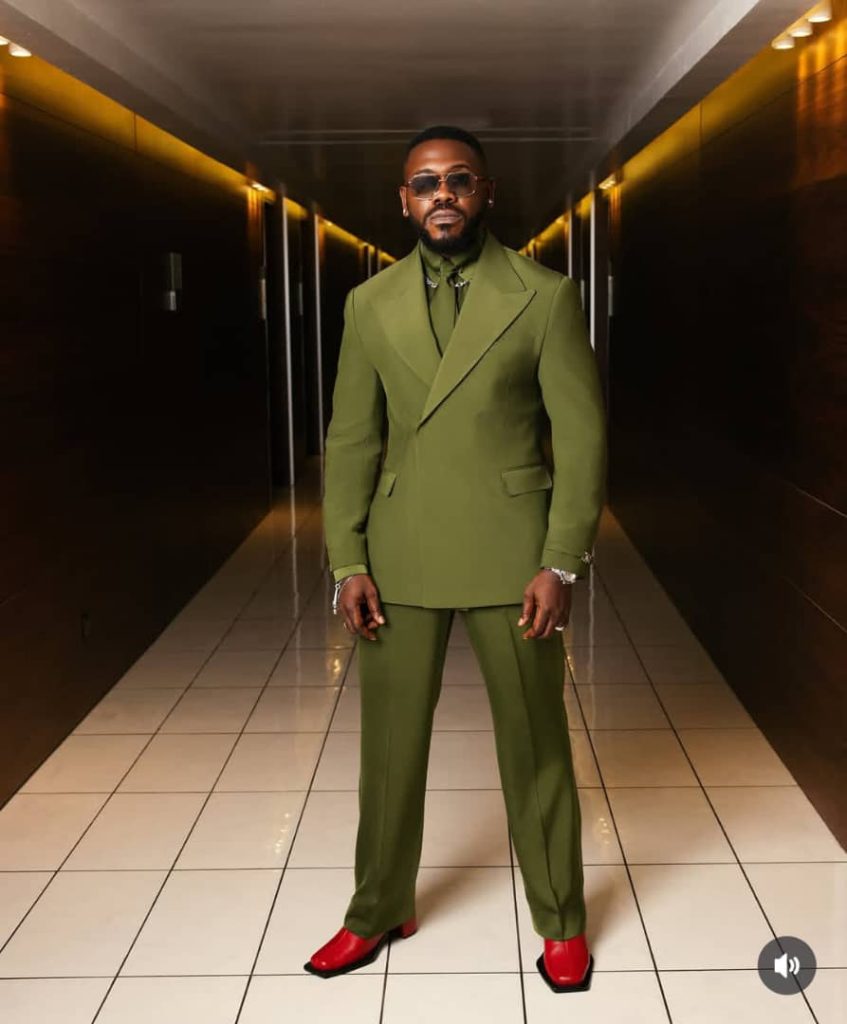
★ Shoulders: The shoulder seam should end where your shoulder naturally curves. If the shoulder pads extend beyond your natural shoulder line or cause a “divot” or indent in the upper sleeve, the suit is too big.
★ Collar: The back of the jacket collar should rest neatly against your dress shirt collar. If fabric bunches up, creates horizontal folds under the collar behind the neck, or leaves a gap, it indicates that the suit is too large.
★ Sleeve Length: Sleeves should end at your wrist bone, allowing about half an inch of shirt cuff to show. If no dress shirt cuff is visible and your knuckles are not showing, your jacket is swallowing your arm—an indication that your sleeves are too long.
★ Chest: The chest or front of the jacket should not sag. Rather, it should rest neatly against your body. If the jacket bunches or gaps when buttoned, it is too loose in the torso.
★ Jacket Length: The hem of a well-fitted jacket should cover your seat. If it extends far below your rear end, making your legs look shorter, it is likely too long.
★ Pants: The trousers should fit smoothly around your waist without requiring excessive tightening from a belt, and they should not bunch up around your shoes.