By Jemi Ekunkunbor
Over two decades ago, when socialite and philanthropist Modupe Ozolua introduced Nigerians to cosmetic surgery after undergoing a breast enhancement procedure to increase her cup size to a DD, one of the reasons she used to justify body enhancement was a rhetorical question she often asked: “How many women can stand naked in front of a mirror and say they like what they see?”
This reflection confirms a stark reality: nobody is perfect. Indeed, no one is. Humans come with flaws — too fat, too slim, big buttocks, flat buttocks, flappy ears, thick lips, protruding stomachs, sagging breasts, broad noses, poorly arranged dentition, laugh lines, brow creases, and more.
For years, men and women lived with these flaws until they realised that imperfections could be altered or recreated through various, often expensive, cosmetic procedures.
There is the story of a customs officer whose massive nose stood out prominently on his face. Its size made him easily recognisable. While others got away with offences, a simple description of him as “the officer with the big nose” immediately revealed his identity. There was no hiding place for him until he opted for cosmetic surgery to alter his appearance.
While some may sympathise with such a case, many who go under the knife do so for vanity. For generations, people lived with their flaws — until the advent of social media.
The constant flaunting of near-perfect, filter-enhanced images has created unease among people dissatisfied with their natural appearance. Nigerians have joined the fray, travelling to medical destinations around the globe for expensive procedures to achieve their desired look. This is not gender-specific; both men and women are involved.
In 2024, the global cosmetic surgery market was valued at approximately US$56.94 billion and is projected to grow to US$76.77 billion by 2032. In 2022, the International Society of Aesthetic Plastic Surgery (ISAPS) reported over 14.9 million surgical and 18.8 million non-surgical procedures globally.
The figure rose by about 3.4% in 2023, reaching roughly 34.9 million aesthetic procedures worldwide. Another report forecasts the market could reach US$204.9 billion by 2033, with a compound annual growth rate (CAGR) of about 9.2% between 2025 and 2033.
American aesthetic consultant, author and television personality Cindy Jackson holds the world record for undergoing the most cosmetic surgery procedures by one individual. Dr. Jeffrey Spiegel and Dr. George Sanders revealed that she has had 52 surgeries in her quest to align her physical features with what she describes as her “young spirit,” including facelifts, rhinoplasty and liposuction.
Sadly, social media is not a space where flaws are easily tolerated. Viewers gravitate towards celebrities whose appearances are visually appealing. Before posting, many celebrities curate photos and videos designed to delight the eye, stir emotions and capture attention. These unrealistic beauty standards are promoted across platforms through filters, photo-editing apps and AI tools that create illusions of flawless skin, slimmer bodies and whiter teeth — standards rarely attainable in real life.
In January last year, Nigerian comic skit maker and content creator Aloma Isaac Junior, popularly known as Zicsaloma, travelled to Turkey for rhinoplasty. In a YouTube video shared after the surgery, he said his decision stemmed from a long-standing desire to alter what had bothered him since childhood — his flat nose. He admitted it was purely for aesthetic reasons. He also underwent a minor eye lift during the procedure.
In May 2025, Nollywood actress Uche Ogbodo, with the support of her husband, had a “mummy makeover” (tummy tuck). Pleased with the results, she later returned for a second procedure — Liposuction 360 — to enhance her buttocks.
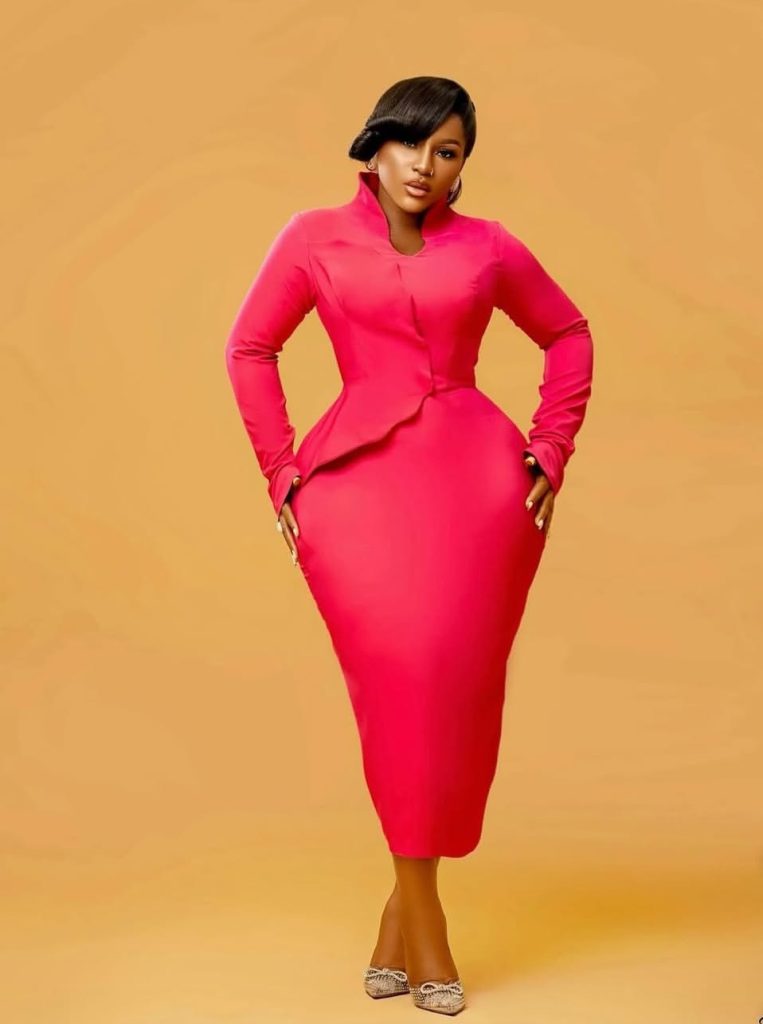
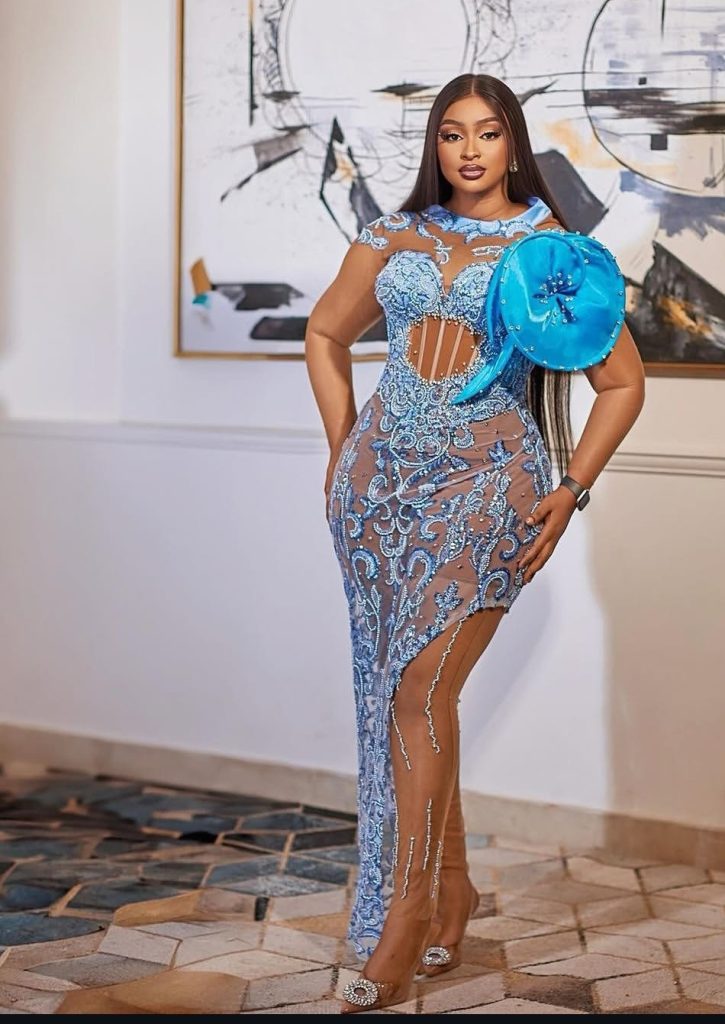
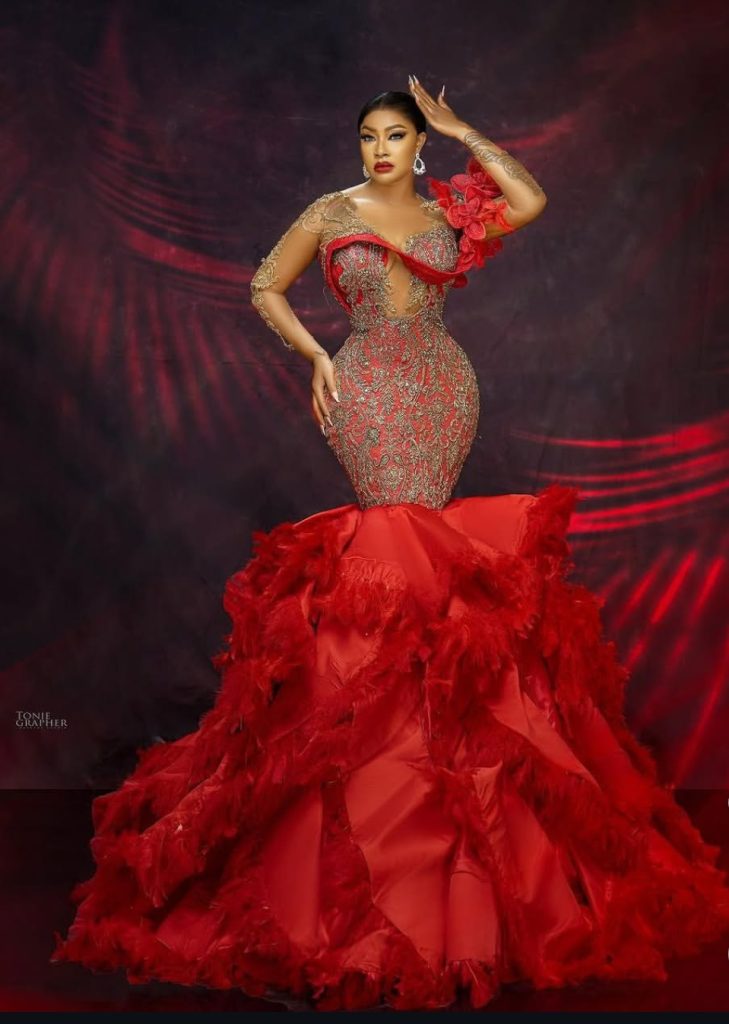
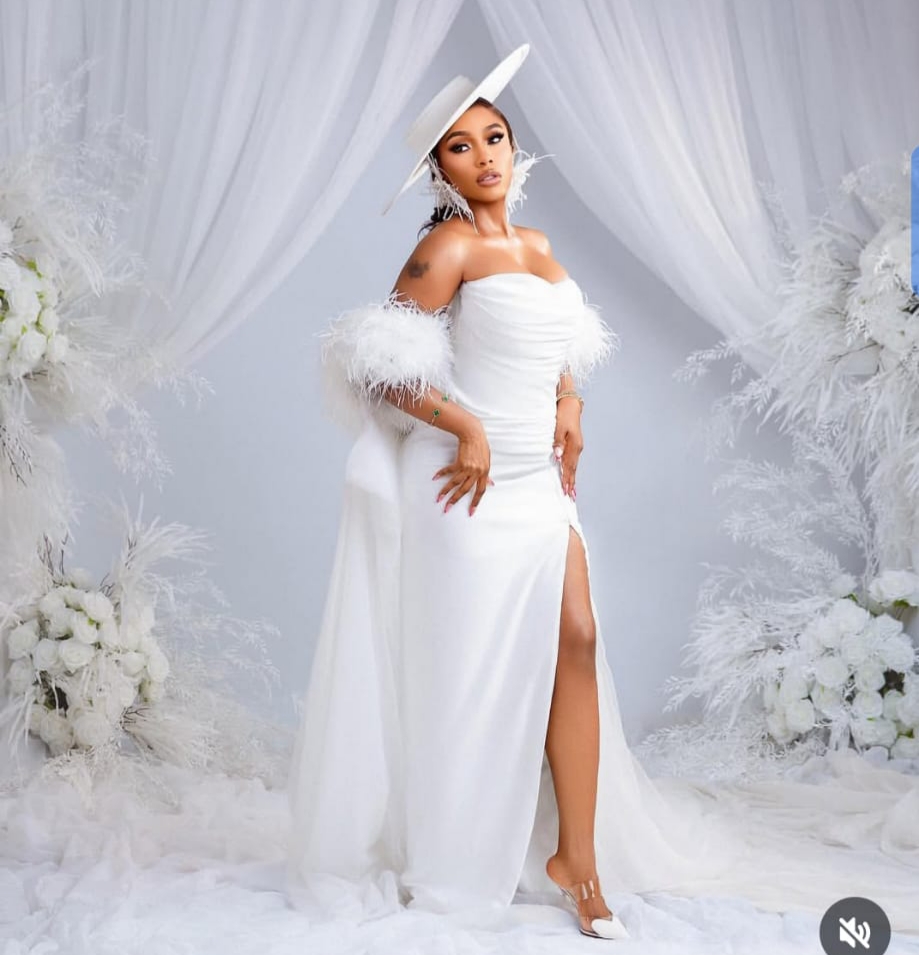
Butt enhancement, popularly dubbed “yansh” in Nigeria, is currently trending. Several celebrities who have undergone the procedure flaunt their enhanced bodies on social media. Media personality Toke Makinwa, actresses Tonto Dikeh, Destiny Etiko, Angela Okorie, and Big Brother Naija Season 4 winner Mercy Eke are among those associated with such enhancements.
As influencers, many of them project effortless beauty. Yet, as more people are discovering, these looks often result from professional styling, cosmetic procedures and luxury beauty treatments. This relentless portrayal of perfection can leave followers feeling inadequate or pressured to replicate similar looks.
Consultant psychiatrist and mental health advocate and Allure’s Your Mental Health and You columnist, Dr. Gbonjubola Abiri believes the pursuit of perfection reflects deeper internal struggles, especially in the age of social and new media. Childhood experiences marked by excessive criticism can drive individuals to use perfection as armour, presenting themselves as flawless to avoid further judgement. According to her, many people tie their self-worth to their appearance, outsourcing their esteem to likes, comments and online validation. Unfortunately, the demand to appear perfect at all times comes at a cost.
Not long ago, Vivian Chinelo Muomah, a TikToker known as BigButFitney, who was popular for her fitness content, faced severe online bullying over her weight and health after she shared her struggles with fibroids that caused abdominal distension. She passed away in July following surgery. Some reports alleged it was a cosmetic procedure to address her tummy. Her death shocked many fans and triggered an outpouring of tributes — ironically from some who had previously bullied her.
While some turn to cosmetic surgery for quick fixes, not everyone survives the process. The story of Nigeria’s former First Lady, the late Mrs Stella Obasanjo, who died following a tummy tuck ahead of her 60th birthday, remains a sobering reminder.
“It’s okay to have flaws,” says Dr. Abiri, adding, “Even broken crayons still colour.”
Changes to the body should be rooted in self-awareness, not viral trends. Beauty should not be defined solely by appearance, but by what is healthy, sustainable and authentic in the long run.
Use of Social Media
Users must resist the pressure to look a certain way. What we often see online is unrealistic and may not suit the average person. As Dr. Abiri puts it, “Social media is a stage; it’s a performance. Much of what we see is performative and does not reflect the full human experience.”
Nature’s beauty lies in its diversity. No two individuals look exactly alike — not even identical twins. Natural differences should be celebrated, and the culture of comparison discouraged; otherwise, more people will struggle with poor self-esteem.
The more users compare themselves to near-perfect online images, the stronger the urge to alter their appearance.
Dr. Abiri suggests normalising imperfection publicly. Celebrities, instead of always appearing flawless, could dismantle the illusion of constant success by occasionally sharing bad days, unfiltered photos or setbacks.
“Another way of showing imperfection is to reveal behind-the-scenes realities. Instead of posting only perfect graduations or weddings, share the sleepless nights, the stress of planning and failed attempts. Help people understand that the brain naturally engages in social comparison,” she explains.
The Role of the Cosmetic Industry
The cosmetic industry’s contribution to the obsession with perfection cannot be ignored. Many companies profit from the insecurities of men and women.
In the celebrity worlds of TikTok and Instagram, appearance and lifestyle are constantly scrutinised. Social and commercial value is often tied to endorsement deals, brand partnerships and acting roles — all linked to perceived perfection.
Modern culture promotes hyper-curated lives and sculpted bodies. From Hollywood’s Kim Kardashian to Nollywood’s stars, image management is part of the business model.
For those watching and becoming consumed by the pursuit of perfection, one truth remains: nobody can truly be perfect. And if the heat of social media becomes overwhelming, sometimes the healthiest choice is to step away.