

By Josephine Agbonkhese
Climate change is taking its toll on every aspect of human life today. The heat has become so intense that you calculate every step before leaving the house — checking the time, grabbing an umbrella even when the sky looks clear, and wondering if it’s safe to wear that makeup or that silk dress. Seasons have reversed, with heavy rainfall now pouring during what was once the dry Harmattan period, while the sun scorches more intensely and for longer periods.

Flooded streets, rising sea levels, and unpredictable weather patterns are our daily reality. Everyone has a role to play in saving our world, and it starts right where you live. Creating a zero-waste home is one of the most powerful, personal, and practical ways to fight back.
Kitchen Revolution
The kitchen, often the busiest and most wasteful part of any home, offers the perfect starting point for transformation. Instead of relying on endless plastic bags, carry along foldable baskets or sturdy jute bags to the market. Buy staples like rice, beans, garri, and spices in bulk and store them in glass jars or stainless steel containers. Vegetable peels, eggshells, and fruit scraps should be turned into rich compost. These can later serve as nourishments for those vegetables and herbs planted in your balconies. Single-use plastics should be replaced by beeswax wraps.
Sustainable Cleaning and Personal Care
Sustainable cleaning and personal care has become easier and more affordable. Ditch harsh chemical cleaners in favour of natural alternatives made from vinegar, baking soda, lemon, and local black soap. Bar soaps and shampoo bars can perfectly replace plastic bottles, while washable makeup pads are helping women reduce waste and save money every month.
Mindful Consumption and Upcycling
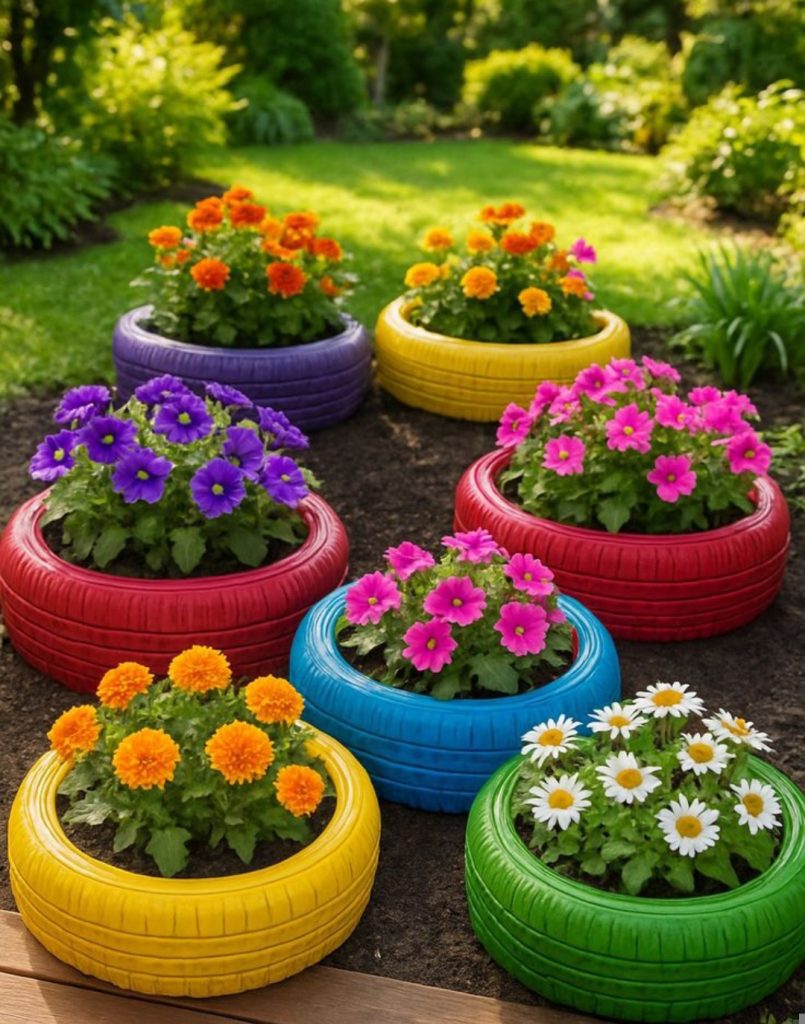
Mindful consumption is slowly changing how people shop and live. Before buying anything new, pause and ask yourself whether you truly need the item. Practice the art of upcycling old clothes into cleaning rags and transforming old tyres into stylish garden planters. Repair items before replacing; that also supports local tailors and artisans. Have you noticed that second-hand furniture and decor sourced from family hand-me-downs or trusted thrift pages now fill many homes instead of adding to landfills?
Energy and Water Wisdom
Just in case you haven’t noticed, many families are switching to energy-efficient bulbs, unplugging appliances when not in use, and investing in affordable solar lights and fans. Rainwater harvesting systems, even simple drums with filters, help capture the heavy downpours for household use. Leaks are fixed immediately, and the traditional “bucket bath” is done more intentionally, using only the water that is truly needed.
Smart Waste Sorting System
Finally, creating a simple waste-sorting system brings everything together. Most zero-waste homes now keep three separate bins — one for recyclables that can be sold to local waste collectors, one for compost, and one for the small amount of residual waste that cannot yet be avoided. Within weeks, families notice their main dustbin shrinking dramatically, bringing a deep sense of satisfaction and control.