


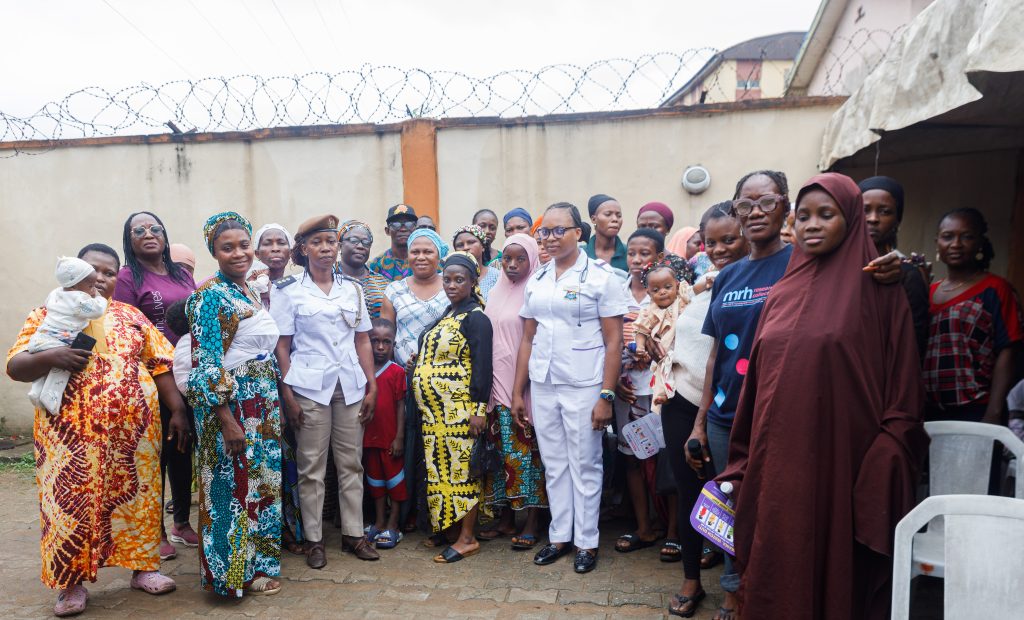
The second phase of the community-based outreach by the Maternal Reproductive Health (MRH) Research Collective, a non-governmental organisation, has begun in Lagos with a charge to expectant mothers not to leave childbirth to chance.
Rather, they should register early for antenatal care for skilled healthcare and proper monitoring to ensure safe and successful deliveries.
This charge was given by health workers and speakers while addressing vulnerable women through the organisation’s MamaBase Intervention.
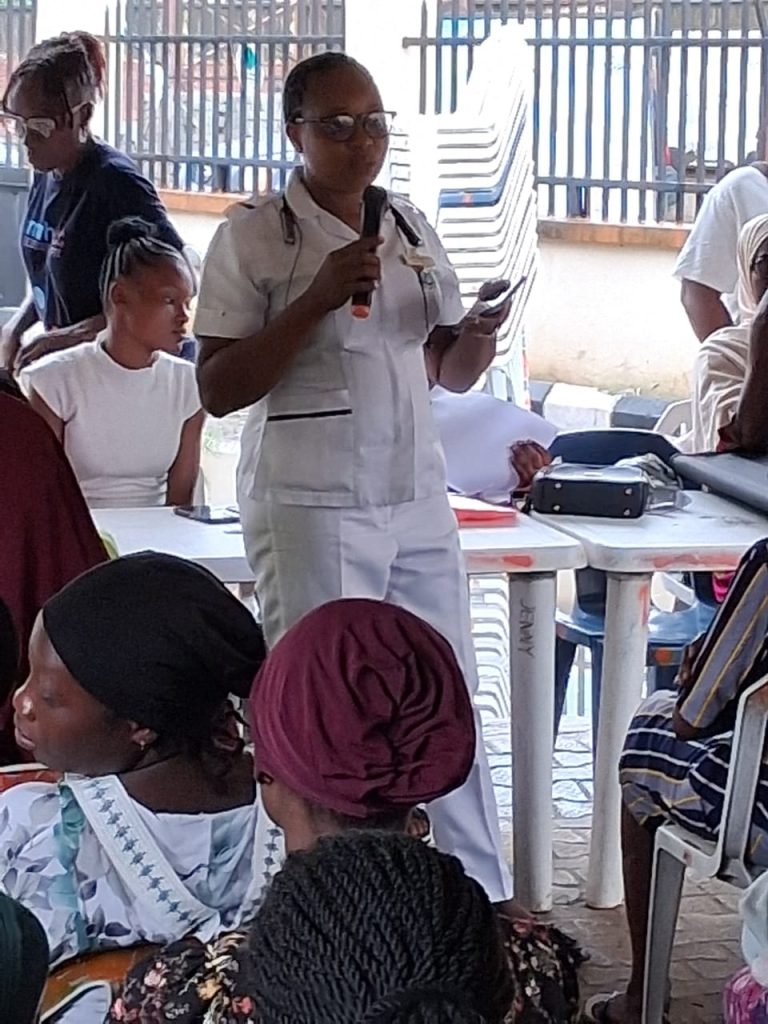
Addressing a gathering of pregnant women; women of child bearing age, grandmothers and men, at a community sensitisation programme at the Igbo-Owu Primary Healthcare Centre, Mushin on Wednesday, Nurse Akanni Opeadura, Officer-in-Charge (OIC), educated the women on important preparations to be made by pregnant women to include attending all antenatal clinic days, taking note of danger signs so they can report it to their doctors and the need to get adequate support system.
Other necessary preparations include: “Readiness for blood donation, saving money little by little, and creating a bond with people in the community in case one may need their help.”
Similarly, Atinuke Adenekan, Community Maternal Health Coordinator for MRH Collective, urged community members to encourage pregnant women to register for antenatal care, stressing that complications during pregnancy and childbirth can occur unexpectedly.
Adenekan warned against relying on outdated childbirth practices or unqualified birth attendants.
She emphasised that seeking skilled healthcare during pregnancy remains one of the most effective ways to prevent avoidable deaths and complications.
“Pregnancy and childbirth should not be left to chance. You should not simply tell your daughter to deliver wherever you delivered many years ago.
“Please stop risking your lives. Some people complain that nurses may be rude or unfriendly.
“The reason we have gathered everyone here today, including pregnant women, men, and women of childbearing age, is because we want you to become advocates in your communities. When you see a pregnant woman who is not doing the right thing, you should be able to advise her. If you see a pregnant woman who has not registered at a health facility, encourage her to do so,” Adenekan said.
Speaking on how beneficiaries are located and assistance given to them, Josephine Taiwo Igoluba, Mushin Local Government Area Coordinator for MamaBase, said that women in the community contact the organisation directly.
According to her, Community Health Extension Workers (CHEWs) go into communities to identify vulnerable women, particularly pregnant women who are unable to afford healthcare services such as registration and medical tests.
“These women are then interviewed to understand their circumstances. They are then encouraged to attend antenatal care, assuring them of adequate financial and moral support.
“We pay for their registration, medical tests, and ultrasound scans. Our CHEWs continue to follow up with them, reminding them about appointments and checking on their well-being.
“When it is time for delivery, they notify us. After delivery, we provide a delivery pack to congratulate and support them. The pack contains items such as baby lotion, diapers, towels, and other essentials for the newborn. We also continue monitoring them during the postnatal period and encourage them to attend postnatal care services,” Igoluba revealed.
Past beneficiaries who were also present at the event expressed gratitude to the organisation for their support.
One of them, Opeyemi Okunloye Aishat, who delivered her baby through a caesarean section at Mushin General Hospital and had all expenses, including surgery, medications, and other hospital expenses, paid for, praised the organisation for the initiative, saying it may have been more difficult if not for the MamaBase programme.
Another past beneficiary, Saudat Ali, revealed that the MamaBase programme paid for all her antenatal care.
“Every time I attended antenatal appointments, they covered the costs. My husband could not afford the costs of my antenatal care. The organisation paid for everything, including my treatment and medications. They looked after me and supported me throughout my pregnancy.
“After delivery, I received gifts, including diapers, baby oil, and other baby-care items. I am very grateful to the people behind this programme,” she said.
The MamaBase Intervention is an initiative operating within Lagos that tracks vulnerable pregnant women through trained community health workers, linking them to care, and hosting vital sensitisation outreaches in grassroots communities.
The programme operates in 12 local government areas across the state, including Mushin, Epe, Ikorodu, Alimosho, Ibeju-Lekki, Agege, Apapa and Ojo.