

By Yemisi Suleiman
At 50, John Onyekweli Opene has a lot to be grateful for. From starting his career as a roustabout on a drilling rig to becoming Chief Operating Officer of Charlvon Limited, his journey in the oil and gas industry is a story of hard work, patience, resilience and faith in God.
With more than 24 years of experience in drilling and well operations, Opene has worked across land, swamp and offshore environments, taking on demanding responsibilities and rising through the ranks. Today, he is responsible for overseeing operations at Charlvon Limited, bringing together technical knowledge, business strategy and people management to drive the company’s growth.

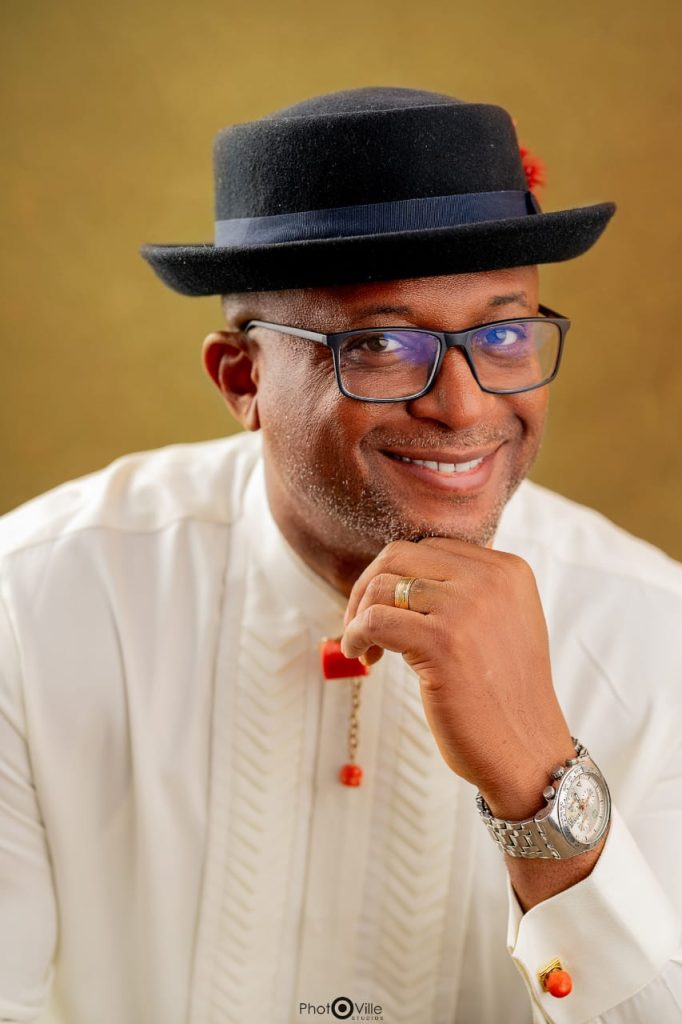
In this interview with Vanguard Allure, the oil and gas executive reflects on his journey from the rig floor to the boardroom, the challenges that tested his resolve, and the importance of safety in an industry where every decision matters. He also speaks candidly about his family, the woman who has stood by him through the years, his late father’s influence, and why he believes Nigeria must invest more in its young professionals rather than depend too heavily on foreign expertise.
You hit a milestone in September when you turned 50. How do you feel entering this new chapter of your life?
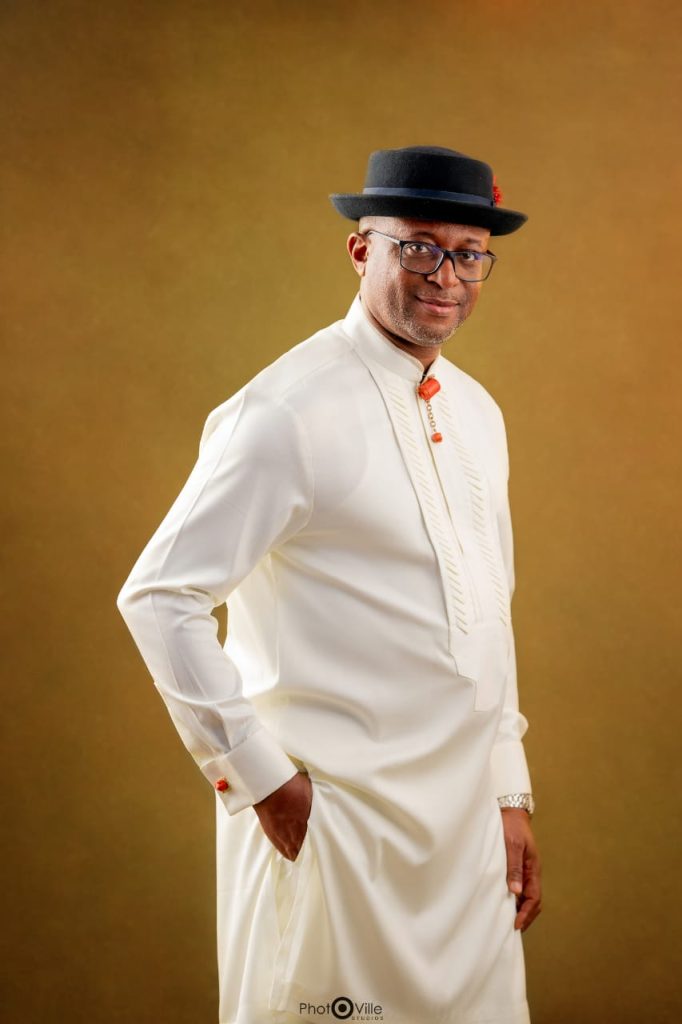
Getting to 50 is, first and foremost, a reason to give all gratitude to God Almighty. I feel great about reaching this milestone, and I see it as the beginning of a new chapter in my life.
At this stage, I want to be more intentional about turning my weaknesses into strengths, learning from my experiences, and becoming a better version of myself.
When you look back at the first 50 years of your life, what are you most grateful for?
I am grateful to God and to my family for the love, support and understanding they have given me throughout my life. I am particularly grateful to my beloved wife for her patience, understanding and for enduring my excesses over the years.
Her support has been a very important part of my journey, and I sincerely appreciate it.
You have spent more than two decades in the oil and gas industry. What inspired your decision to pursue this career?
I have always been someone who enjoys thinking, analysing situations and solving problems. The oil and gas industry provides all of that and much more.
It is an industry where you are constantly confronted with challenges that require practical thinking and, sometimes, immediate solutions. I enjoy that environment, and I believe my natural inclination towards problem-solving made the industry a good fit for me.
You started your career as a roustabout and rose through the ranks to senior operations leadership. What was that journey like?
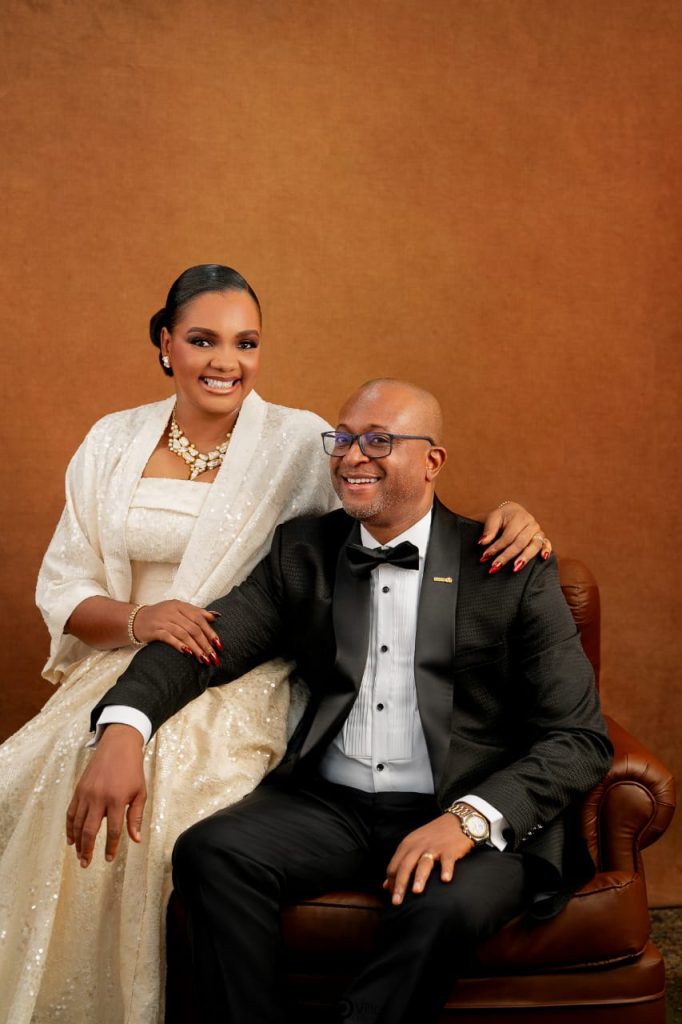
It has been a very interesting journey, and I give all thanks to my parents for the values they instilled in us.
They always made us understand that, wherever we find ourselves, we must give our very best, irrespective of whether it was our first choice or not. That principle stayed with me throughout my career.
I learned to work hard, remain patient and give every opportunity my best effort. Looking back, I can say that patience eventually paid off.
Were there any defining moments for you?
One of the defining moments of my life was finding my better half.
My wife has supported me throughout this journey without doubt. Having someone who believes in you, stands by you and supports you through the different stages of life is something I consider a great blessing.
What would you say was the biggest turning point in your career?
The biggest turning point in my career was joining Charlvon.
That experience exposed me to a much broader world of the oil and gas industry. I had the opportunity to interact with industry players, regulators and various business enablers.
It broadened my understanding beyond the technical and operational aspects of the industry and gave me a much better appreciation of the business and stakeholder side of oil and gas.
What are some of the toughest challenges you have encountered in the oil and gas industry, and how did they shape you as a professional and leader?
One of the toughest challenges was managing a brand-new rig without a contract in place to deploy it for almost three years.
That experience taught me patience. More importantly, it taught me never to give up. The situation forced me to become more resourceful, to think differently and to keep looking for opportunities even when circumstances were not favourable.
It was a difficult experience, but it helped shape my resilience and problem-solving ability.
Having worked across land, swamp and offshore environments, what has working in these very different environments taught you about resilience, teamwork and leadership?
For me, resilience is about understanding that hard work pays off.
I have also learned that team success is more important and ultimately more beneficial than individual success. When the team succeeds, everyone benefits.
I also believe that a leader is part of the team. Leadership is not about separating yourself from the people you lead; it is about working with them, understanding their challenges and helping everyone succeed.
And above all, safety is the key to success. Whatever we achieve must be achieved safely.
You are a strong advocate of HSE and the “Goal Zero” philosophy. Why has safety become such an important part of your professional values?
I have worked in this industry for over 24 years, and by the grace of God, all my body parts are still complete. That alone is something I am grateful for.
I believe everyone is only as good as their last job. Your technical ability can take you far in this industry, but the proper application of HSE principles is what will sustain you throughout your career and, most importantly, in life.
For me, safety is not just a requirement of the job. It is a responsibility to yourself, your colleagues and your family.
Looking at the Nigerian oil and gas industry today, how would you assess its current state, and what do you think needs to change?
One area that needs to change is our over-reliance on foreign experts, sometimes simply because of the colour of their skin.
I believe the change has to start with investing in the younger generation. We need more training, more mentorship and more opportunities for our young engineers and professionals to develop.
Nigeria has the population and the competence to challenge the best in the world. What we need is to invest in our people, give them the right exposure and create opportunities for them to demonstrate what they can do.
With the global energy transition, artificial intelligence and new technologies transforming the sector, what do you see as the future of oil and gas in Nigeria and globally?
Oil and gas has come to stay, and I believe we will continue to harness artificial intelligence and other emerging technologies to improve our processes, efficiency and overall output.
The industry will continue to evolve, and technology will play an increasingly important role in how we explore, drill, produce and manage operations.
Let’s go back to your early years. Where were you born, and what was growing up, like?
I was born in Benin in Edo State. The family moved to Kano in 1980. I attended St. Louis primary school Bompai Kano, St. Patrick’s college Asaba as my Dad wanted the boys to know a little about their culture while the girls all went to FGC’s.
I grew up in a home filled with love, discipline and respect for our elders.
Regardless of gender, everyone had their share of responsibilities, including household chores. It was a home where we were taught to contribute and take responsibility.
My father is late, while my mother will be 75 on December 13. I come from a family of nine children; four boys and four girls and I am the middle child and the second son.
You studied Physics at Bayero University, what informed your choice of career as a teenager.
Physics was not my first choice. I wanted to study mechanical engineering, my choice for JAMB was UNN. Unfortunately, my score was not good enough. I had to go back to Kano and went to BUK through their Remedial program and studied Physics.
How did your education prepare you for a career in drilling and well operations?
Physics is fundamentally a solution based course. It teaches you how to identify problems, understand them and develop solutions.
That has given me an advantage in oil and gas because drilling and well operations present multiple challenges that require you to understand the problem, analyse the situation and find practical solutions.
My background in Physics therefore gave me a strong foundation for the kind of problem solving required in the industry.
What values did your upbringing instil in you that still influence the way you live and lead today?
One of the most important values I learned was to respect everyone.
I have never believed in undermining people because they are young, old, educated or not educated. I believe everyone has something to contribute.
There is a saying I strongly believe in: “There is sense in every nonsense.” Sometimes, the person you least expect may have the idea or perspective that provides the solution you need.
Who have been the most influential people in your life, and what lessons have you taken from them?
A lot of people have influenced me positively, and if I start mentioning all of them, we probably will not have enough space.
But if I have to single out one person, it would be my late father, Prince J.D.C. Opene.
Growing up, we thought he was strict, but as we became older, we understood what he was trying to build in us. One statement from him that I will never forget was: “What I owe you is education that I must provide.”
That statement has stayed with me because it showed me the importance he placed on education, responsibility and preparing his children for life.
After more than 20 years of a demanding career, how do you maintain a balance between work, family and your personal life?
First, I thank God for always being there for me and my family.
And I must give special credit to my beautiful wife, Camilla, also known as Milla. She has supported me immensely and prayed us through every situation.
Her support has given me the peace and stability to focus on the things that matter and avoid distractions. Having a supportive family makes it easier to remain focused and give your best professionally.
Away from oil and gas, who is John Opene? What are your interests, hobbies and favourite ways to unwind?

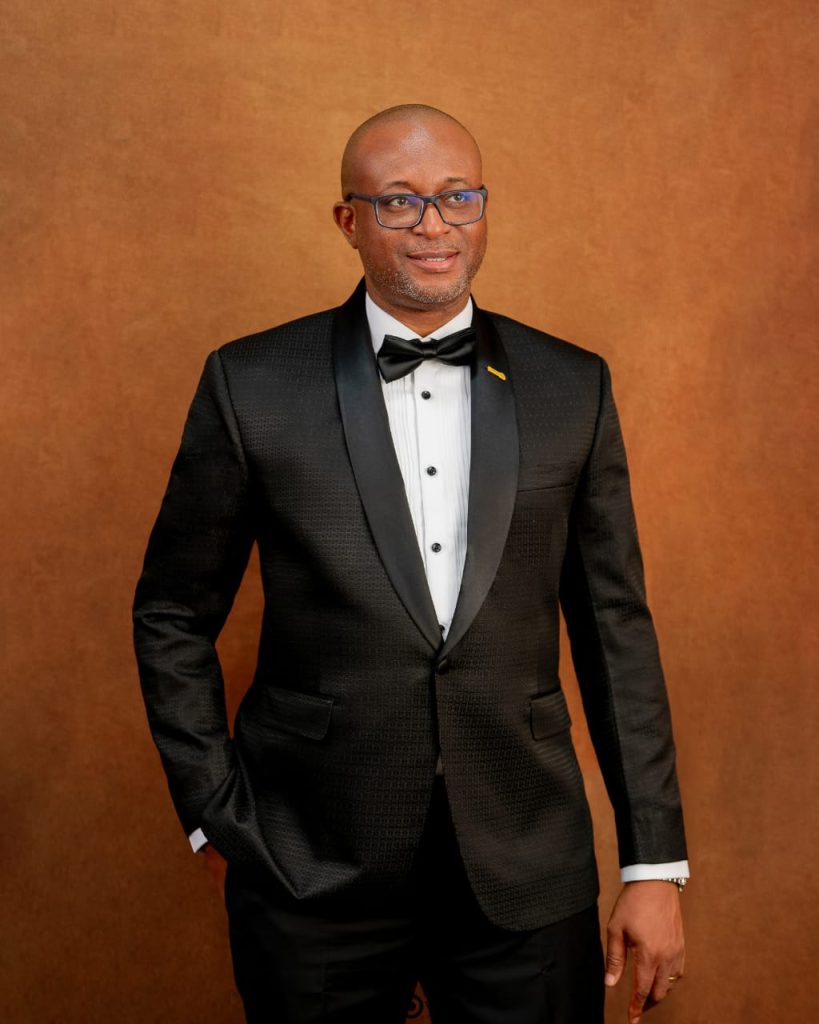
Away from oil and gas, I am a fairly simple person.
I enjoy watching football, and my favourite team is Arsenal. I am also a chess player, which I enjoy because it challenges the mind and requires strategy and patience.
And, of course, I enjoy hanging out with friends. Sometimes, you just need to relax, have a good conversation and enjoy the company of people you value.
Has turning 50 changed your perspective on success, relationships, health, wealth or the way you spend your time?
Honestly, age is just a number. I don’t feel particularly different because I have turned 50.
But when I look at the number, it feels good to be an elder. For now, I am still doing things normally; working, living my life and enjoying every day.
Perhaps the biggest difference is simply appreciating the journey more and being grateful for how far God has brought me.
If you could sit down with the younger John Opene today, what advice would you give him about life, career and the choices ahead?
None! (Laughs.)
I would live this life again exactly as I have lived it. I would not be in a hurry.
I believe God’s timing is the best, and there is no need to compete with anyone. Everyone has their own journey, their own timing and their own destination.
So, I would tell my younger self to remain patient, work hard, trust God and never feel pressured to measure his journey against someone else’s.
As you begin this next chapter, what do you hope to achieve, and ultimately, what would you like your legacy to be?
I would like my life to influence the generations coming after me.
I often look at life like a race. There are different types of races the sprint, the relay, the middle or long distance race, and the endurance race. Not everyone is running the same race, and not everyone has the same pace.
What matters most is that you run your own race well and, most importantly, finish right.
If my life can inspire the younger generation to understand that there is no need to rush, no need to compete unnecessarily, and that everyone has a race to run, then I would consider that a meaningful legacy.