

By Judy Okolo
As the world marks World No Tobacco Day, it is time to confront one of the most dangerous habits society continues to excuse, romanticize, and underestimate smoking.
For many people, cigarettes have become more than tobacco. They have become companions during stress, silent escapes during emotional pressure, and coping mechanisms in the middle of demanding lives. The overworked executive lights one after a tense meeting. The anxious young adult reaches for a vape after a difficult day. The exhausted driver smokes to stay calm in traffic. Somewhere along the line, we began to associate smoke with relief.

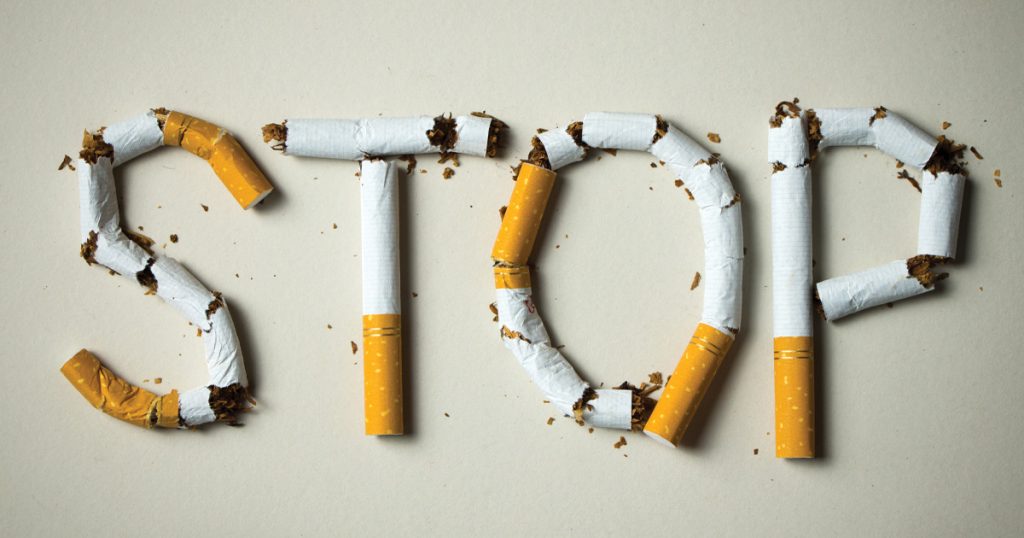
But relief is not the same as healing.
Smoking remains one of the leading preventable causes of disease and death globally, yet many people still approach its dangers casually because the damage often feels distant and gradual. Unlike a sudden accident, tobacco destroys quietly. It slowly affects the lungs, heart, blood vessels, brain, fertility, immunity, and overall quality of life.
The frightening part is that many smokers already know the risks. They have heard about lung cancer, stroke, hypertension, chronic cough, and heart disease countless times. Yet familiarity has created dangerous emotional numbness. Tobacco-related illness has become so common that society often stops treating it with the seriousness it deserves.
Even more concerning is the growing misconception around vaping.
Many young people now see vape devices as fashionable, safer alternatives to cigarettes. This is one of the most dangerous wellness myths of our time. Vaping is still smoking. The delivery system may look modern and less offensive in smell, but the body still absorbs addictive nicotine and harmful chemicals that affect the lungs, brain, and cardiovascular system. In many cases, vaping becomes a gateway into long-term nicotine dependence rather than an escape from it.
The danger of smoking also extends far beyond the smoker.
Passive smoking inhaling smoke from another persons cigarette or vape carries significant health risks, especially for children and infants. Babies exposed to smoke-filled environments are more vulnerable to respiratory infections, asthma, chronic cough, ear infections, and even sudden infant death syndrome. A child should not have to inhale toxins because adults around them choose temporary comfort over long-term health.
Pregnant women exposed to secondhand smoke also face increased risks affecting both mother and baby. Unfortunately, many homes and public spaces still underestimate how dangerous just one cigarette nearby can be.
The good news is that recovery is possible.
Breaking free from tobacco often begins with understanding triggers. Many people do not only crave nicotine; they crave emotional escape. Stress management therefore becomes a major part of quitting successfully. Replacing smoking rituals with healthier coping habits such as walking, deep breathing, exercise, hydration, journaling, prayer, therapy, or supportive conversations can make a significant difference.
Gradual reduction strategies, accountability partners and wellness coaching can also help ease the transition. Most importantly, smokers must stop seeing quitting as punishment and begin seeing it as self-respect.
Every cigarette avoided is a gift to the lungs, heart, brain, and future.
This World No Tobacco Day, perhaps the real question is not whether smoking is harmful we already know that. The real question is why we continue mistaking slow self-destruction for stress relief.
True wellness should never come wrapped in smoke.
Until next time, lets glow intentionally.