

By Dr. Gbonjubola Abiri
“Doctor, my wife got up in the middle of the night, walked out of the bedroom completely unclothed and stood in front of me while I was in an online meeting. She had no idea what she was doing. This cannot be ordinary sleep Doc. It must be a spiritual attack.”

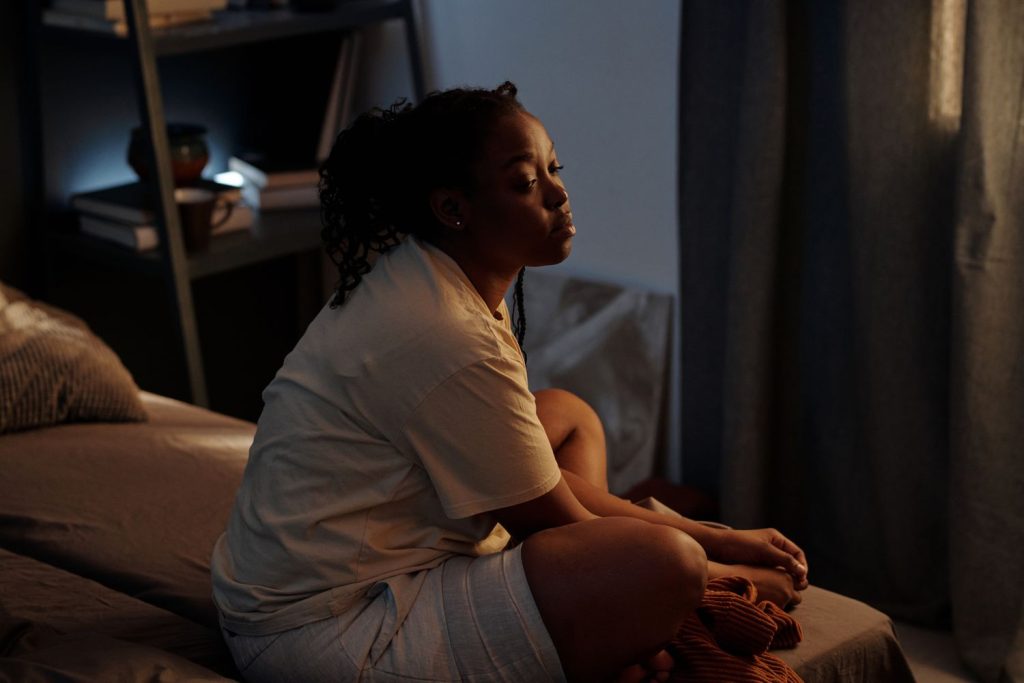
This was the heartfelt concern of a husband whose wife had experienced repeated episodes of unusual behaviours during sleep. On some nights, she wandered around the house. On others, she rearranged items, opened doors, became violent while briefly confused after waking up and attempted to carry out activities while appearing awake. Yet by morning, she had absolutely no memory of any of it.
This condition is known as somnambulism, more commonly called ‘sleepwalking’.
Somnambulism is a sleep disorder in which a person partially wakes from deep sleep and performs complex behaviours while still technically asleep. Although the eyes may be open and the individual may even respond to simple questions, the brain is not fully awake. This explains why they often appear confused, make poor decisions and cannot remember the episode afterwards.
Contrary to popular belief, sleepwalking is not always limited to quietly walking around the house. Some people may talk, eat, dress or undress, use electronic devices, attempt to leave the house or even drive a vehicle. These behaviours can be distressing for family members.
The condition is commoner in children, many of whom outgrow it. However, it can also occur in adults. Several factors can trigger or worsen episodes: sleep deprivation, stress, anxiety, fever, alcohol, certain medications, obstructive sleep apnea and sleep schedule disruptions. There may also be a family history of sleepwalking.
In many societies like ours, unusual behaviours during sleep are often interpreted as supernatural experiences. While these personal beliefs exist, it is important to understand sleepwalking is a medical condition which has been extensively studied. The belief that it is solely a spiritual problem delays help-seeking, assessment and treatment. It also increases significantly, the risk of injury which is a great concern with sleep walking.
Family members will need to ensure safety in the home as they ensure that doors are locked, sharp objects removed and the room is free from obstacles. The individual will also need to be guided back to bed, gently without force or confrontation. Treatment is available and depends on underlying cause. Seeing a sleep physician is helpful for thorough assessment, including history taking and investigations including a sleep study. Management will include improving sleep hygiene, managing stress, treating sleep related disorders and use of medications where necessary.
If you or anyone you know have this condition, please avoid ascribing it to spiritual means alone. Seek help and very early too.
Remember there is no health without mental health.
Dr. Gbonjubola Abiri is a consultant Psychiatrist, Associate Lecture and Mental Health Advocate