


Joy Onuorah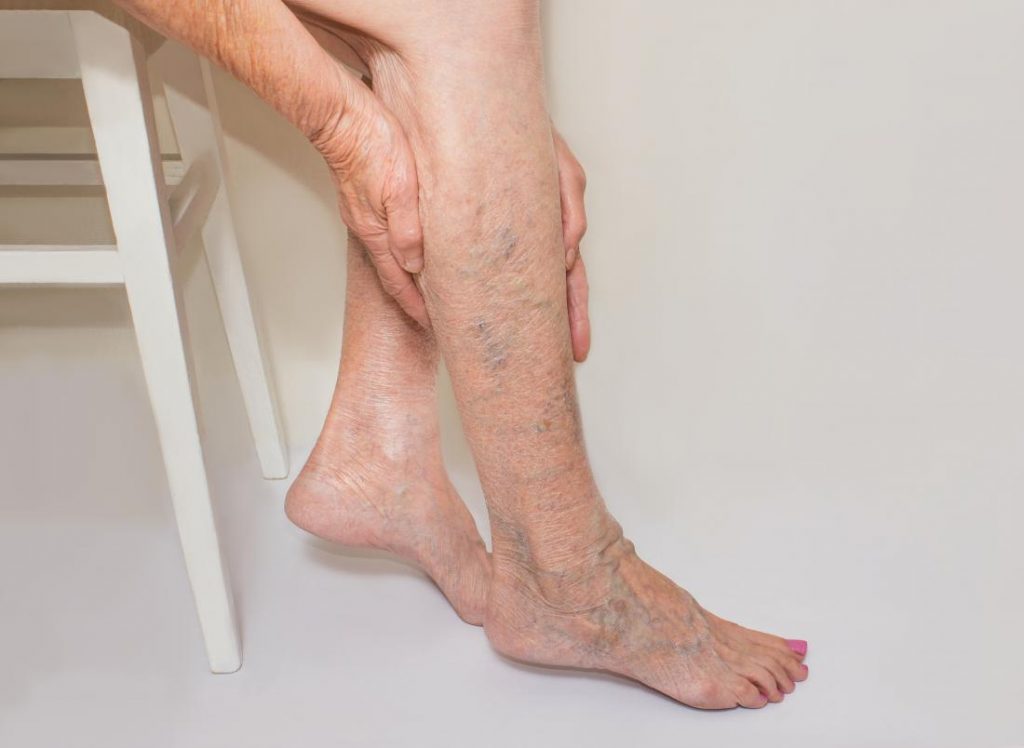

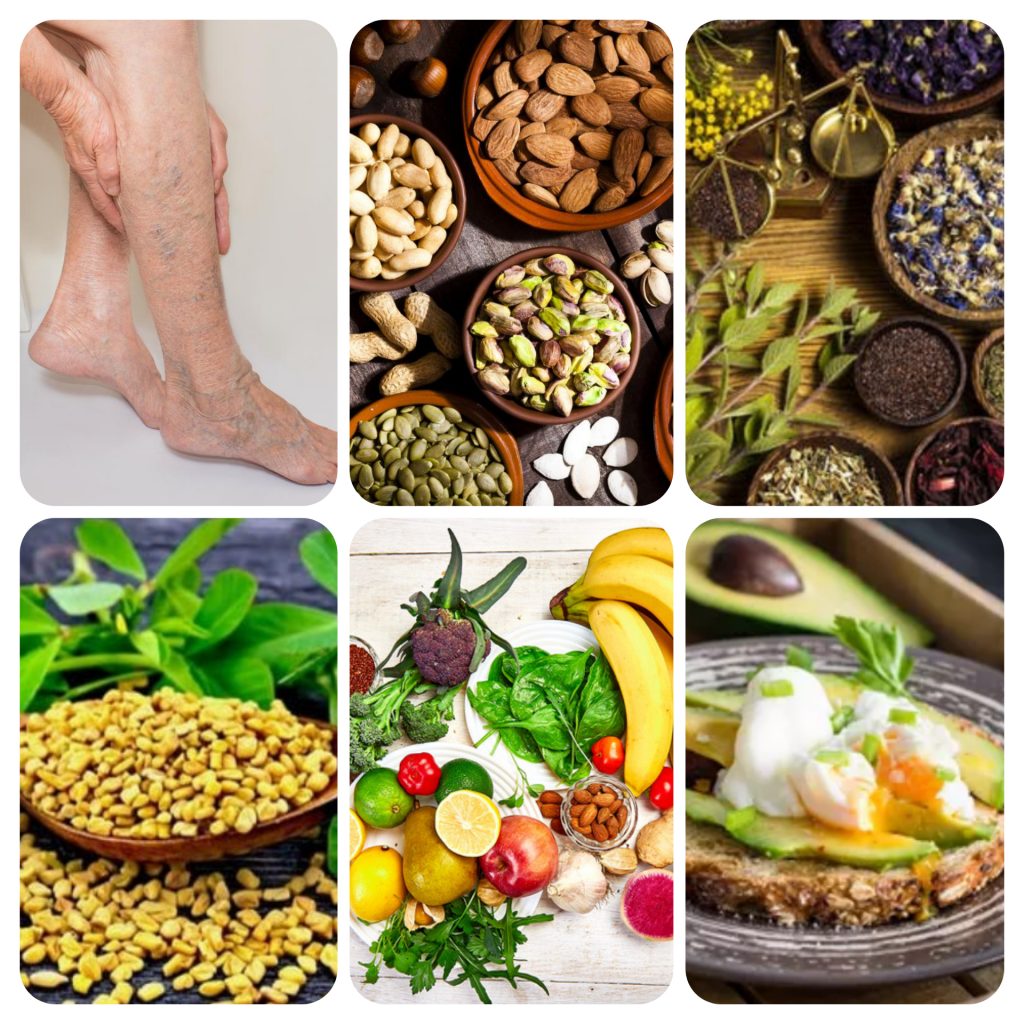
Varicose veins occur when a person’s veins become swollen and enlarged. In some people, they can cause pain and discomfort.
Other known symptoms of varicose veins are:
- Burning or throbbing sensation in the legs
- Uncomfortable legs that feel heavy or achy
- Muscle cramps that can be more noticeable at night
- Swelling of the feet and ankles
- Dry or itchy skin that appears thinner over the varicose vein
Here are some home treatment that has proven effective for varicose veins:
Exercise
Regular exercise encourages better blood circulation in the legs, which helps to push along the blood that has collected in the veins. Exercise also helps to lower a person’s blood pressure, which is another contributing factor to varicose veins.
Low-impact exercises help to get the calf muscles working without excessive strain. Effective, low-impact exercises include:
- Swimming
- Walking
- Cycling
- Yoga
Dietary changes
Salty or sodium-rich foods can cause the body to retain water, so cutting down on salty food can minimize water retention. Foods high in potassium can help to reduce water retention.
Foods high in potassium include:
- Almonds and pistachio nuts
- Lentils and white beans
- Potatoes
- Leafy vegetables
- Some fish, such as salmon and tuna
Foods with fiber help to keep the bowels moving and prevent constipation. This may be important, as straining can aggravate damaged valves or make them worse.
Foods high in fibre include:
- Nuts, seeds, and legumes
- Oats, wheat, and flaxseed
- Whole-grain foods
People who are overweight are more likely to experience varicose veins, therefore, shedding any excess pounds can reduce the pressure on the veins and alleviate swelling and discomfort.
Eat more flavonoids
Flavonoids improve blood circulation, which will keep the blood flowing, and make it less likely to pool in the veins. They also help to reduce blood pressure in the arteries and can relax blood vessels, all of which can reduce varicose veins.
Foods that contain flavonoids include:
- Vegetables, including onions, bell peppers, spinach, and broccoli
- Citrus fruits and grapes, cherries, apples, and blueberries
- Cocoa
- Garlic
Wear non-restrictive clothes
Wearing tight-fitting clothes can restrict blood flow. A person may find that their circulation is improved by wearing loose-fitting clothes that do not restrict the blood supply to the lower body.
Wearing flat shoes instead of high heels may also help with varicose veins in the legs.
Compression stockings
Compression stockings are available from most pharmacies and can help by applying pressure to the legs. This aids the muscles and veins to move blood toward the heart.
A study from 2018 found that people who used knee-high compression stockings with a pressure of 18 to 21 mmHg for one week, reported a reduction in the pain and aching associated with varicose veins.
Compression stockings can be found in pharmacies.
Plant extracts
Plant extracts and essential oils should be diluted in carrier oils before being applied topically or used in a diffuser for aromatherapy.
Keep the legs elevated
Keeping the legs elevated, ideally at the same height as the heart or above it will help to improve circulation. This reduces the pressure in the leg veins and gravity will help the blood to flow smoothly back to the heart.
Foods with fiber help to keep the bowels moving and prevent constipation. This may be important, as straining can aggravate damaged valves or make them worse.
Foods that are high in fiber include:
- nuts, seeds, and legumes
- oats, wheat, and flaxseed
- whole-grain foods
People who are overweight are more likely to experience varicose veins, therefore, shedding any excess pounds can reduce the pressure on the veins and alleviate swelling and discomfort.
Gentle massage
Gently massaging the affected areas can help to keep the blood moving through the veins. A person can use gentle massage oils or moisturizer for optimal effects.
Don’t sit for too long
Avoid sitting for long periods of time. If a person has to sit for long periods of time for work, they should aim to get up and move around or change position frequently to keep the blood flowing smoothly.
Avoid sitting with crossed legs, as this can further restrict blood flow to the legs and feet, which may add to circulation problems.