


By Judy Okolo
Every executive I’ve spoken to agrees on one truth: stress is inevitable. It comes bundled with responsibility, ambition, and the relentless pursuit of results. But heres what separates those who burn out from those who thrive – the way they recover.

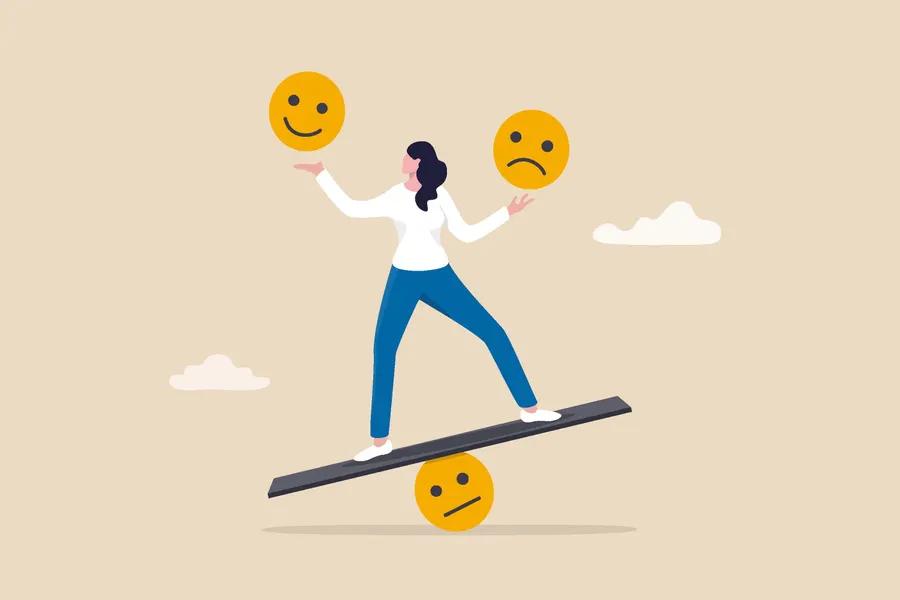
Coping helps you survive. Decompressing helps you sustain performance. And the difference is profound. Recently, in conversations with leaders across industries, I noticed a common theme: each has discovered personal rituals that move them beyond coping into true recovery. Their stories read like a toolkit: practical, tested, and worth emulating.
- Breathing as a Leadership Tool
A CEO put it simply: I used to walk into meetings tense, and it showed. My voice was clipped, my presence rushed. A colleague introduced me to the 4-7-8 breathing technique, and it changed everything. Now, I pause, breathe, and walk in composed. My team says I command the room differently.
Breathing doesnt just calm the nervous system; it also signals confidence and control. - Micro-Resets that Multiply Focus
One consultant confessed: My calendar was wall-to-wall. I thought productivity meant no breaks. In reality, I was carrying stress from one meeting into the next. Scheduling five-minute exits: whether a stretch, a walk, or just silence – gave me back my focus. I dont crash by midday anymore.
What he discovered is backed by neuroscience- short breaks reset attention and prevent decision fatigue. Executives who engineer recovery into their schedule dont just work longer; they work smarter. - Movement as Stress Detox
A traveling executive shared, My stress lived in my body: tight shoulders, aching back. A mentor once told me, Stress that doesnt move, settles. That hit me. Now, no matter where I am, I carve out 20 minutes daily. Sometimes its a run, other times yoga in my hotel room. Movement became my reset button.
Stress is physical as much as mental. Leaders who prioritise movement treat it not as a hobby but as part of their resilience strategy. - Sleep as a Competitive Edge
A senior banker reflected on his turning point: I used to romanticize running on five hours of sleep. But eventually my decision-making blurred. I built a night ritual – lights dimmed, phone away, to-do list written before bed. I sleep seven hours now. My clarity, patience, and creativity all shot up.
He called sleep his unfair advantage. In truth, its biology: sleep is when the brain resets, consolidates memory, and restores energy. Without it, leadership suffers. - Connection as an Antidote
A director said it best: For years, I thought stress was something to manage alone. Then I started having one tech-free dinner a week with friends. No business talk, just connection. I didnt realise how much it recharged me until I saw myself laughing again.
Human connection lowers stress hormones and increases resilience. For leaders who live in high-pressure spaces, connection is not distraction – its restoration.
The Bigger Picture
Listening to these leaders, a truth emerges: recovery is not indulgence, its strategy. Breathing, breaks, movement, sleep, nutrition, connection – none are glamorous, but each creates the resilience that keeps leaders sharp.
Coping is what keeps you afloat. Decompressing is what lets you rise above. And in the high-stakes world of leadership, your recovery habits are as critical as your business strategies.
✨ Wellness is the new currency of leadership—invest wisely. ✨