


Joy Onuorah
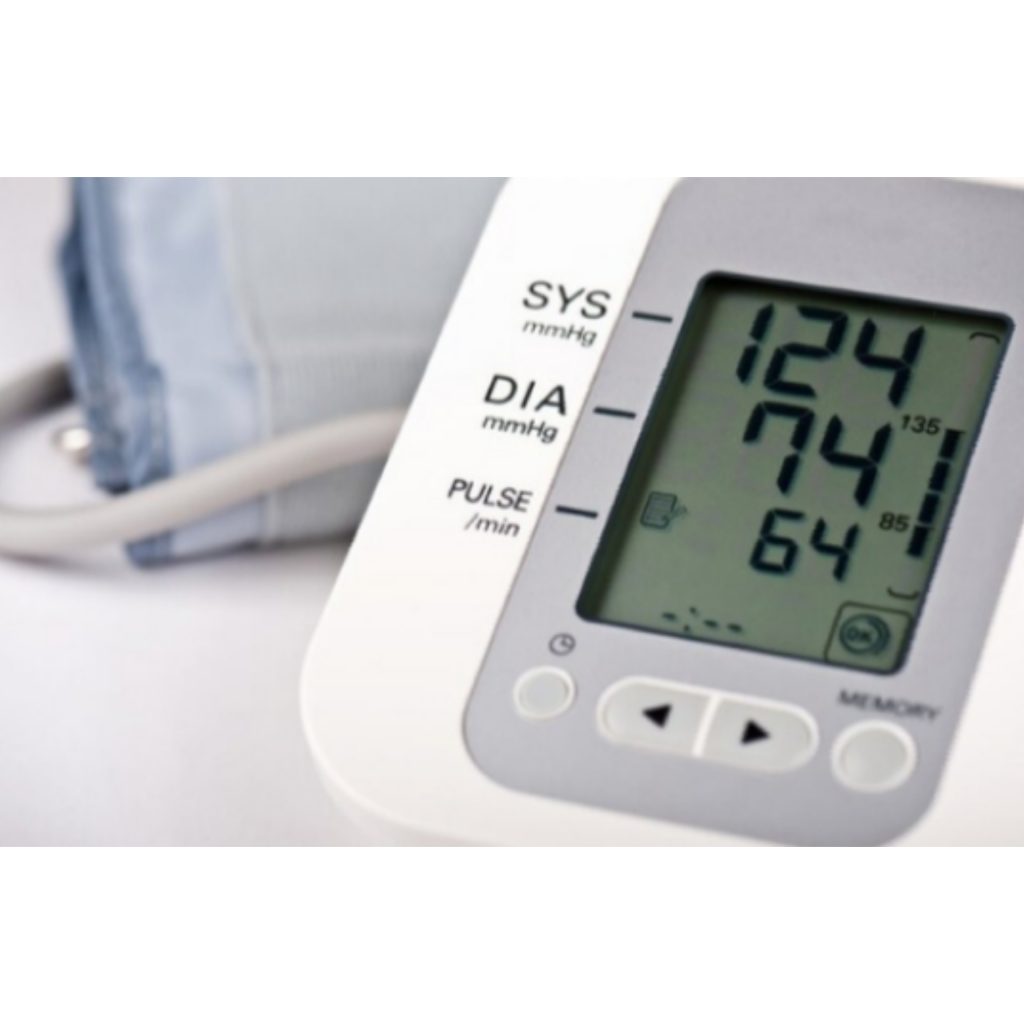
Lower blood pressure
Maintain a blood pressure of less than 120/80 if possible. For some older people, this might not be possible because of medication side effects or dizziness with standing.
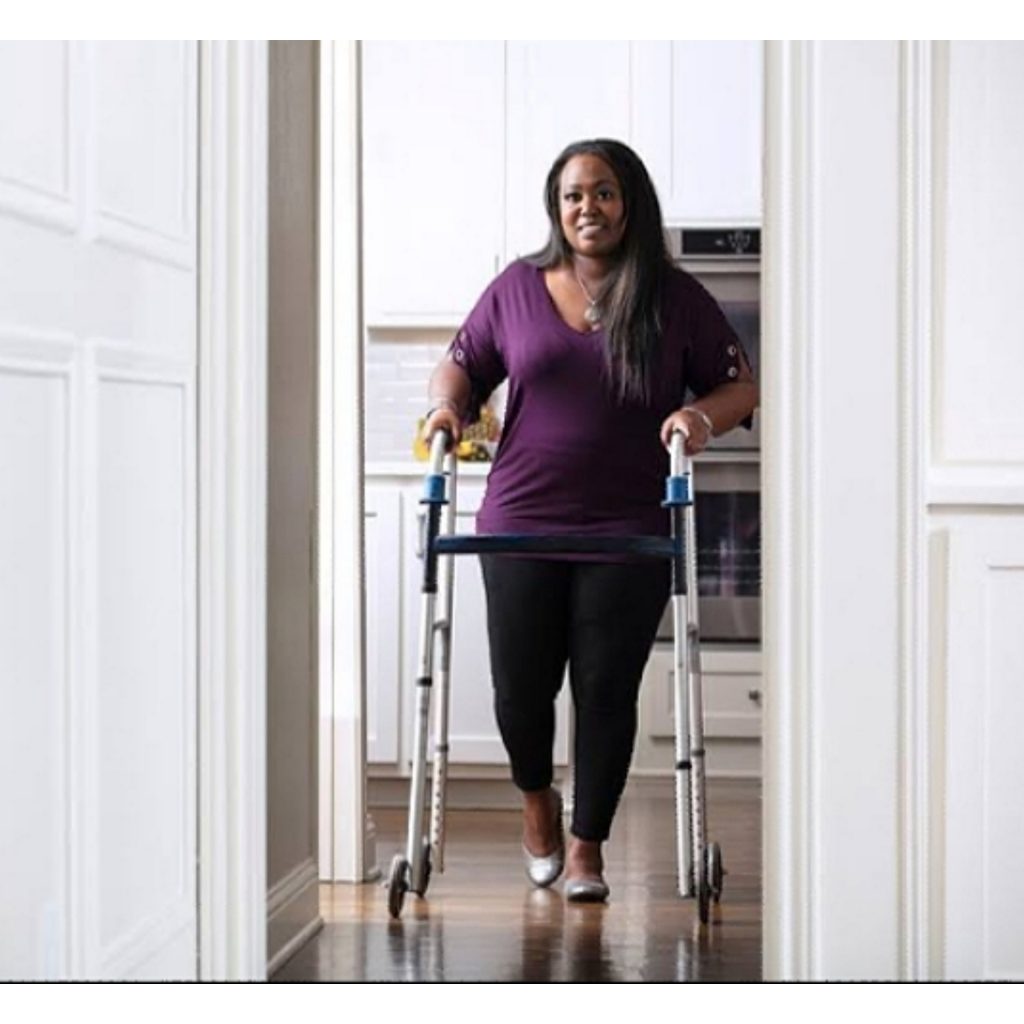
Low weight
While an ideal body mass index (BMI) is 25 or less, that may not be realistic for you. Work with your doctor to create a personal weight loss strategy.

Exercise more
Exercise contributes to losing weight and lowering blood pressure, but it also stands on its own as an independent stroke reducer.
Exercise at a moderate intensity at least five days a week.
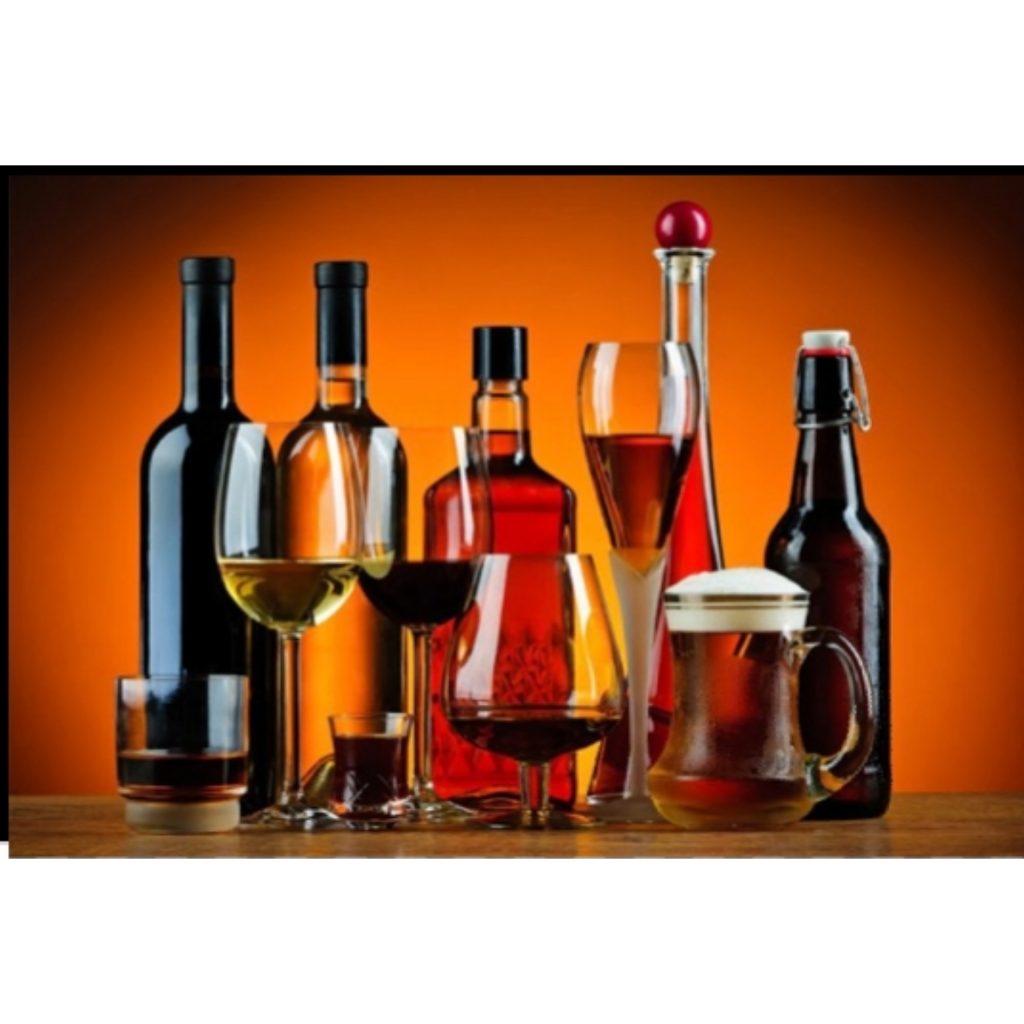
Drink alcohol in moderation
Don’t drink alcohol or do it in moderation.

Treat atrial fibrillation
Atrial fibrillation is a form of irregular heartbeat that causes clots to form in the heart. Those clots can then travel to the brain, producing a stroke. Atrial fibrillation carries almost a fivefold risk of stroke.
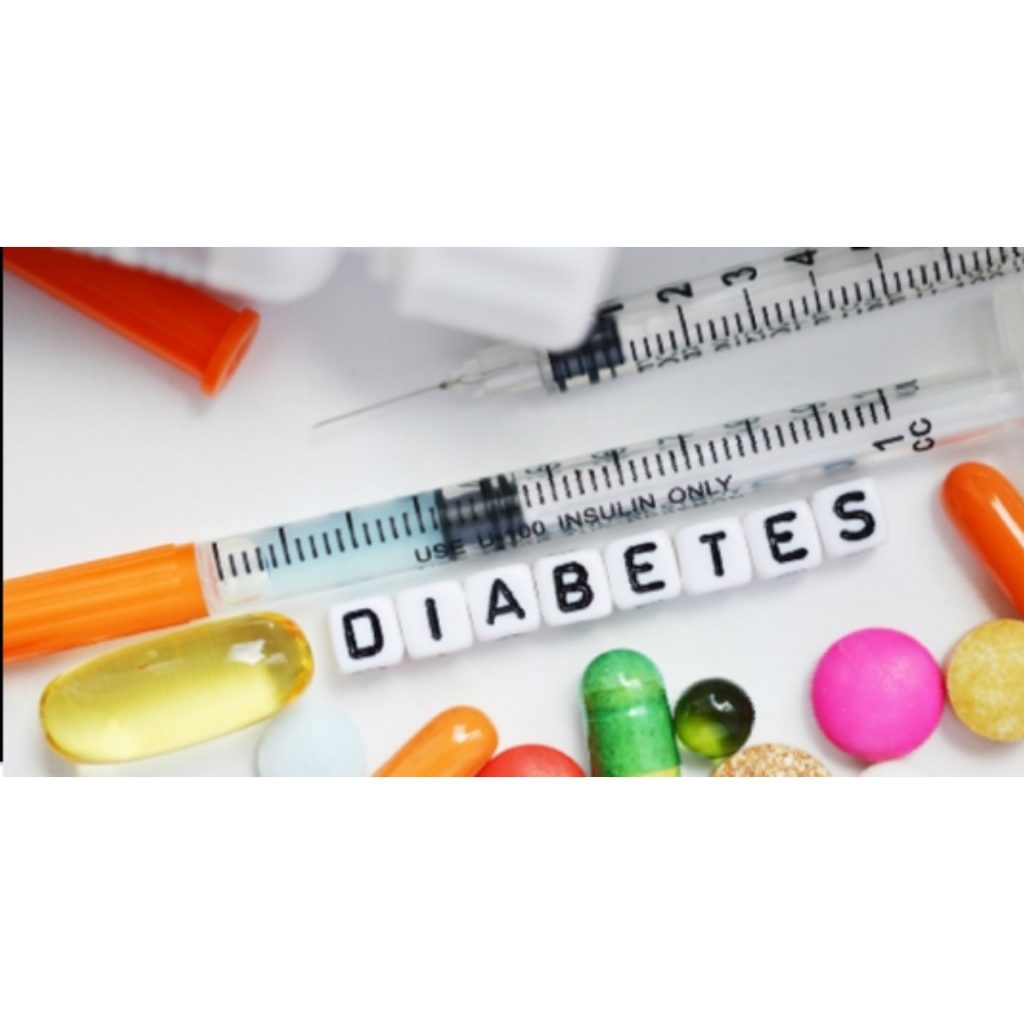
Control sugar level
Having high blood sugar damages blood vessels over time, making clots more likely to form inside them. Treat diabetes.

Quit smoking
Smoking accelerates clot formation in a couple of different ways. It thickens your blood, and it increases the amount of plaque buildup in the arteries. Along with a healthy diet and regular exercise, smoking cessation is one of the most powerful lifestyle changes that will help you reduce your stroke risk significantly.