

By Judy Okolo
That was how he started. A senior executive, always on the move, always delivering results. Back-to-back meetings, late-night emails, airport lounges instead of proper meals. On the surface, it looked like success. Until a routine check revealed numbers he couldn’t ignore dangerously high blood pressure.
No symptoms, he said. No warning. Just numbers that didn’t make sense.

His story is not unusual. In fact, it is the quiet reality for many high-performing professionals.
Hypertension doesn’t interrupt your schedule; it adapts to it. It grows in the background of long hours, chronic stress, poor sleep, and inconsistent nutrition. By the time it is discovered, the body may already be under significant strain.
That experience became a turning point.
I had to admit that my lifestyle was not supporting my future, he shared. And that’s where the real work began, not with drastic changes, but with intentional, sustainable shifts.
First was stress awareness.
He didn’t eliminate pressure that wasn’t realistic. Instead, he learned to manage it. Simple practices like stepping out between meetings, deep breathing, and creating short pauses in his day helped regulate his system. Stress became something he responded to, not something that controlled him.
Next came structured nutrition.
Gone were the days of skipping meals or grabbing whatever was convenient. He prioritised balanced meals with more vegetables, lean proteins, less salt, and consistent hydration. For someone with a demanding schedule, he also introduced high-quality nutritional supplements to support heart health and fill the gaps his routine couldn’t always cover.
I realised I couldn’t outwork poor nutrition, he admitted.
Movement became part of his routine, not an afterthought.
No elaborate gym sessions, just consistency. Brisk walks, light workouts, and stretching. Small actions, done daily, began to yield measurable results.
Then came the often-ignored pillar: sleep.
I used to wear sleep deprivation like a badge of honour, he said. Now, he protects his rest. Reduced screen time at night and more structured sleep hours have made a profound difference.
Perhaps most impactful was accountability.
Working with a health coach gave him a clear, personalised roadmap. It removed guesswork and helped him stay consistent, even on the busiest days.
Today, his numbers are better. But more importantly, his mindset has shifted.
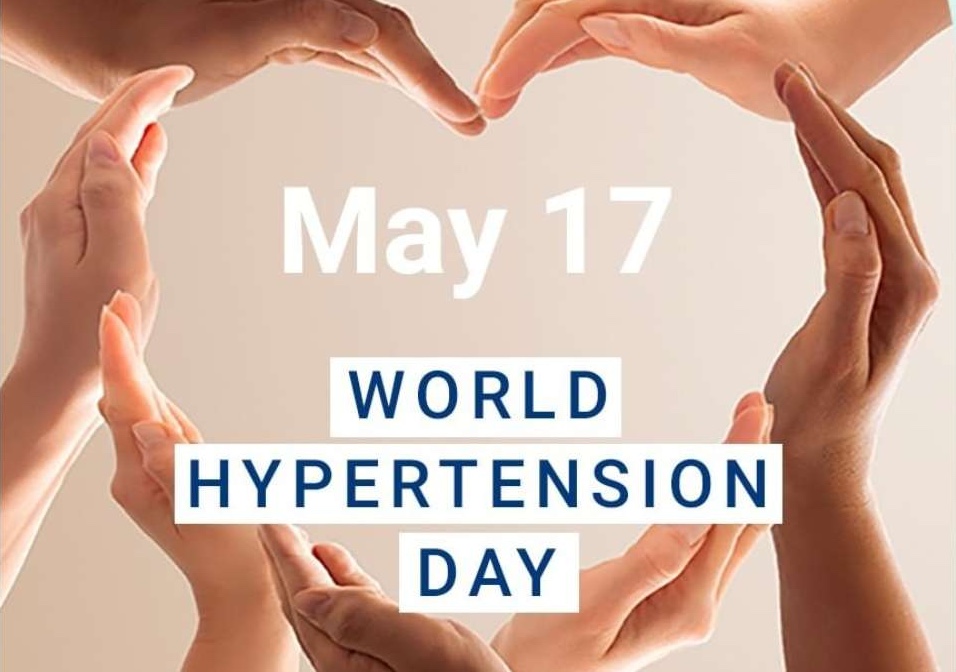
On this World Hypertension Day, his message is simple: don’t wait for a diagnosis to start paying attention.
Because hypertension is not just about what is detected, it is about what is prevented.
And in the end, the goal is not just to succeed at work, but to stay well enough to truly enjoy the life you are working so hard to build. Top of Form
Remember, prevention is not just better than cure; it is far more sustainable than even early detection
Until next time, let’s glow intentionally.