
Creativity and Consistency Shaped My Career — Ayishat Iyabode
By Josephine Agbonkhese
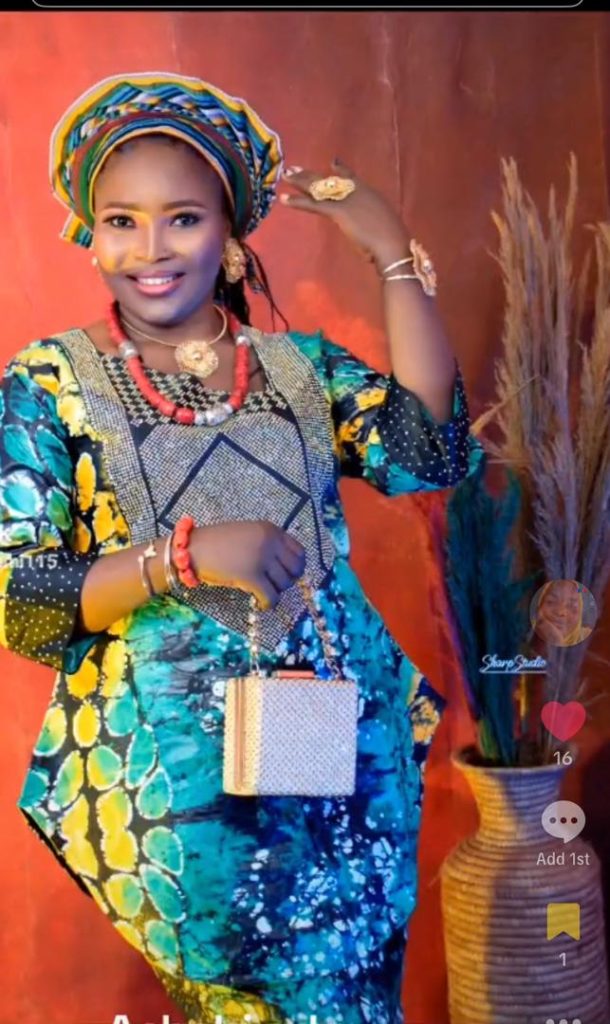
With a career that continues to gain impressive momentum, Ganiyu Ayishat Iyabode has carved a niche for herself as one of the promising young talents in the beauty industry.Renowned
Renowned for her creativity, professionalism, and unwavering commitment to enhancing her clients’ confidence, the award-winning makeup artist has earned recognition for delivering exceptional artistry that celebrates beauty in all its forms.
In this exclusive interview with Vanguard Allure, Iyabode reflects on her journey to becoming an award-winning makeup artist, shares the essential dos and don’ts of the beauty industry, and offers valuable advice to aspiring makeup artists looking to build successful careers.
Let us start from the beginning How did you become a makeup artist?
My journey started from a genuine interest in beauty, creativity and transformation. I became fascinated by how makeup can enhance a person’s natural features and also help people feel more confident. I started learning, practising and improving my techniques, and with time I turned that passion into a professional career. I have continued to train and develop my skills because makeup is an industry where there is always something new to learn.
What inspired you to choose makeup artistry as a profession?
I have always seen makeup as an art form and a career that allows me to express my creativity while helping people look and feel their best. I love the transformation that takes place when a client sits in my chair and leaves feeling confident and beautiful. That passion encouraged me to take makeup seriously, develop my skills and build a professional career around it.
How long have you been practising professionally?
I have been building my experience through continuous practice, professional training and working with different clients. Every client, event and face teaches you something different. I believe professional growth is not only about the number of years you have worked, but also about the quality of your experience and your commitment to improving my craft.
What makes someone a professional makeup artist rather than just someone who knows how to apply makeup?
Professionalism goes beyond applying foundation or eyeshadow. A professional makeup artist understands skin preparation, facial structure, colour matching, hygiene, product selection, lighting, timing and client communication. You also need to be reliable, respectful and able to work under pressure. Most importantly, you should know how to create a look that suits the individual client rather than simply copying a trend.
What are the major services you offer as a makeup artist?
I offer a range of professional makeup services, including bridal makeup, traditional wedding makeup, birthday and party makeup, photoshoot makeup, red-carpet and event looks, beauty and editorial makeup, as well as makeup for media and television appearances. The exact look depends on the client’s personality, outfit, occasion and desired finish.
What is your favourite type of makeup job?
I enjoy jobs that allow me to be creative and pay attention to detail. Bridal makeup is especially rewarding because the client has a very important day ahead of her, and I understand how much confidence and trust she places in the makeup artist. I also enjoy photoshoots and media work because lighting and cameras require a different level of precision.
You have mentioned that you have received two professional awards for your work. Can you tell us about the awards you have received?
I am very grateful to have received two awards in recognition of my work as a makeup artist. First was the best Apprentice Award for my dedication and commitment during my days at Mimi Koncept Make-up academy. Then, a Lagos makeup competition award. Receiving these awards was a very special moment for me because they recognized the effort, creativity, professionalism and dedication I have put into my career.
How did you merit or qualify for these awards, and what do you believe made your work standout?
I believe the awards were the result of consistent hard work, creativity, professionalism and the quality of service I provide to my clients. I have always tried to improve my techniques, maintain high standards and create looks that are both beautiful and suitable for each individual client. Being recognised for that work was encouraging and motivated me to continue developing professionally.
What did winning those awards mean to you personally and professionally?
The awards meant a great deal to me because they gave me confidence that my hard work was being noticed and appreciated. Professionally, they also strengthened my reputation and encouraged me to aim higher. However, I see awards as recognition of the journey rather than the end of it. I still believe there is always more to learn and improve.
How do you deal with a client who does not know exactly what makeup look she wants?
I start by asking questions. I want to know the occasion, outfit, hairstyle, preferred colours,comfort level and the type of finish the client likes. I also consider her facial features and skin type. Then I recommend options and explain why a particular look may work. My job is not to impose my personal taste; it is to guide the client and create a result that makes her feel confident and comfortable.
What is your approach to skincare and skin preparation before makeup?
Skin preparation is extremely important because good makeup starts with properly prepared skin. I first assess the skin and make sure it is clean and adequately moisturised. Depending on the skin type and the makeup look, I may use suitable primers and other preparation products. I also believe that client should maintain a good skincare routine outside the makeup chair.
How important is hygiene in makeup artistry?
Hygiene is non-negotiable. I sanitise tools and products appropriately, use clean brushes and applicators, avoid cross-contamination and pay close attention to anything that comes into contact with the eyes,lips or skin. A beautiful makeup result should never come at the expense of a client’s safety.
What are some common mistakes people make when doing their own makeup?
One common mistake is choosing the wrong foundation shade or applying too much product.Another is not preparing the skin properly. People also sometimes follow trends without considering whether the style suits their face, skin type or the occasion. Makeup should enhance your natural features, not make you feel like you are wearing someone else’s face.
How do you make makeup look good both in person and on camera?
Camera makeup requires careful attention to texture, coverage, colour and lighting. I consider the type of camera, lighting conditions and the environment where the client will appear. The goal is to make the skin look polished without making it look unnecessarily heavy. Experience teaches you how products behaved under different lights and cameras.
What role does confidence play in your work?
Confidence is a major part of what I do. Makeup can transform a person’s appearance, but the real success is when the client looks in the mirror and feels good about herself. I always want my clients to leave feeling confident, comfortable and happy with the way they look.
How do you handle pressure when you have several clients or an important event with a strict deadline?
Preparation is the key. I plan my schedule, arrive early, organise my products and tools, and make sure I understand the timeline before I start. I also stay calm. In this industry, unexpected things can happen, so you need to be flexible and professional without allowing pressure to affect the quality of your work.
What has been one of the biggest lessons you have learnt from working with clients?
I have learnt that every face is different and every client has a different personality. Listening is just as important as applying makeup. I have also learnt that professionalism creates long-term relationships. If you respect your clients, communicate clearly and consistently deliver quality work, they are more likely to trust you and recommend you to others.
Has being a female makeup artist ever been challenging for you?
Like any career, there can be challenges. The beauty industry is competitive, and as a female makeup artist, I have had to continuously develop my skills and prove myself through the quality of my work. But I see challenges as opportunities to learn and become better. I focus on my craft, my professionalism and the value I provide to my clients.
How do you improve your craft?
I follow developments in the beauty industry, watch professional demonstrations, practise new techniques and continue to educate myself. Social media has also made it easier to see international trends, but I do not blindly copy everything I see. I study the technique and then adapt it to suit my clients and my own professional style.
What is the business side of being a makeup artist like?
Being a makeup artist is also about running a business. You have to manage bookings, pricing,customer service, marketing, transportation, product costs, time and finances. Your social media presence and portfolio are important, but your reputation is even more important. A talented artist who is unreliable can lose clients, while an artist who combines skill with professionalism can build a strong and successful business.
What advice would you give to someone who wants to become a professional makeup artist?
Start by learning the fundamentals and practising consistently. Invest in quality education and gradually build your professional kit. Do not be discouraged by mistakes because every artist was once a beginner. Take pictures of your work, build a portfolio, learn how to communicate with clients and understand the business side of the profession. Most importantly, remain humble and keep learning.
What do you think is the future of makeup artistry?
Makeup Artist: I believe the future is very bright. Makeup is now connected to fashion, entertainment, photography, film, television, social media, advertising and personal branding. Technology and social media are also creating new opportunities for makeup artists to reach clients and audiences around the world. Artists who combine creativity, professionalism and digital skills will have many opportunities.
Presenter:
Finally,what would you like fans to remember about you and your work?
I want people to remember that makeup is not simply about covering face. It is art that can enhance beauty, express personality and build confidence. As a professional female makeup artist, my goalis to provide quality service, make every client feel valued and continue growing in my craft. I am grateful forevery opportunity to create, learn and make people feel confident and beautiful.
!