Substance Use Disorders
By Dr. Gbonjubola Abiri
Have you ever heard someone you know who is always impeccably dressed, intelligent, articulate and successful by every outward measure say to you that they don’t have a substance abuse problem?
Meanwhile, you are fully aware that they can’t focus or function at work without stimulants, cannot unwind at night without a mix of alcohol and energy drinks and they are unable to sleep without tablets. They often say: “I am not addicted. I just need the substances to function well”.
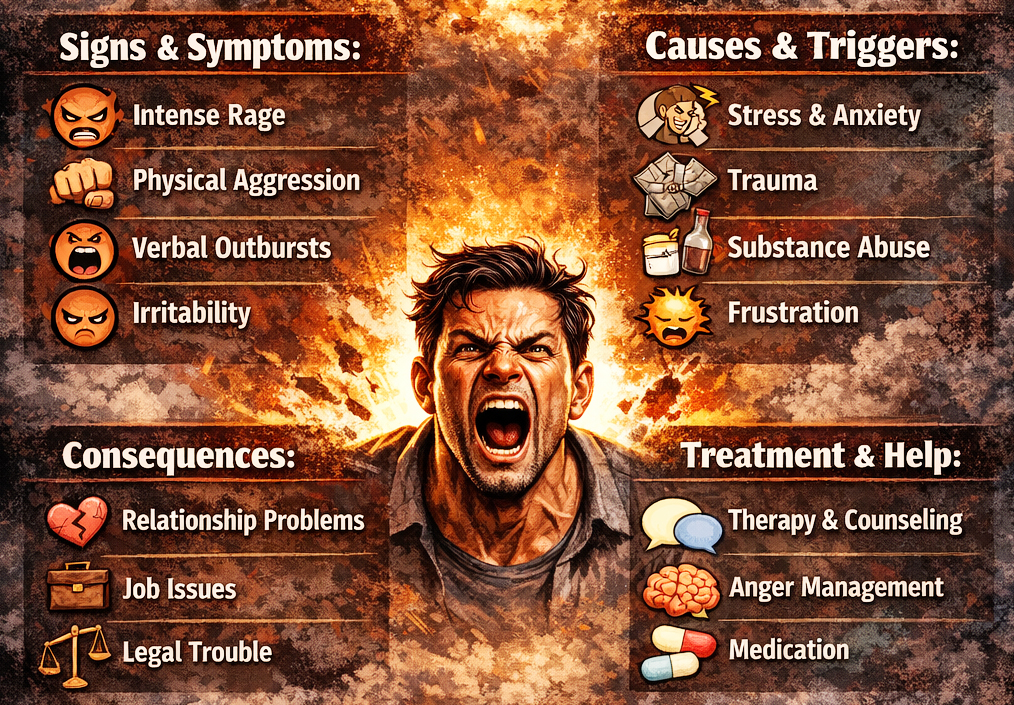
Substance use disorder, SUD, describes the harmful or dependent use of substances such as alcohol, prescription medications, cannabis, opioids, stimulants and other psychoactive drugs. While the substances may differ in different people and in different locations, the pattern is often the same. Users may indulge in the use of substance for experimentation, for relief, curiosity, pleasure, or performance enhancement, and this gradually turns into loss of control, craving, tolerance and continued use in spite of harm.
Substance use often happens in a bid to run away from pain or run towards pleasure. Factors such as chronic pain, chronic stress, trauma, peer influence, easy access to substance, modeling behaviour and societal norms are implicated in causation. In some individuals, their foray into substances of abuse started as an initial harmless need for prescription for pain, sleep or attention disorders which then escalated into abuse.
SUD’s often occur with complications which impact on the family, colleagues and the community. The substances affect major organs such as: the liver, heart, lungs, kidneys, the brain and immune system. Conditions such as hypertension, seizures, memory impairment, diabetes and even cancers are likely to occur. In addition, emotional and psychological complications may also arise as patients are at risk of depression, anxiety, irritability, withdrawal, social isolation and an increased risk of suicide.
Individuals with SUD’s often have legal battles, financial challenges, strained relationships with family, friends and loved ones. At school and work, productivity declines causing inability to focus on and finish their school examinations and terms, while untold economic losses happen for the organisations and the nation. Denial of the problem is a major deterrent in seeking help as individuals are often of the opinion that they can stop anytime and the use of the substance is not really a problem.
Treatment options exist and include medical and psychological therapies, which focus on addressing underlying issues, and strong social support. Recovery is not simply about stopping a substance; it is about rebuilding identity, purpose, and healthier ways of coping with life.
Remember, there is no health without mental health.