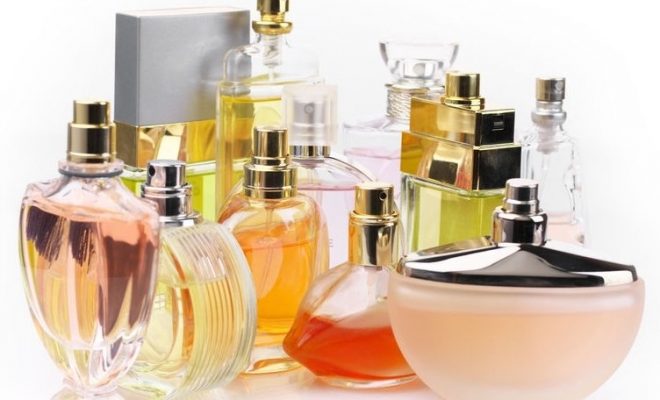
Why Your Perfume Doesn’t Last All Day and What You’re Doing Wrong
By Eseoghene Adakere
There is something really satisfying about leaving home smelling fresh and having someone ask, “What perfume are you wearing?” But when that beautiful fragrance disappears a few hours after application, it can be frustrating, especially when you have invested in a perfume you love.
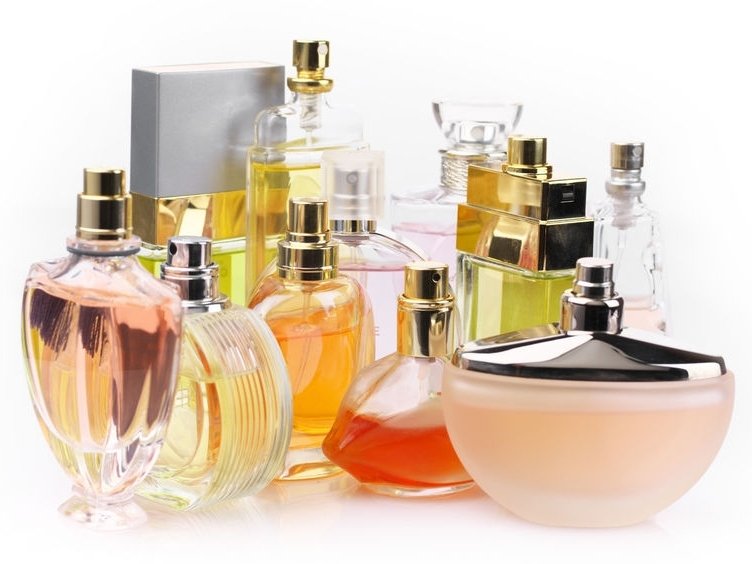
The problem, however, may not always be the perfume itself. How you apply, store and layer your fragrance can determine how long its scent stays with you throughout the day.
One of the most common mistakes is applying perfume to completely dry skin. Fragrance tends to hold better on moisturised skin because the oils in the moisturiser give the scent something to cling to. Applying an unscented body lotion before your perfume can therefore help the fragrance last longer without competing with its scent.
Where you spray also matters. While the wrists and neck remain popular areas, fragrance can be applied to other warm areas of the body, including behind the ears and the inner elbows. These areas produce warmth that can help release the fragrance gradually throughout the day.
There is also a temptation to rub perfume into the skin immediately after spraying it, particularly when applying it to the wrists. This can actually interfere with the way the fragrance develops. Instead of rubbing your wrists together, spray and allow the perfume to dry naturally. The scent is designed to unfold through different stages, from its initial notes to the deeper notes that remain on the skin.
Another factor that is often overlooked is the amount of perfume being applied. More does not necessarily mean longer-lasting. Spraying excessively can overwhelm the senses without significantly improving longevity. A better approach is to apply fragrance strategically and refresh it later when necessary.
Layering can also make a difference. Using products from the same fragrance family, such as a matching shower gel, body lotion or body oil, can help create a stronger scent foundation. If matching products are unavailable, an unscented moisturiser is a simple alternative that allows the perfume to remain the main fragrance.
Your clothes can also carry fragrance for longer than your skin. A light mist on clothing can help the scent linger, but care should be taken with delicate fabrics because some perfumes contain ingredients that may stain or discolour certain materials. Spraying from a reasonable distance is a safer approach.
How you store your perfume matters too. Leaving a bottle on a sunny dressing table or in a hot bathroom may expose it to heat, light and humidity, which can gradually affect the fragrance. A cool, dry place away from direct sunlight is a better home for your perfume.
And then there is the perfume itself. Fragrance concentration varies, meaning some perfumes naturally last longer than others. Eau de parfum generally contains a higher concentration of fragrance oils than eau de toilette, although longevity still depends on the individual fragrance, skin chemistry and environment.
For women living in Nigeria’s heat, fragrance can also behave differently throughout the day. Sweating, humidity and frequent exposure to heat can cause a scent to fade or change more quickly. This makes thoughtful application and carrying a small decant for a midday refresh particularly useful.
Ultimately, wearing perfume is not about making a cloud of fragrance follow you everywhere. It is about finding a scent that complements you and learning how to make it last. With the right preparation, application and storage, your favourite perfume can stay noticeable for much longer without requiring you to empty half the bottle every morning.