
Diagnostic Overshadowing: The Breast We Almost Missed
By Dr Gbonjubola Abiri
She said it almost in a whisper.
“Doctor, there is something going on with my breast.”
The visit was meant to be a routine psychiatric consultation. This elderly woman was being managed for a mental health condition. When I asked if she had any complaints, she spoke softly, almost apologetically. Before she could continue, her children interrupted.
“That’s not why we are here.”
“We came for her mental health.”
“We really need to be going.”
Their focus was clear: the mind. The breast could wait.
After some insistence, I asked to examine her privately. What I found was deeply concerning. The right breast showed changes that were highly suspicious for advanced breast cancer, certainly not something that had started yesterday.
This is unlikely to be a story about careless children or an ignorant patient. It is what we in healthcare call diagnostic overshadowing, when physical symptoms are overlooked because a person carries a psychiatric diagnosis.
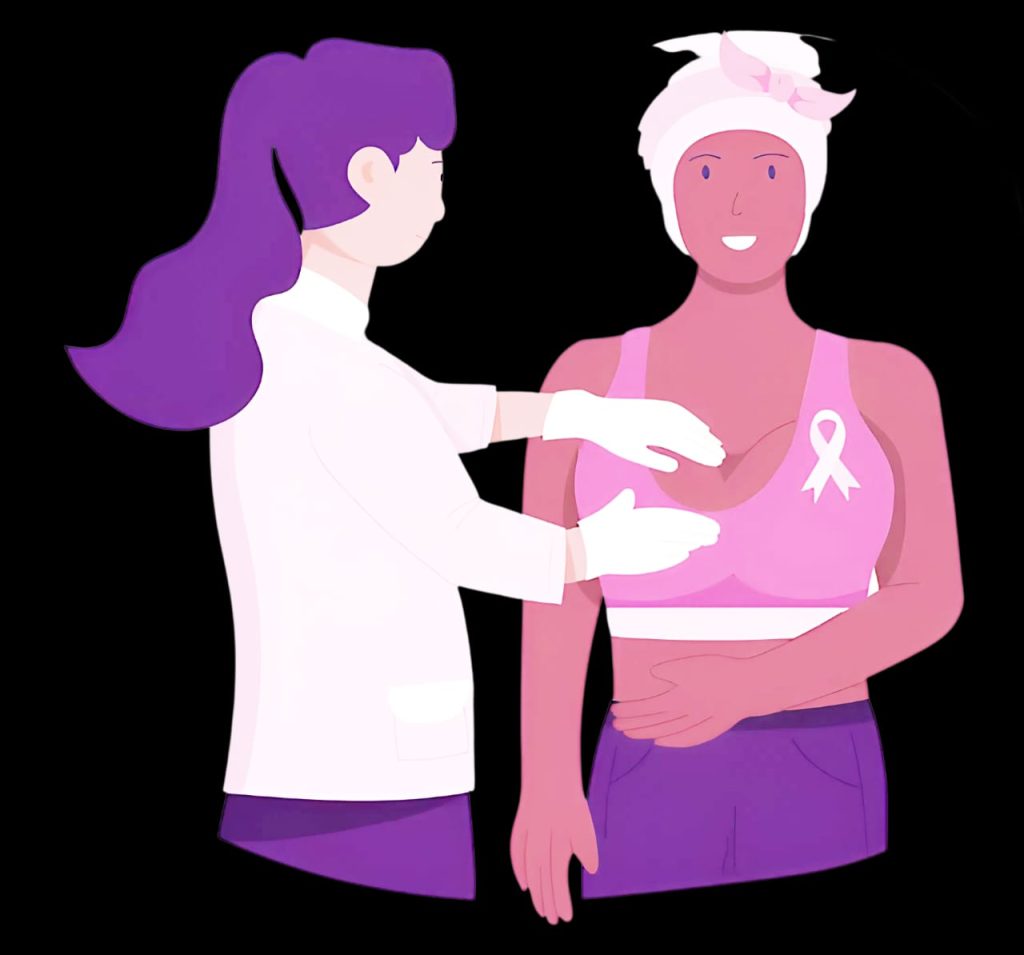
Unfortunately, in societies like ours, once someone is labelled “mentally ill,” everything risks being interpreted through that lens. Fatigue becomes depression. Refusal is labelled ‘psychotic behaviour’. A lump becomes “not today’s problem.”
Family members are often exhausted as a lot of their energy goes into clinic visits and preventing relapses. Suddenly, physical health becomes secondary, especially if the patient doesn’t complain loudly. Even when the patient speaks about their physical health challenge, shame and stigma may play a role.
In some instances, patients minimise symptoms as mental health may reduce motivation, impair judgement or make it difficult to articulate their discomfort. They may feel very hesitant to ‘disturb’ their children, who they already feel are carrying too much.
The body howeve,r does not care about stigma as cancer doesn’t pause because there is depression, nor does diabetes wait because someone has an anxiety disorder. Research consistently shows that people living with severe mental illness die earlier than the general population. This is often from preventable or treatable physical illnesses, as screenings are often missed, complaints dismissed, and systems fragmented. The mind is treated in one building; the body in another.
In real life, however, the body doesn’t separate as mental and physical health are health. One does not cancel the other. One does not deserve priority over the other. They are intertwined, inseparable, and equally urgent.
And so, as clinicians, we must listen carefully, especially when the voice is soft. As families, we must resist the urge to narrow our focus to a single diagnosis. And as patients, we must remember that every change in our bodies deserves attention.
Sometimes the quietest complaint in the room carries the loudest warning. The mind should never overshadow the body.
Remember, there is no health without mental health.