Demystifying Agoraphobia
By Dr. Gbonjubola Abiri
Sewa’s husband was confused about his wife’s condition and unaware on how to support her. She had not stepped out of their gate for a whole year. She was once a thriving beauty consultant who moved across Lagos and major cities in Nigeria. She would speak at conferences and interact confidently with clients.
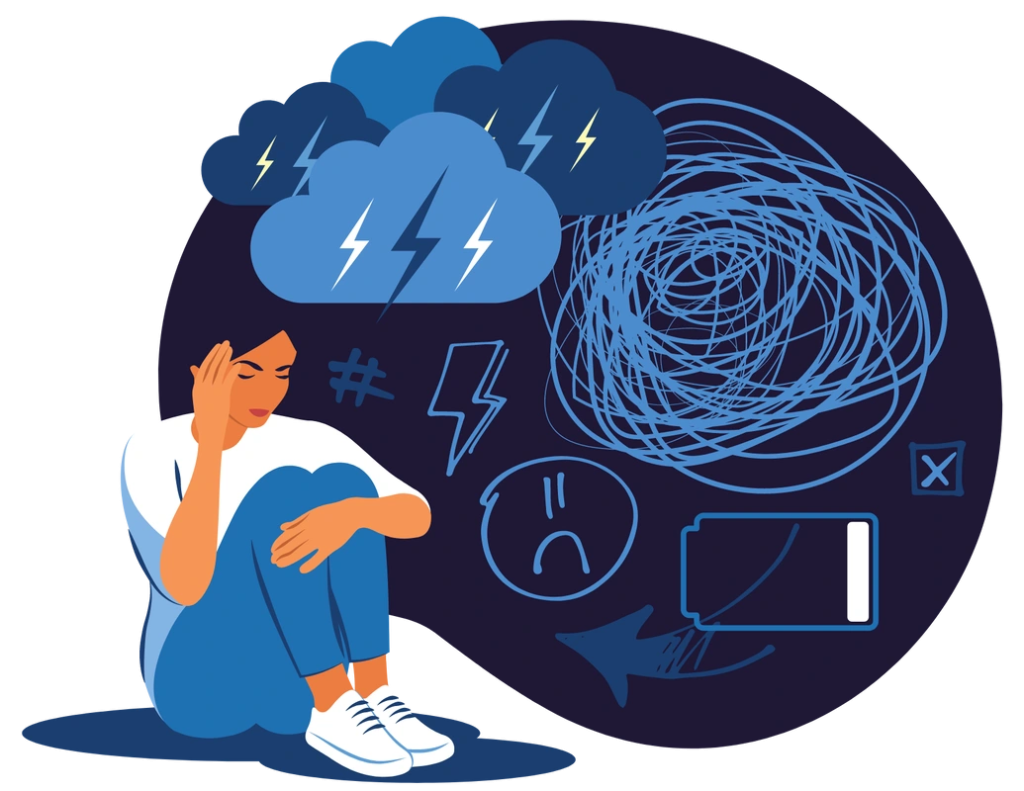
When I eventually met her, she revealed that the symptoms started after a car jacking she witnessed. She explained that she immediately started to feel dizzy, breathless, her heart pounded violently and she felt like she was going to die. She was rushed to the hospital where she was evaluated by various specialists. A barrage of tests were conducted which all returned normal. Doctors explained that she had a panic attack. Although the panic attack resolved, the fear continued.
Months after that incident, she kept worrying constantly about another possible episode. She avoided driving long distances initially, then even short ones became a chore. She stopped entering crowded places such as bars, church and events. Gradually, going to more regular places such as the supermarket became terrifying and then she stopped going out altogether.
“I feel safe only when I am inside Doc” she whispered to me.
Sewa was struggling with agoraphobia, a mental health condition where people are afraid of spaces and situations where escape may be difficult or help will be unavailable should any panic-like symptoms, distress or embarrassment occur. The fear begins to develop after repeated panic attacks as the mind starts to associate certain places such as traffic, shopping malls, concerts, public transport or even open spaces with danger. As the fear heightens, avoidance grows.
The condition quietly steals an individual’s independence, their quality of life, occupational functioning and takes a toll on their relationships.People find it hard to understand why someone who appears physically healthy cannot just ‘go outside’. While many may not understand the condition, agoraphobia is an anxiety disorder where the fear is real and overwhelming to the person experiencing it.
Treatment for agoraphobia is available as affected persons need to understand the initial trigger of the condition. They also need to appreciate that the racing heart, dizziness and other happenings are part of the body’s responses trying to protect them after detecting a threat.
Gradual exposure therapy helps the patients gradually confront the fear, while getting comfortable with it. With Sewa, we started with stepping out of the door, the gate, going on short drives, visiting nearby stores, her office and other places she once feared. The process wasn’t that linear but her confidence started to return over the next few months.
Her last message to me read: ” Doc, I have gotten my life back. Thank you”
Agoraphobia can steal your life, but with proper support, therapy, coping strategies and sometimes medication, recovery is possible.
Remember there is no health without mental health.