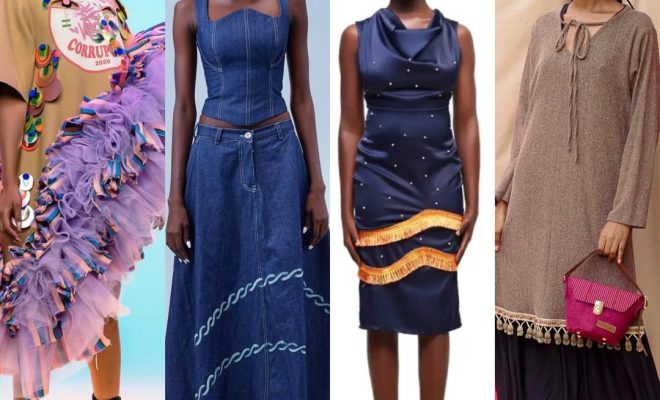
Oluwatomisin Owoade: Revolutionarising eco-fashion
Oluwatomisin Owoade, a young Computer Science graduate turned textile innovator, is redefining Nigerian fashion by blending cultural heritage with environmental sustainability. Through her eco-friendly brand, she breathes new life into faded clothes, transforming them into vibrant Adire masterpieces. Her resilience in the face of initial failure ultimately won her presidential recognition, royal ambassadorship, and a pathway to global expansion.
When Owoade graduated with a Bachelor of Technology in Computer Science from the Ladoke Akintola University of Technology (LAUTECH) in 2015, her path seemed destined for code and servers. However, destiny had a different canvas in mind. Deployed to Kebbi State for her National Youth Service Corps (NYSC) year, she encountered the ancient art of adire and batik textile design through a friend.
Fascinated by the intricate patterns, she mastered the technical basics before seeking out an industrial mass-producer to learn the commercial intricacies of the trade. Armed with technical know-how and marketing savvy, she officially registered her business in 2017.
Though her designs flow primarily from natural inspiration, her tech background occasionally creeps into her creative process, allowing her to utilize IT tools to conceptualize rare patterns.
What truly sets Owoade apart in the competitive world of Nigerian fashion is her commitment to sustainability. Long before “circular fashion” became a global buzzword, she was practicing it out of necessity and a deep sense of environmental responsibility.
“I started out by recycling family and friends’ clothes for free, so as to create awareness. That was how referrals for my business started,” Owoade recalled.
Her process targets 100% cotton garments that are otherwise doomed to rot in dump sites. By tying them into intricate new patterns and submerging them in rich dyes, she transforms faded, sentimental favourites back into pristine, wearable art. For her, it is a dual victory: preserving a client’s cherished memories while keeping textile waste out of overflowing landfills.
Owoade’s journey to national acclaim was not without its hurdles.
In 2020, she applied for the prestigious National MSME Award, organised by the Office of the Vice President of Nigeria. While she secured a nomination and was named a Brand Ambassador for the MSME Survival Fund, even seeing her face brand the Bank of Industry Headquarters in Abuja, she did not walk away with the ultimate prize.
“I was disappointed and pained at the same time,” she admits. “But I encouraged myself because it meant I was on the right path and my business was viable.”
That resilience paid off handsomely.

Reapplying in 2022 under the Creative Arts Category for the 5th Edition of the Awards, Owoade found herself invited to the ultimate seat of power: the Aso Villa in Abuja. This time, her name was called as the winner of the MSME Award of Excellence in Creative Arts an honour that came with a brand-new car and a cash prize.
The recognition didn’t stop at the presidency. Her victory caught the attention of His Imperial Majesty, the Oba Adeyeye Ogunwusi, the Ooni of Ife. The monarch played host to the awardees to a royal dinner at his palace, naming them Southwest MSME Ambassadors and equipping them with further cash gifts and laptops.
Today, Owoade is no longer just a local entrepreneur. Backed by the Nigerian Export Promotion Council (NEPC), which sponsored her award category and facilitated her export licensing and training, she is looking far beyond Nigeria’s borders. She is currently studying International Business by Research at the University of Gloucestershire to take her sustainable Adire brand to the global stage.
Despite her rising international profile, Owoade remains deeply rooted in community service, having served as a social welfare officer and textile design trainer for youth empowerment programs.
When asked how Nigeria can better support her vibrant entrepreneurial ecosystem, the seasoned designer emphasises that the government’s approach must evolve.
“Nigeria’s greatest asset is her young people,” she asserts.
“To unlock our full potential, government support should go beyond grants and focus on creating an environment where young entrepreneurs can start, grow, and sustain successful businesses.”
She however advocates for structural overhauls: simplified access to affordable funding, practical vocational training, stabilised electricity, and robust infrastructure.
For Owoade, the blueprint for national prosperity is clear, by backing young creators with sustainable policies, Nigeria can transform her youthful resilience into an economic powerhouse.