
When Lagos Traffic Follows You Home
By Dr. Gbonjubola Abiri
At 5:30 a.m., Gbemisola was already awake.
She had a 9:00 a.m. meeting at work, but her mind was already calculating something else: “How will I get to work on time, drop the children at school and still pick them up later?”
By 6:15 a.m., she was on the road. And then Lagos happened.
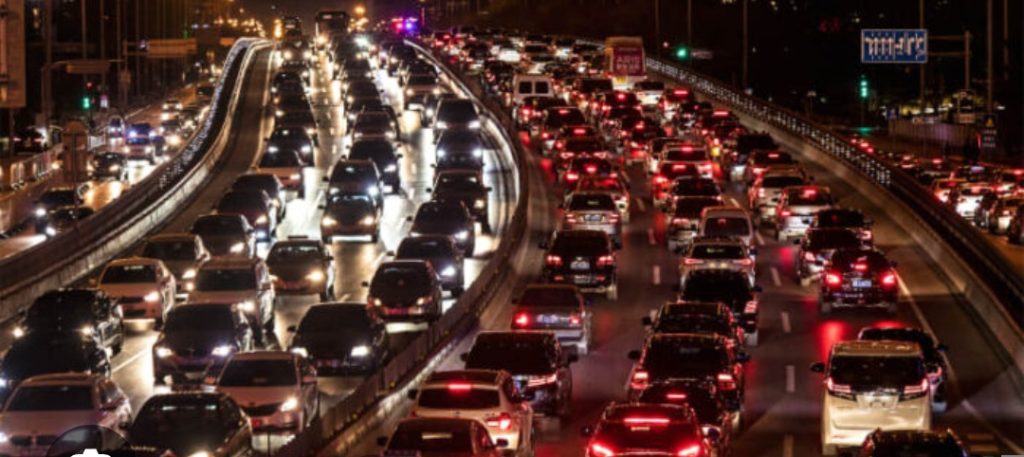
The traffic started gradually. A few cars became dozens, and dozens became hundreds. Soon, Gbemisola was staring at what seemed like an endless queue of vehicles.
She checked the time. 7:12 a.m, 7:28 a.m.
The cars were barely moving. Her shoulders tightened. She called the children’s school and then her office.
“I’m on my way.”
She wasn’t lying. She was on her way. But Lagos traffic had other plans.
By 8:30 a.m., she was still on the road.
Her phone rang again.
“Where are you?”
By now, Gbemisola was doing mental mathematics.
If I get to work by 9:15, attend the meeting, finish this task by 2:30, leave by 2:45, maybe I can still get to the school before they close.
Then came another thought:
What if I can’t?
Suddenly, the traffic was no longer just traffic.
It was work, motherhood, responsibility and guilt.
It was the fear of disappointing everyone.
By the time Gbemisola eventually got to work, she was already exhausted. She had not done any physical labour that morning. She had simply been sitting in a car. But her mind had been working overtime from constant alertness.
Traffic is not only a transportation problem. It can also become a mental health problem. Long and unpredictable commutes can expose us to prolonged frustration, noise, heat, uncertainty and the feeling that we have little control over our time. When this happens repeatedly, it can contribute to irritability, emotional exhaustion and stress.
For people like Gbemisola, there is another layer. Traffic does not simply delay her; it threatens everything she is trying to coordinate; work, her children, time for herself, shopping for the home and much more.
We may not be able to control Lagos traffic, remove every pothole or change every driver’s behaviour, but we can sometimes control what we do while we are stuck.
Listen to music, pray. listen to a podcast, have a meaningful conversation or simply sit quietly. And sometimes, if you genuinely do not need to go out, staying home may be the wiser choice.
Notice when your body begins to tense. Relax your shoulders. Unclench your jaw. Take a slow breath.
Remind yourself: “I am delayed. I am frustrated. But I don’t have to become the frustration.”
Most importantly, let us stop measuring our worth by how perfectly we manage the impossible as sometimes, despite our best planning, Lagos will simply win that round.
It does not make you a bad employee or a bad parent. It makes you human.
Sometimes, protecting our mental health in Lagos is not about finding a traffic-free life. It is about learning not to carry the traffic home with us. It is tough, but we must keep trying to focus on what we can control.
Remember there is no health without mental health.
Dr. Gbonjubola Abiri is a consultant Psychiatrist, Associate Lecture and Mental Health Advocate