
The Allure of Thrift Clothes
By Rita Okoye
For years, second-hand clothing, popularly known in Nigeria as okrika or bend-down-select, has provided an affordable alternative to buying new clothes.
From market stalls to roadside vendors, shoppers have long searched through piles of imported garments for quality pieces at pocket-friendly prices.
Today, however, thrift fashion is evolving beyond necessity. Students, young professionals and fashion enthusiasts are embracing pre-owned clothing for its affordability, distinctive designs and growing association with sustainable fashion.
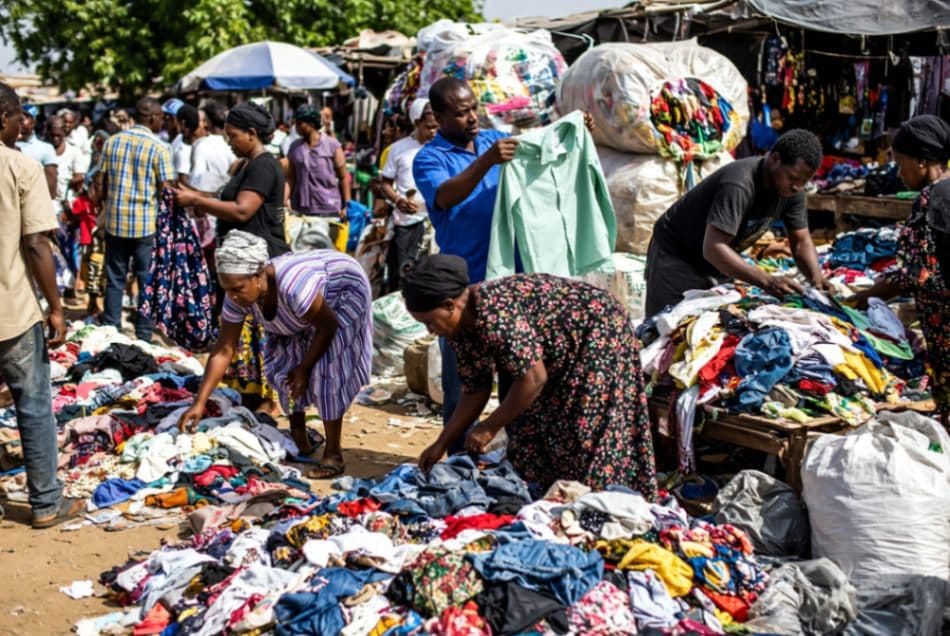
“I have been shopping for okirika since my SS2 days. From Alaba Suru to Yaba Market, where I now source quality ‘stock’ or first-grade thrift clothing as an undergraduate, I have learnt how to find stylish pieces at affordable prices. Thrift fashion has been a lifesaver for me, allowing me to look elegant and expensive without spending a fortune,” said Blessing Ozumba, a Microbiology student at Lagos State University.
From vintage denim and oversized jackets to designer handbags and unusual dresses, thrift shopping lets consumers build individual styles without spending heavily on new clothing.
For some, the attraction is economic. For others, it is the excitement of finding unique pieces that stand apart from mass-produced fashion.
From Market Stalls to Social Media
Digital platforms have transformed Nigeria’s thrift business. While traditional traders continue to attract shoppers in physical markets, online entrepreneurs reach customers through Instagram, TikTok, and WhatsApp.
Many digital sellers curate their collections by photographing individual garments and organising them by style, brand, or occasion. This approach offers convenience to shoppers who prefer browsing online to searching through crowded market stalls.
However, online thrift shopping has its challenges. Photographs may not show stains, worn areas, or other defects, and sizing and colour can differ from what customers expect. Buyers are therefore advised to request clear pictures, accurate measurements, and honest descriptions before paying.
“Yes, I also shop online when I don’t have the time to visit Yaba Market. However, I stick to trusted vendors because I don’t take everything I see online at face value. Pictures can sometimes be misleading,” Ms Ozumba added.
Traditional markets let you inspect garments before buying, though quality and pricing still vary.
Style, Quality and the Hygiene Question
One of thrift fashion’s biggest attractions is the opportunity to discover distinctive clothing at relatively affordable prices. But inexpensive doesn’t always mean good value.
Shoppers should examine stitching, zips, buttons, fabric condition, and signs of wear. Those buying branded items should also question authenticity claims, especially for expensive designer pieces.
Hygiene is another consideration. Inspect and wash or professionally clean second-hand garments, depending on their fabric and care requirements, before wearing them. Shoes, bags and delicate materials may require specialised cleaning.
With proper inspection and care, pre-owned clothing can add a practical, stylish option to any wardrobe.
“Before wearing thrift clothes, I soak, wash and iron them thoroughly. Interestingly, the clothes I buy from my thrift vendors tend to last longer than many of the new clothing brands,” another Lagos State University student, Lucy Okafor, said.
Is Thrift Fashion Sustainable?
Beyond affordability, second-hand shopping has gained attention as an alternative to constantly buying and disposing of new clothing.
Reusing garments can extend their lifespan and potentially reduce demand for newly manufactured items. Alterations and repairs can further prolong their usefulness.
However, buying second-hand does not automatically make a wardrobe sustainable. Purchasing more clothes than necessary, even at low prices, can still encourage overconsumption. The benefits are greater when shoppers choose items they genuinely need and intend to wear repeatedly.
International trade in used clothing also raises concerns about waste, especially when garments are unsuitable for resale or reuse.
A Changing Fashion Culture
The growth of thrift fashion has created opportunities for traditional traders, digital entrepreneurs, tailors and clothing repairers. While market vendors depend on sourcing desirable stock and maintaining customer relationships, online sellers must also manage photography, packaging, delivery and customer service.
Prices may differ between the two channels because of sourcing costs, garment quality, rarity, and the extra work involved in curating and presenting items.
Ultimately, thrift fashion reflects a changing relationship with clothing in Nigeria. What was once seen largely as a budget alternative is increasingly valued as a way to express individuality and discover unexpected fashion treasures.
After all, dressing well does not always require buying something new. Sometimes, great style begins with discovering fresh possibilities in something that already exists.


