Owambe Collection A Critical Review
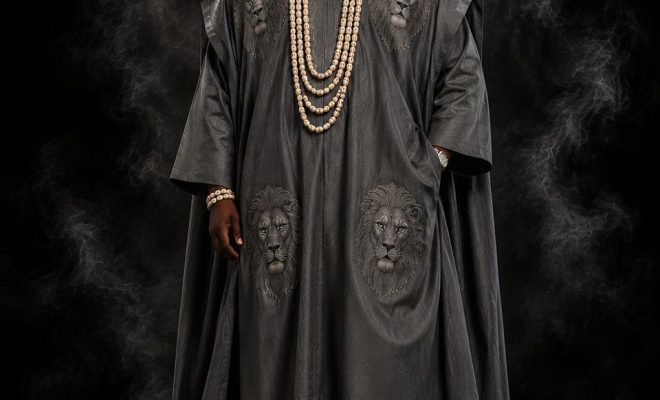
The Owambe Collection by Bright Urhobo creative director of Ranto Clothings positions itself firmly within the cultural theatre of celebration, status, and visibility that defines West African social life.
Rather than treating “owambe” as mere spectacle, Urhobo approaches it as a social language one that communicates power, femininity, and communal pride through dress. The result is a collection that is confident, unapologetic, and deeply aware of its cultural roots.

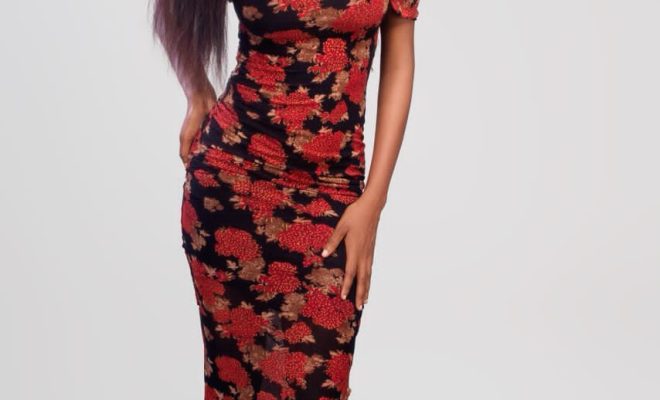
The strength of Owambe lies in its command of form and embellishment. The style are sculpted with precision, emphasizing structure over excess. Bodices are engineered to shape and support, while the elongated lines of the skirts create a statuesque presence. These garments are designed to occupy space with authority, aligning with the social purpose of owanbe attire: to be seen, recognized, and remembered.
Surface design plays a critical role in the collection’s impact. Beadwork, sequins, and embroidery are densely layered, yet thoughtfully controlled. Rather than scattering decoration indiscriminately, Urhobo uses embellishment to direct the eye and reinforce the body’s architecture. This approach demonstrates technical maturity, though at moments the visual density borders on saturation. Still, this excess feels intentional, echoing the cultural reality of celebratory dressing where restraint is rarely the objective.
Color selection reinforces the collection’s narrative. Rich pinks and jewel tones dominate, projecting joy, femininity, and prestige. These colors are not softened for universal appeal; instead, they are allowed to assert themselves fully. This commitment strengthens the collection’s authenticity, even if it limits tonal experimentation. The palette serves the concept well, prioritizing cultural clarity over trend-driven diversity.
One of the most compelling aspects of Owambe is its treatment of the body. The collection celebrates fullness and strength rather than idealized fragility. The designs frame the wearer as powerful and composed, challenging narrow beauty standards often imposed within formalwear. This inclusivity feels organic to the work, not performative, and reinforces the collection’s relevance within contemporary fashion discourse.
Conceptually, Owambe favors quality over quantity . It does not roughly reimagine ceremonial fashion, but it elevates it with discipline and coherence. This may limit moments of surprise, yet it also lends the collection stability and credibility. Urhobo appears less interested in shock value than in asserting a clear, consistent design identity.
In conclusion, Owambe stands as a confident and culturally grounded collection that understands its audience and purpose. Hence, I will give it a 9 over 10.