How GTCO Is Quietly Building Nigeria’s Most Accessible Food Economy
By Yemisi Suleiman
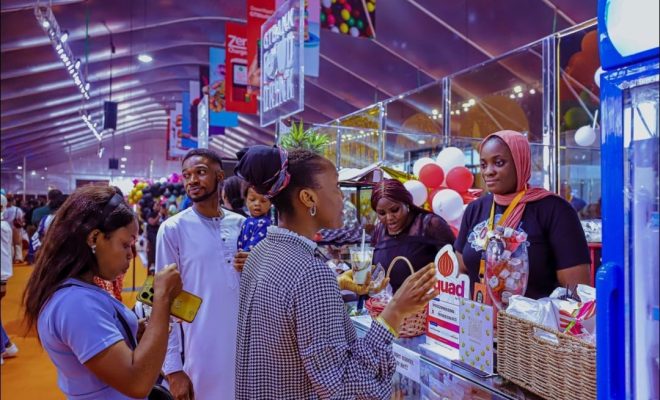
The smell of roasted corn, sizzling suya and freshly prepared local dishes filled the air as thousands gathered for the GTCO Food and Drink Festival, held from May 1 to 3. From bustling food stalls to long queues and lively conversations, the atmosphere was vibrant, energetic and unmistakably Nigerian. But beyond the colours and flavours, something more structured was taking shape, a thriving, temporary economy.
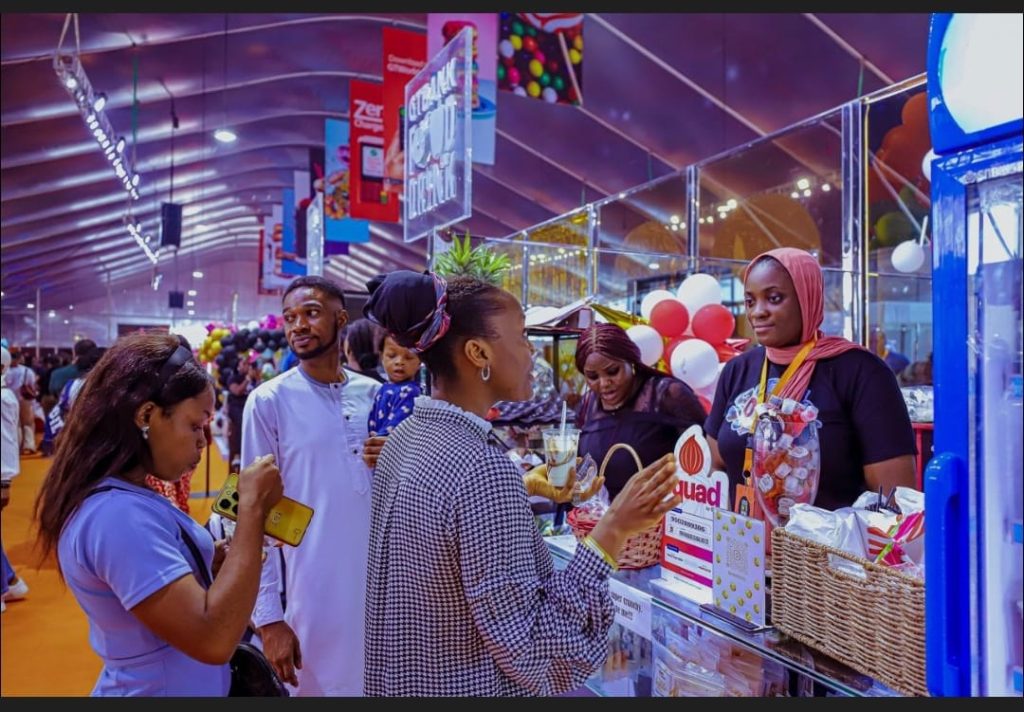
This is where the festival reveals its deeper purpose–a carefully built platform where small food businesses gain access to visibility, customers and opportunity at an escalated scale. Entry barriers are lowered, making growth possible within days.
For vendors like Elizabeth Owei-Oladepo, founder of Zero Seven Foods, the impact is both immediate and strategic. Her company, which produces health-focused Nigerian staples such as yam flour, unripe plantain flour and traditional snacks, already operates within retail spaces across Lagos. Yet, the festival offers something different — direct access to consumers.
“The turnout has been impressive,” she says. “Beyond sales, we are gathering data from customers that helps us make better decisions about our products. We are getting real-time feedback and reconnecting with people who have used our products before.”
That direct interaction is a powerful business tool. It allows brands to test, adjust and improve instantly, something that would typically take months through traditional retail channels. For Owei-Oladepo, it has also opened doors to new partnerships and expanded her customer base.
The current economic climate has also shaped how vendors engage with consumers. With food inflation on the rise, many exhibitors adjusted their pricing to remain accessible. “You find vendors offering discounts of up to 20 per cent,” she explains. “It is helping both businesses and families during this period.”
For first-time participant Abimbola Ige, the experience was both overwhelming and validating. Her Nigerian-made tea brand, Organic Garden, quickly drew attention from attendees curious about locally produced blends.
“We sold out on the first day by 5pm,” she recalls. “We were not expecting that level of turnout. Today has been even bigger.”
What stood out most, however, was the reaction to her product. Many customers were surprised that the teas were made in Nigeria. “People keep asking if it is truly Nigerian, and when they realise it is, they are excited. It makes you proud,” she says.
That moment of discovery, when consumers encounter a local brand for the first time, is where the festival’s real value lies—It creates visibility, builds credibility and accelerates acceptance.
Consumer behaviour across the festival also tells its own story. Visitors moved easily between traditional meals and more contemporary or international options, suggesting a market that is both rooted and evolving. Local favourites such as amala, suya and nkwobi continued to draw strong demand, while newer offerings attracted curious and open-minded buyers.
Beyond buying and selling, the festival also invested in knowledge. Masterclasses led by international chefs provided insights into food preparation, presentation and global trends. For many small business owners, these sessions offered practical skills that could improve both product quality and overall business operations.
At the centre of it all is GTCO’s role as an enabler. By providing free retail spaces and bringing together a large audience, the platform removes some of the biggest barriers small businesses face, cost and access. As Group CEO of GTCO, Segun Agbaje notes that the festival is built on the idea that food connects people, while also creating opportunities for enterprise and growth.
Even with its success, vendors acknowledge areas for improvement, particularly around the distribution of foot traffic across different sections. Yet, the general consensus remains positive, the platform works, and it delivers value.
For attendees like Dominic Varghese, the experience goes beyond consumption. “This is a wonderful place to be,” he says. “Everything is professional, vibrant and enjoyable. We would love to see more experiences like this.”
In the end, what the festival offers is more than a weekend experience. It provides a glimpse into the future of food as business in Nigeria, one where small brands are not limited by scale, and where a single entrepreneur can move from obscurity to recognition within a matter of days.
The gains are immediate: increased sales, wider visibility, customer insights and new partnerships. But the long-term impact is even more significant. Platforms like this are gradually redefining what it means to run a small food business, turning one-person ventures into structured, scalable brands.
The GTCO Food and Drink Festival is, in many ways, doing more than feeding a crowd. It is quietly building an ecosystem, one that supports growth, encourages innovation and signals a future where Nigeria’s food economy is not only accessible, but sustainable.