The Luxury of Roots: Why Heritage is the New Prestige
By Josephine Agbonkhese
In an era once defined by craze for everything non-indigenous and, in fact, Western, a more intimate form of prestige is taking center stage and that’s heritage.
Across fashion, lifestyle, and identity, the most compelling statement today is not just what you wear or own, but where you come from and how boldly you carry it.
Heritage is increasingly becoming no longer something to ‘modernise’ away from but something to return to, reinterpret, and elevate.
Identity and status
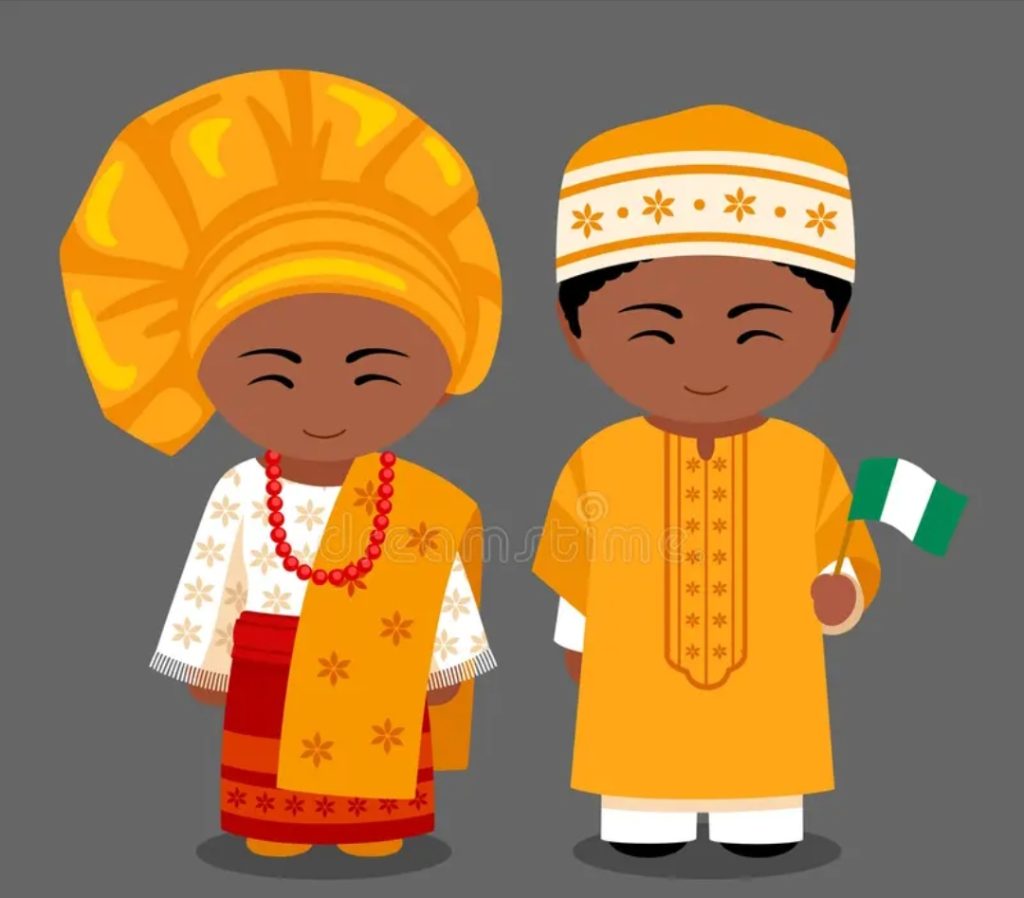
The rise of heritage as prestige is clearly not accidental but a response. For a generation raised on global sameness, authenticity has become the ultimate differentiator. Thus, wearing traditional African prints such as aso-oke and Ankara, tying gele, or speaking one’s mother tongue fluently in elite spaces, now carries a kind of quiet power that was once the preserve of designer monograms.
Although cultural pride has always existed in Nigeria, this new shift feels deeply exceptional as it’s being reframed as luxury itself.
The craftsmanship of handwoven fabrics, the symbolism of traditional attire, the rituals of hometown celebrations—these are no longer confined to ceremonies. They are statements of identity, belonging, and influence.
Chioma Goodhair’s visit to hometown
Few recent moments capture this shift. One of such was popular influencer and entrepreneur, Chioma Ikokwu’s visit to her hometown, Oba, in Anambra State.
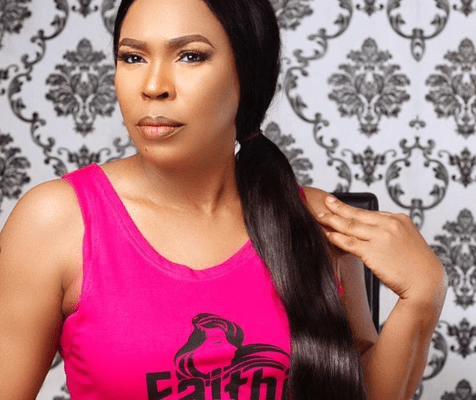
Known for her polished, cosmopolitan aesthetic and thriving business empire, Chioma’s iconic visit for a special ceremony was not just a personal homecoming but a cultural statement as shown by images shared on her verified Instagram handle.
Chioma Goodhair, as fondly called, shared images of herself adorned in rich traditional attire, embodying a seamless blend of modern success and ancestral pride.
Beyond garments, the fabric echoed narratives of woven histories draped with intention. Her presence in her hometown, engaging with her roots while maintaining her global persona, struck a chord across social media.
Even more thought-provoking were her preferred captions for the various posts: “I love my culture. Proudly Igbo. “I look forward to the day I would be decorated with such an honor” (referring to the Iyom chieftaincy title her two aunts had been honoured with).
Influential figures like Obinna Iyiegbu, popularly known as Obi Cubana, whose public embrace of cultural identity has redefined what elite status looks like in Nigeria, is another perfect illustration. Incidentally, Cubana hails also from Oba in Anambra State. Cubana’s rise has been marked not just by wealth, but by his visible investment in community, tradition, and the celebration of Igbo culture on a grand scale. His events, often steeped in cultural symbolism, have become benchmarks of a new kind of luxury—one rooted in belonging rather than detachment.
Prestige in community
What makes heritage the new prestige is its inherent exclusivity—not in price, but in authenticity. Anyone can purchase a luxury item, but not everyone can claim a lineage, a dialect, a set of traditions that anchor them in history.
This is why hometown visits, once seen as routine or even obligatory, are now curated experiences. They are documented, styled, and shared—not as spectacles, but as affirmations. The dusty roads, the ancestral homes, the elders, the ceremonies—all become part of a narrative that says: I know where I come from, and that knowledge is power.
For public figures, this is especially potent. It humanizes success. It connects wealth to origin. It tells a fuller story.
Peter Okoye’s recent visit to his hometown, Dunukofia, co-incidentally also in Anambra State, in which he shared beautiful moments of himself relishing fresh palm wine, and attested to the serenity he enjoyed, adds another layer to this evolving narrative. Known globally as one half of P-Square, Peter has long embodied the height of Afrobeats success—international tours, chart-topping hits, and cross-continental influence. But in sharing moments from his time back home, he shifted the lens from global acclaim to personal origin.
The images were simple, yet resonant: familiar surroundings, community presence, a slower rhythm of life. The power of the moment lay in its authenticity.
What makes these visits compelling is not just nostalgia—it’s intention. Figures like Peter are not retreating from modernity; they are integrating it with heritage. They are showing that success does not require cultural detachment. In fact, it may be strengthened by cultural alignment.
Fashion as culture
Designers and stylists are also leaning into this shift. Traditional textiles like adire, akwete, and aso-oke are being reimagined for contemporary wardrobes, not diluted but elevated. The global fashion audience is paying attention, but more importantly, local consumers are reclaiming these styles with renewed pride.
Wearing traditional attire is no longer reserved for weddings or festivals. It is appearing at high-profile events, business meetings, and even international platforms. The message is clear: cultural identity is not a limitation—it is an advantage.
Emotional dimension
Beyond aesthetics and status, there is an emotional dimension to this movement. In a fast-paced, hyper-digital world, roots offer grounding. They provide continuity in a time of constant change.
This is perhaps why Chioma Goodhair’s hometown images resonated so widely. They weren’t just beautiful—they were meaningful. They reminded people of their own origins, their own stories waiting to be revisited or reinterpreted.