25 Years After Beijing: How Have Women Fared?
Words By -Josephine Agbonkhese
Today is International Women’s Day. Nigeria joins the rest of the world to commemorate the day set aside to, annually, highlight the achievements of women, give opportunity to challenge stereotypes, and channel efforts towards gender equality.
Tagged ‘I Am Generation Equality: Realising Women’s Rights’ with the campaign theme #EachforEqual, this year’s celebration is significant for a number of reasons.
Firstly, it marks the 25th anniversary of the Beijing Declaration and Platform for Action adopted at the 4th World Conference on Women held in Beijing, China in 1995.
Secondly, this year represents a five-year milestone towards achieving the Sustainable Development Goals, SDGs. Thirdly, it is also the 20th anniversary of the UN Security Council resolution 1325 on women, peace and security. Fourthly, it is the 10th anniversary of UN Women’s establishment; a UN organ dedicated to the growth and empowerment of women worldwide.
In commemoration of this great event, Allure spoke with activists from different generations who have been in the fore front fighting for gender equality. In this encounter, they take stock of progress made, and highlight roadmaps for accelerating the achievement of gender equality in Nigeria.
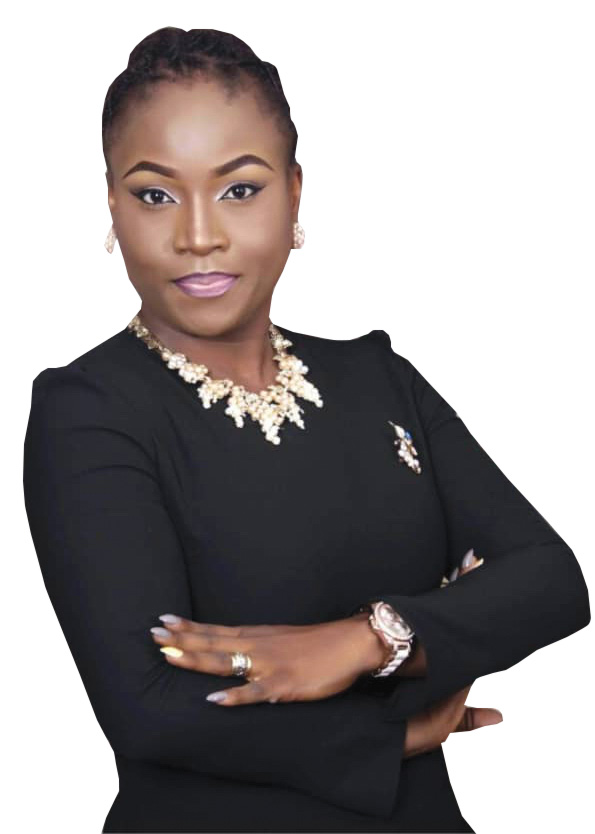
Mary Ikoku, Founder, Working Moms
Where are we with gender equality?
We have made a lot of gains in different sectors; especially education, health, career and politics. Also, more women are no longer afraid to speak out and fight for their rights.
However, women still face discrimination in the work force, school and even in sports! The political climate in Nigeria today is attacking the progress that we have made in our fight towards political inclusion and equality. The 25th anniversary of Beijing provides us with a strategy to continue our fight.
How gender-aware are the generations born after 1995?
Though the generation born after 1995 may have gained from policies and programs of the Beijing Declaration, understanding gender issues can only be learned and implemented by those who show interest in issues that concern women. This is because culture and religion still influence our families and communities as we grow up.
Women Still Face Discrimination In Work Force
Would you agree that culture and tradition are stumbling blocks to attaining gender equality in Nigeria?
Of course. These are two things that have held us back as a people. Until we shatter these walls, we will keep crawling behind.
Moving forward, how can government be held accountable to respect international conventions to which they are signatories?
For government to be accountable, there must be sanctions and penalties for non compliance. More than ever, we need to revisit the Beijing Platform for Action, and remind ourselves of its importance.
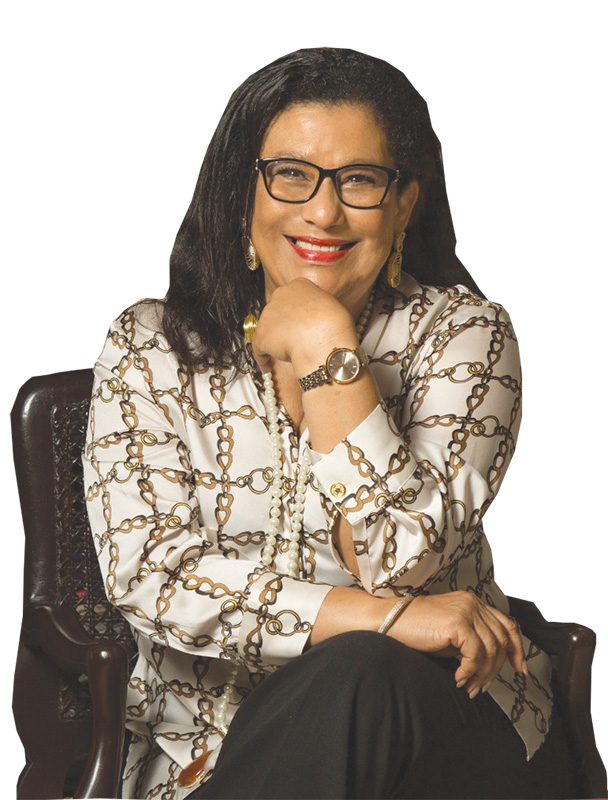
Laila St. Matthew-Daniel, Founder,ACTS Generation
Where are we with gender equality?
Unfortunately, 25 years after Beijing, women still lag behind on virtually every target for the SDGs. The gap is even wider for women who have disabilities, and women in minority and indigenous communities.
How gender-aware are the generations born after 1995?
It has been a long haul trying to get people to understand what gender equality is all about. But from about 2000, the awareness has gradually grown among them. One finds that young women are more ready to advance the cause of gender awareness, not only among themselves, but generally.
Would you agree that culture and tradition are stumbling blocks to attaining gender equality in Nigeria?
Career Politicians SlowingProgress For Women
Culture and tradition form a greater part of the reason why it has been a herculean task in attaining gender equality in Nigeria. But groups of men and women are doggedly pursuing this challenge because there is a growing awareness that getting women involved in all spheres of the society, enables them to contribute to the growth and development of the Country.
Moving forward, how can government be held accountable to respect international conventions to which they are signatories?
Women groups and other organisations need to continue the awareness programs being held all over the country, and keep demanding that the government respects the international conventions to which they are signatories. Government needs to come to an awareness that women form about 49% of the country’s economy and without their inclusion in politics and decision making positions, the growth and development of the nation will continue to be stunted.
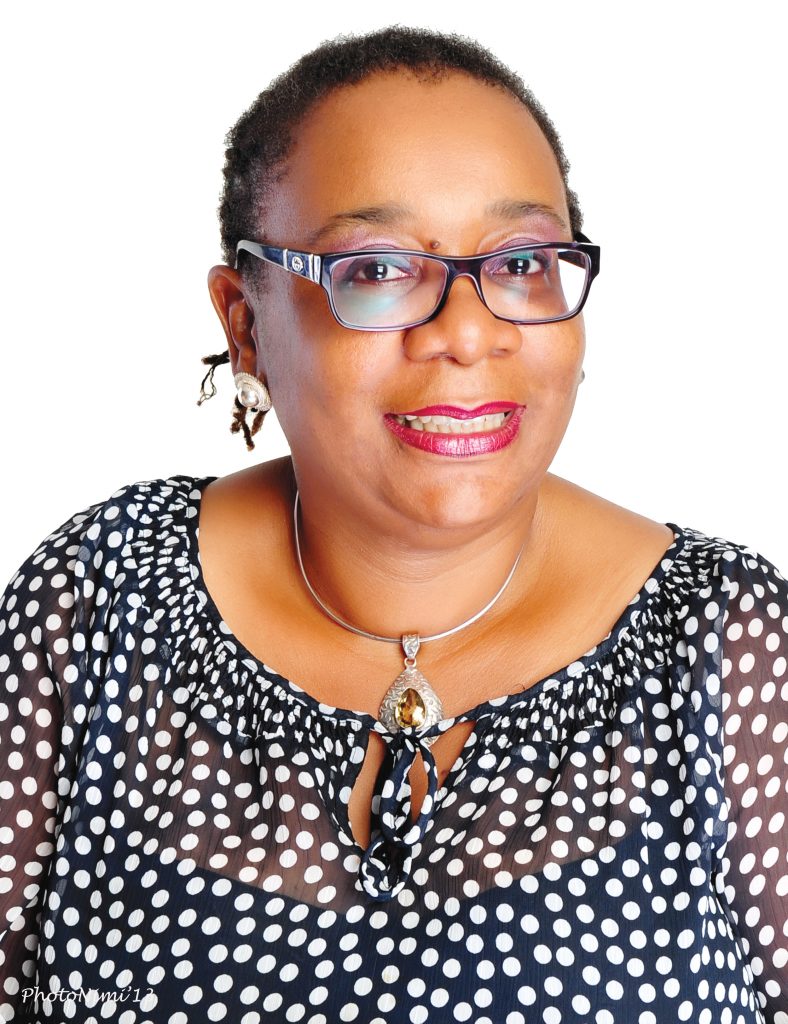
Iheoma Obibi, Executive Director, Alliances for Africa
Where are we with gender equality?
We are where we are with gender equality having made extensive progression since 1995 on understanding the dynamics, structures of oppression women face, institutional remedies and enforcement mechanisms. We need to be better at implementing polices in order to provide reassurance that things are improving. We have retrogressed in many areas.
How gender-aware are the generations born after 1995?
I suspect they may not completely appreciate the efforts of those that campaigned and won concessions from our governments on the Beijing Platform for Africa, sexual/reproductive rights, etc. The reality is that since then, there has been a consistent growth of religious intolerance and convergence on ethnic bigotry and national identity. All of these have affected the ability of even the most persistent person, to understand the myriad of issues around gender equality. Social media has created space for better awareness on these issues and the opportunity for anonymous discussions.
Would you agree that culture and tradition are stumbling blocks to attaining gender equality in Nigeria?
As a committed and self-identifying feminist, I question the assumption always made that culture and tradition are stumbling blocks; and my reasons are simple. In interrogating my experiences, what I have come to see as stumbling blocks are the excuses individuals and society resort to when they fall short in respecting the rights of women. My experiences categorise religious fundamentalism and biased interpretation of religious texts, as the biggest stumbling blocks, followed by the inability of religious followers to READ their religious texts and understand exactly what is being said. Culture and tradition are therefore, used to reinforce the subjugation of women. They are used to justify a bias that favours one gender over the other.
Religion, Biggest Stumbling Block To Gender Equality
Moving forward, how can government be held accountable to respect international conventions to which they are signatories?
Yes, government should be held accountable as signatories to all the international conventions they have signed.
We should continue our advocacy for better enforcement mechanisms to ensure that this is possible. In many states, we have adequate laws in place. What we are struggling with is the political will for adequate budget lines and enforcement mechanisms to be in place to protect the rights of women.
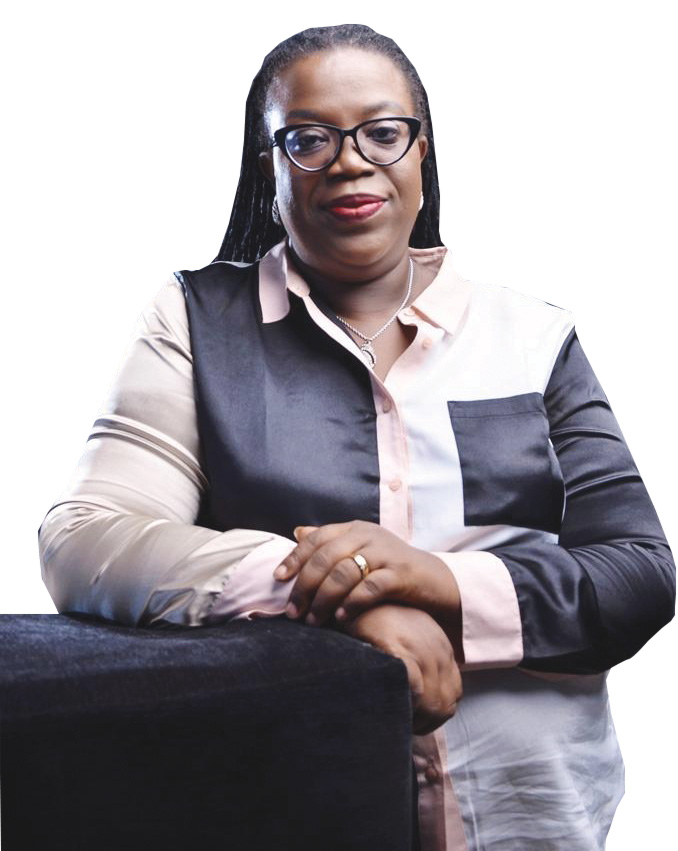
Dr Abiola Akiyode-Afolabi, Founder,Women Advocates Research & Documentation Centre
Where are we with gender equality?
Fair assessment is that the rights of women have developed more, gender machineries are now in place in most countries, and laws have been passed to support women’s rights. In political participation too, women have had some gains. However, all these are still marginal. Women’s right is yet to reach a state of global appreciation. The gains at times are eroded and most times, we have to start all over again. Women are the worse hit in conflict. Yet, they are never consulted in resolution processes. By now, women should be key to conflict resolution.
Women still die in circumstances that are preventable while giving birth. The follow-up Millennium Development Goals and Sustainable Development Goals emphasised gender mainstreaming and equality. Yet, women cannot find their voice even in the best democracies in the world. Gender equality can only be achieved if we are all committed to it.
How gender-aware are the generations born after 1995?
The new generation are fast learners and well-equipped. Though they met the rot, they are more skilled to address it. They have better opportunities than the once ahead of them and also have more mentors. But they need more capacity and inter-generational support to be able to address the myriad of problems ahead of them. The social media has been put into use as a space for mobilisation; a more coordinated effort can make them the generation that will bring the dream of Beijing alive.
Culture, Tradition Must Shift Entirely
Would you agree that culture and tradition are stumbling blocks to attaining gender equality in Nigeria?
Culture and tradition form a greater part of the reason why it has been a herculean task in attaining gender equality in Nigeria. But groups of men and women are doggedly pursuing this challenge because there is a growing awareness that getting women involved in all spheres of the society, enables them to contribute to the growth and development of the Country.
Moving forward, how can government be held accountable to respect international conventions to which they are signatories?
Women groups and other organisations need to continue the awareness programs being held all over the country, and keep demanding that the government respects the international conventions to which they are signatories. Government needs to come to an awareness that women form about 49% of the country’s economy and without their inclusion in politics and decision making positions, the growth and development of the nation will continue to be stunted.
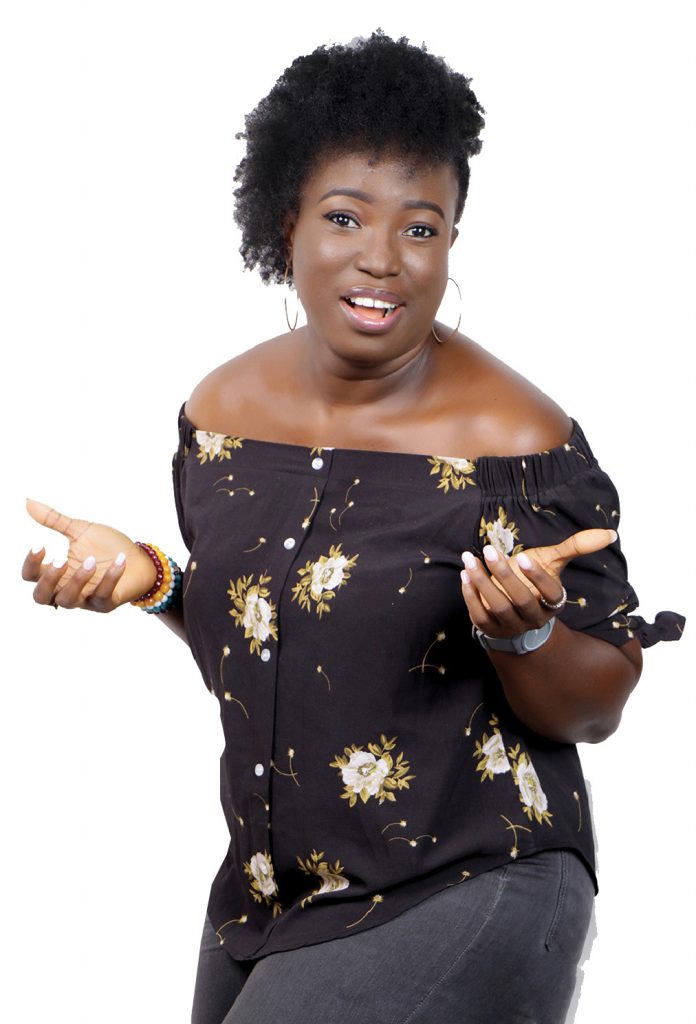
Bukky Shonibare, Founder, Girl Child Africa, SheTV and Adopt-A-Camp
Where are we with gender equality?
WWhile we may be making progress in closing gender inequality gaps, results show we still have a long way to go. For proper context, gender equality is about ensuring both sexes have equal access to resources, rights, opportunities, and social goods. Recent data by the Centre for Democracy and Development (CDD) shows that in the 2019 elections, of the 2,970 women that contested for different positions, only 69 were elected. This 4.64% is a decline from the 5.65% that it was in the 2015 to 2019 period. Of 109 Senators, only 8 (7.34%) are women; of 360 House of Representative members, only 13 (4.48%) are women; of 944 seats in State Houses of Assembly, only 44 (4.66%) are occupied by women; and with no female Governor, only 4 women (11.11%) out of 36 are Deputy Governors.
How gender-aware are the generations born after 1995?
It has been a long haul trying to get people to understand what gender equality is all about. But from about 2000, the awareness has gradually grown among them. One finds that young women are more ready to advance the cause of gender awareness, not only among themselves, but generally.
It Is Not Enough To Sign International Laws
Would you agree that culture and tradition are stumbling blocks to attaining gender equality in Nigeria?
Culture and tradition form a greater part of the reason why it has been a herculean task in attaining gender equality in Nigeria. But groups of men and women are doggedly pursuing this challenge because there is a growing awareness that getting women involved in all spheres of the society, enables them to contribute to the growth and development of the Country.
Moving forward, how can government be held accountable to respect international conventions to which they are signatories?
Women groups and other organisations need to continue the awareness programs being held all over the country, and keep demanding that the government respects the international conventions to which they are signatories. Government needs to come to an awareness that women form about 49% of the country’s economy and without their inclusion in politics and decision making positions, the growth and development of the nation will continue to be stunted.
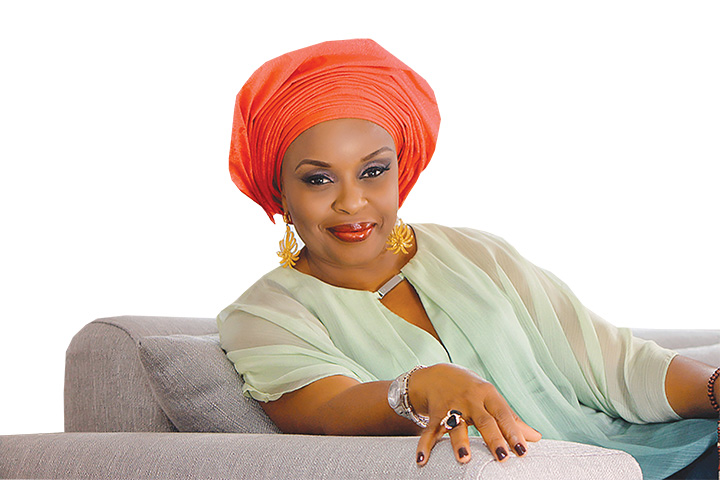
Dr Ama Onyerinma, Founder, Live Abundantly
Where are we with gender equality?
The achievement of gender equality in Nigeria shall require a change in mindset and the prioritisation of gender impartiality. While there are many laws which purport to ensure equality, Nigeria has failed to pass a Gender Equality Bill. You need only to access the media or interact on a professional and/or social level, to realise that the Beijing agenda highlighting the importance of addressing women’s rights among other pertinent issues such as, poverty alleviation, education and skills acquisition, health, violence, discrimination, economic advancement, decision-making and the environment, though spoken of, are not the foremost topics for the government or the greater society. The truth is that it is only by prioritising these matters that we can address the looming matters of security and sustainable development.
How gender-aware are the generations born after 1995?
The post-Beijing generation exudes greater awareness of gender equality and related matters because they have grown up with the knowledge of their rights and the desire to be participants in their life decisions. They are vocal and well-connected globally because of social media and ease of access to information. They aspire for change and recognition as viable citizens but the issues of religion, culture, violence, socio-economic limitation still resonate—and, in many ways, persistently curtail the progress of achieving gender equality.
We Direly Need Change Of Mindset
Would you agree that culture and tradition are stumbling blocks to attaining gender equality in Nigeria?
There are numerous factors limiting the progress of gender equality; but the most poignant are culture and religion.
The belief that boys should be predominantly educated has led to the following appalling set of data for Nigeria. Five million girls are said to be out of school while 23 million are child brides. Additionally, the escalating marriage rate of girls before age eighteen, has resulted in adult women, who lack the education or skills necessary for economic independence and access to proper healthcare.
Furthermore, the cultural and religious beliefs which render women less than men, subject them to violence and negate their human rights and value in society, are holding the nation back from achieving gender equality.
Moving forward, how can government be held accountable to respect international conventions to which they are signatories?
The citizens must demand accountability from the government. A culture of data gathering, transparency, implementation of projects and accurate reporting must be established. Corruption and impunity must be stridently addressed. Security agencies and the judicial system must operate to the fullest extent of the law without compromising their integrity. We must build a culture where gender equality and human rights are the modus operandi.
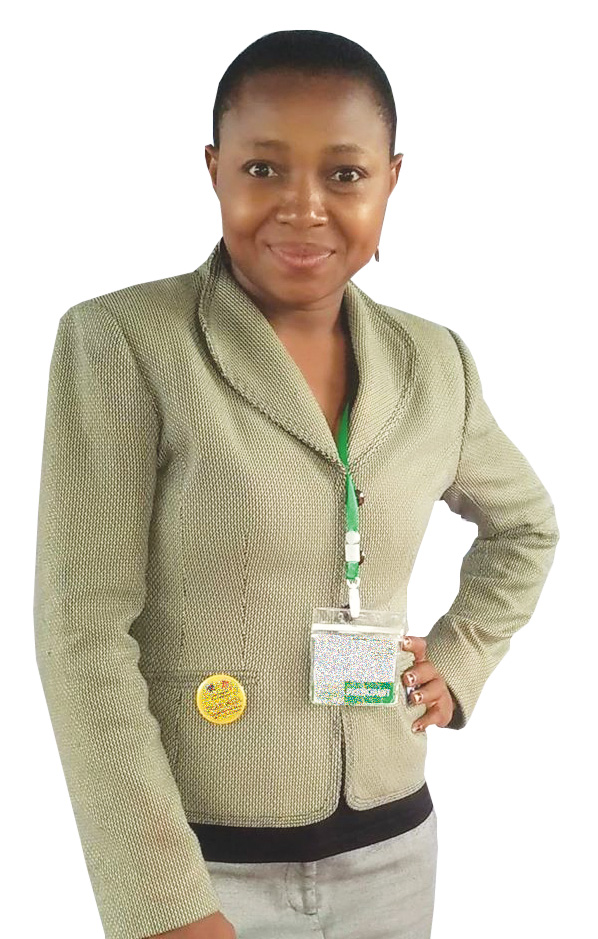
Priscilla Usiobaifo, Founder, BraveHeart Initiative
Where are we with gender equality?
Since 1995, advances have been made. Civil society organisations have worked significantly with the Nigerian government and development partners, towards the realisation of the commitments of the Beijing Platform for Action (PFA). The Nigerian government has formulated various policies and enacted diverse laws, and has adopted various regional protocols to reinforce the Beijing PFA and other development frameworks.
Despite the gains, there are a lot of setbacks and emerging challenges. Violence against women has remained a recurrent unresolved issue. The variety of sexual violence experienced by children and women in Nigeria, are in no way effectively prevented or responded to.
How gender-aware are the generations born after 1995?
I can say emphatically that the younger generation are far more gender-aware and have done better in institutionalising gender awareness.
Would you agree that culture and tradition are stumbling blocks to attaining gender equality in Nigeria?
Yes, I absolutely agree as patriarchy thrives in Nigeria solely because of religious and cultural fundamentalism and norms.
Moving forward, how can government be held accountable to respect international conventions to which they are signatories?
Women groups and other organisations need to continue the awareness programs being held all over the country, and keep demanding that the government respects the international conventions to which they are signatories. Government needs to come to an awareness that women form about 49% of the country’s economy and without their inclusion in politics and decision making positions, the growth and development of the nation will continue to be stunted.
Holding Government Accountable Is Tough
Moving forward, how can government be held accountable to respect international conventions to which they signatories?
In my over 10 years of activism, holding government accountable has been the most challenging task as government, at all levels, repeatedly, fail to adhere to their promises and pledges. We would, however, continue to provide comprehensive education, invest more on data analysis and also, improve strategic engagements and dialogues. As Nigeria strives towards the achievement of the SDGs, the national, state and local governments must prioritize the health and wellbeing of women and girls. I recently contributed to the development of a National CSO Shadow Report for Nigeria and expect Civil Society activists, especially younger feminist influencers, to use that report in advocacy; for a more inclusive society.