Ify Uzokwe’s Call for Collaboration, Courage and Collective Growth on International Women’s Day
By Josephine Agbonkhese
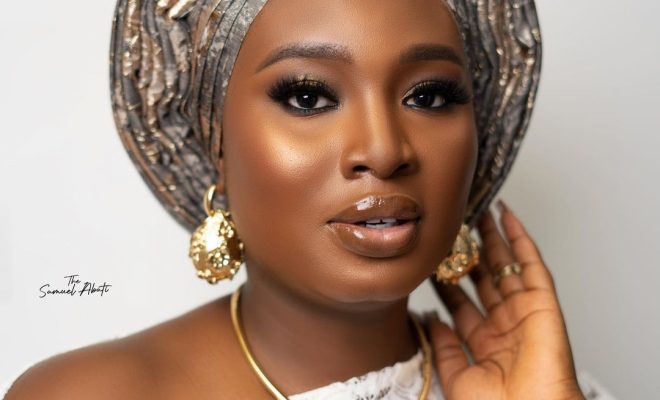
As the world marks International Women’s Day 2026, the global theme, “Give to Gain,” resonates deeply with Ify Uzokwe, a seasoned lawyer, philanthropist, counsellor and women’s rights advocate whose life’s work reflects the very spirit of reciprocity and shared progress.

For Uzokwe, the theme is not just a slogan; it is a philosophy. In an era defined by rapid change and fierce competition, she believes collaboration remains the most sustainable pathway to growth. “It is a beautiful theme,” she says thoughtfully. “This is a time when we must come together as groups, as unions, as associations and communities to support one another.”
To her, giving goes beyond financial generosity. It includes advocacy, mentoring, training, knowledge-sharing and standing in solidarity with others. “We all have different potentials,” she notes. “When we combine our gifts, success multiplies.”
With over 20 years of experience in legal practice, Uzokwe has consistently used her voice and influence to serve society. Her commitment to justice and compassion extends beyond the courtroom into community development and women-led organisations where she provides guidance and leadership. For her, empowering others is not optional, it is essential.
Asked whether she believes in gender equality, her response is firm and unequivocal. “Gender equality is a fundamental human right and a necessary foundation for a peaceful, prosperous and sustainable world,” she says.
She explains that gender equality encompasses equal rights, responsibilities and opportunities for all genders. Drawing attention to its broader implications, she highlights how empowering women drives productivity and economic growth.
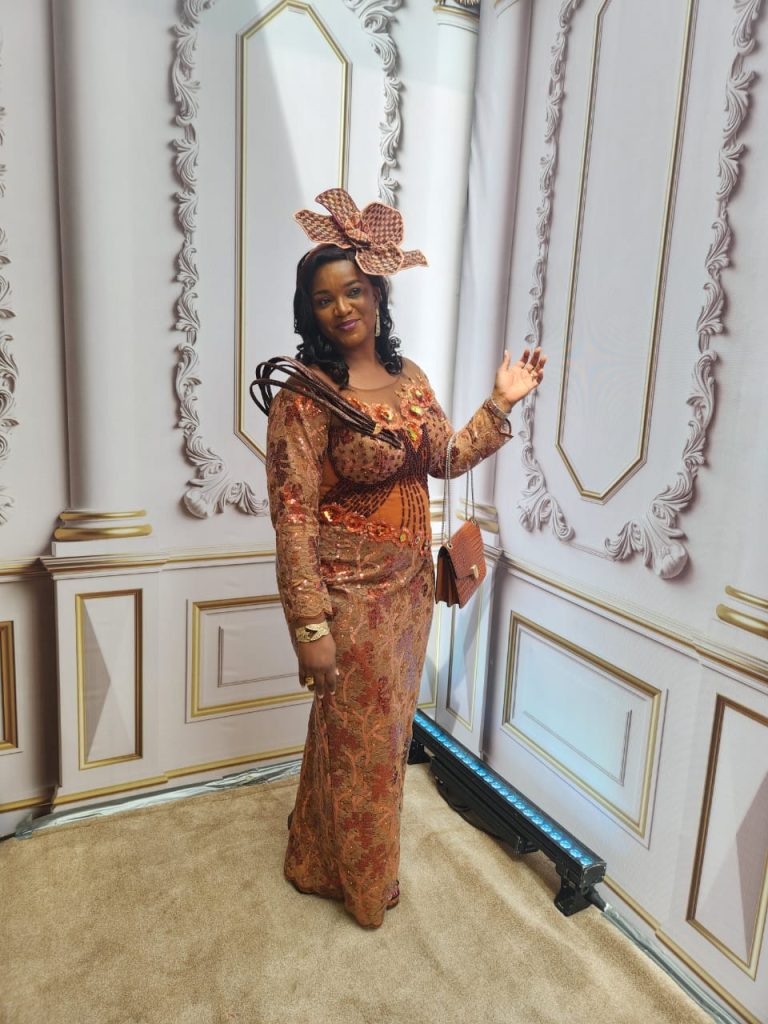
Uzokwe identifies two core dimensions of gender equality: social equality, equal access to education, healthcare and social services, and economic equality, which includes equal pay, equal employment opportunities and financial independence. While she acknowledges that complete eradication of sexism may be unrealistic, she insists that society has the power to significantly reduce inequality and its harmful effects.
“Whether or not we will exercise that power remains to be seen,” she reflects.
However, she also challenges women to confront internal barriers. According to her, some women struggle with deep-seated insecurities shaped by upbringing or societal conditioning. “We sometimes are architects of our own problems,” she observes candidly. She notes that highly educated women sometimes shrink into limiting roles, abandoning opportunities to make meaningful impact in their professional fields.
Her call is clear: greater awareness, stronger advocacy and increased visibility are critical to women’s advancement. “When women contribute fully, we create a more supportive and interconnected world.”
As a legal practitioner in what has historically been considered a male-dominated profession, Uzokwe offers a nuanced perspective on discrimination. Having practiced law for 21 years, she believes the narrative is shifting.
“Believe you me, women are not discriminated against in this profession as before,” she asserts. While she acknowledges that such biases once existed, she says the legal field is evolving.
Pointing to the increasing number of female law graduates and the rising presence of women within the Lagos State judiciary, she observes that women are no longer waiting to be invited into leadership, they are contesting, winning elections in professional bodies and attaining higher positions within the profession.
“There is still room for growth,” she adds, “but the question is, are female lawyers willing and ready to attain such heights?”
Her emphasis, once again, returns to personal agency. Opportunities may be expanding, but readiness and resilience remain essential.
On gender diversity in the workplace, Uzokwe believes significant progress has been made. “The era of offices filled only with men is gone,” she says with confidence. Today’s workplace, she insists, rewards competence: “It is now operation show what you’ve got.”
She acknowledges that some sectors still lack female participation, but highlights policies such as paternity and maternity leave in certain organisations as indicators of shifting mindsets. Equitable representation, fair treatment and inclusion, she says, are gradually becoming realities, though not universally so.
When asked which powerful woman she admires most, Uzokwe does not hesitate: Ngozi Okonjo-Iweala.
To her, the Director-General of the World Trade Organization represents global excellence and national pride. Frequently recognised among the world’s most powerful women, Okonjo-Iweala’s journey from serving Nigeria to shaping international trade inspires Uzokwe deeply. “She has served her country, and now she is serving the world,” she says.
Despite progress, Uzokwe acknowledges that women in business continue to face significant hurdles. Chief among them are limited access to capital, entrenched gender bias, and the constant tension between demanding careers and family responsibilities.
Women often operate with fewer networking opportunities and limited mentorship. Cultural and administrative barriers further complicate growth. Yet, she stresses, one of the most troubling challenges remains sexual violence and harassment, an issue that continues to undermine women’s safety and confidence in professional spaces.
For young women and girls aspiring to become lawyers, Uzokwe offers grounded, practical advice.
“We all have our little beginnings,” she says. In the legal profession, pupillage is indispensable. Law school graduation is not an instant gateway to success. “You must learn the robes,” she explains, embracing the discipline, mentorship and hands-on experience required to master the craft.
She urges young lawyers to identify their preferred area of specialisation early, pursue continued legal education and commit to lifelong learning. Improvement, she emphasises, is a continuous process.
As International Women’s Day 2026 unfolds, Uzokwe’s message is both hopeful and pragmatic. Collaboration, she believes, is the future. When women support one another, share knowledge, and boldly deploy their talents, collective progress becomes inevitable.
“Let us give,” she concludes warmly, “and we will gain. Together, we move forward.”