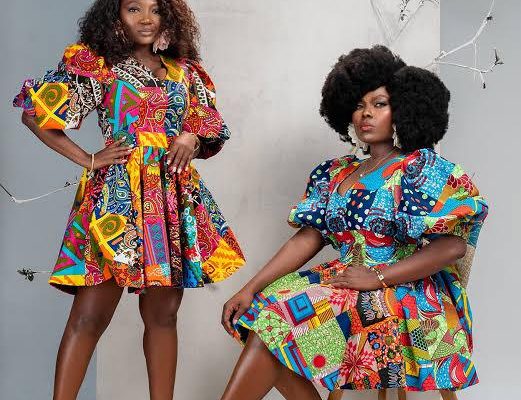
OOMO AJADI Proves That Yoruba Fashion Has Always Been Couture
By Yemisi Suleiman
There’s something deeply familiar about what Yusuf Kareem has done with this collection — but it’s also rare. Not rare because the fabrics or silhouettes are new. Rare because they are not. Because in an industry that often twists tradition into spectacle, Ariwo Ilẹ̀ Ọba holds Yoruba culture exactly as it is — dignified, spiritual, regal.
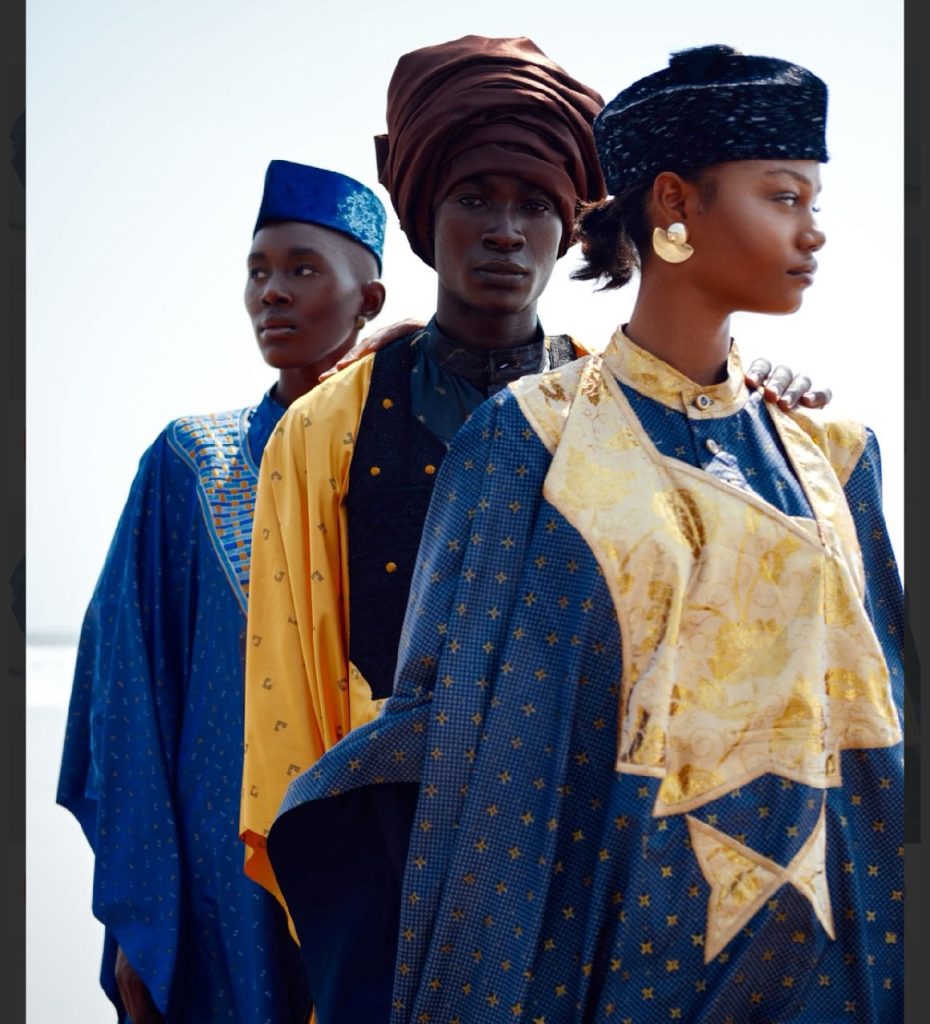
From the first image, you understand this isn’t fashion made for show. It’s fashion that comes from memory — from the way a grandfather adjusts his agbada before sitting down in the compound. From the coral beads your mother wore at your uncle’s wedding. From the soft, heavy silence of traditional ceremony.
Kareem doesn’t over-style or over-explain. The garments speak clearly — wide-sleeved agbadas, earthy tones, indigo layers, bare feet in the sand. There’s no gimmick here. Just honesty.
It’s refreshing to see a designer who isn’t trying to remix the culture to fit the runway. Instead, OOMO AJADI brings the runway to the culture. And that takes both skill and confidence. The fits are clean. The draping is intentional. And every look tells you one thing: Yoruba design has always been couture. We just didn’t always call it that.
In Ariwo Ilẹ̀ Ọba, Kareem has given us a reminder — and maybe even a correction. He’s shown the industry that tradition doesn’t need a twist to be valid. It only needs to be seen, deeply and without interruption.