Omolola Salako: At War With Cancer
Words by- Josephine Agbonkhese
Each year, 40,000 lives are lost to breast cancer— the second-leading cause of cancer deaths after lung cancer. As if that isn’t scary enough, 1 in 8 women are estimated to develop invasive breast cancer in their life time.
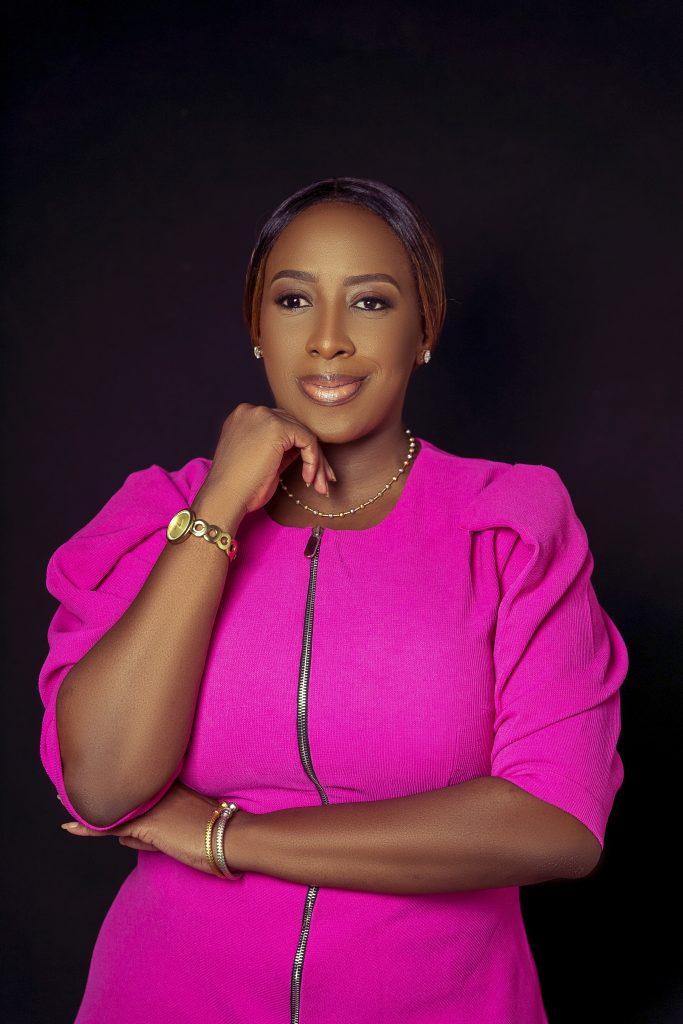
In this month of October, Allure caught up with Dr. Omolola Salako, a clinical oncologist, global health leader, award-winning cancer researcher, and lecturer at the College of Medicine, University of Lagos.
Fondly called The People’s Oncologist, Salako is the Chief Medical Director, Pearl Oncology Specialist Hospital— a multidisciplinary chain of cancer centers. She is also the Founder of Sebeccly Cancer Care— a non-profit dedicated to fighting cancer and supporting survivors.
In this exclusive interview, Salako digs deep into breast cancer and also shares valuable insights on symptoms, prevention, treatment, private and public sector collaboration, and much more.
What attracted you to oncology of all other specialisations in medicine?
My journey into oncology is a tale of finding beauty amid ashes. In 2003, my younger sister received a terminal cancer diagnosis and tragically passed away in less than three months. While it was an honour to care for her, it took a heavy emotional and physical toll on my family. I was a medical student then and had to miss several weeks of school while looking after my sister. Following her funeral, I returned to my studies. As I progressed through medical school, I encountered more cancer patients, which heightened my sensitivity to their struggles and symptoms. Since then, my mission has been to help people, especially women, prevent, treat, and survive cancer. I am working on these through three vibrant startups: Sebeccly Cancer Care which is an NGO, Oncopadi Tech, and Pearl Oncology Specialist Hospital. Pearl, a chain of cancer centres, is crucial in providing affordable and quality cancer care in four communities.
It’s Breast Cancer Awareness Month, and 1 in 12 women are predicted to be diagnosed with breast cancer in their lifetime while 1 in 8 will suffer a more aggressive form; but how can an illness be so prevalent?
Unfortunately, global cancer registries confirm that 2,296,840 new breast cancer cases occurred in 2022 worldwide. In the same year, Nigeria recorded 32,278 new breast cancer cases.
Why must every woman be worried; what particularly puts them at risk?
I wouldn’t want women to worry about breast cancer because most women will live healthy, happy lives and fulfil their purpose. Women should generally make healthy choices daily, manage internal and external stress levels, and embrace an annual medical check-up.
In the case of Nigeria, don’t you think the burden of breast cancer would drop significantly if there’s improved systemic breast health promotion?
If more women are detected at stage 0 or 1 instead of stages 3 and 4, they will have a higher chance of cure. Secondly, if all breast cancer patients started treatment as early as possible and had access to free or discounted treatment, then we would have lower breast cancer-related deaths. In addition to systemic health promotion, another way we can significantly improve cancer survivorship is to ensure that every patient has access to funding for cancer treatment such as chemotherapy, surgery, radiotherapy, hormone therapy, target therapy and supportive care. Thirdly, Sebeccly’s breast awareness videos teach women what they need to know about breast examinations, mammograms and all.
Let’s talk about the resultant death from breast cancer estimated at one woman every 50 seconds across the world. Doesn’t that sound like a lie?
It might sound alarming but definitely not a lie. In 2022 alone, there were 32,278 new breast cancer cases diagnosed, resulting in 16,332 deaths. That is about a 51% death rate. This high death rate is due to late-stage presentation, aggressive tumour biology and inability to receive life-saving cancer treatment.
How does one cut down her risk?
While there’s no guaranteed way to prevent breast cancer, making certain lifestyle choices can significantly reduce your risk. Cut down on your weight because being overweight or obese increases your risk; engage in regular physical activities; aim for at least 10,000 steps daily or 150 minutes of moderate-intensity weekly exercise; choose a diet rich in fruits, vegetables, whole grains, and lean proteins; limit red meat and processed foods; and limit alcohol consumption.
Breastfeeding can also lower your risk, especially if you do so for more than a year.
Also, know your family history; discuss any family history of breast or ovarian cancer with your doctor. Ensure regular breast screening and also consider genetic testing if you have a family history of breast or ovarian cancer.
What are the earliest red flags to look out for?
It’s important to be aware of the common symptoms and to consult a healthcare professional if you notice any changes in your breasts. A new lump or thickening in the breast or underarm; a recent change in breast size or shape; nipple changes which may include inverted nipples, nipple discharge (other than breast milk) or a rash on the nipple; orange peel appearance of the breast skin; as well as redness or swelling of the breast.
How often should a woman have a mammogram and does regular mammogram mean one is never at risk of advanced or untreatable breast cancer?
A mammogram is a type of X-ray image of the breasts that can detect small breast lumps up to two years before they can be felt. It is recommended for women over 40 years old, and the frequency of mammograms depends on age and individual risk factors. However, most guidelines suggest women age 40-74 have annual mammograms while women age 75 and above discuss screening frequency with their doctors.
It is said that early detection saves lives but at what point does breast cancer become deadly?
While early detection is crucial in improving outcomes for breast cancer patients, it’s essential to understand that not all breast cancers are deadly. The stage of the cancer at diagnosis significantly impacts the cure rate. Early detection can significantly improve the chances of successful treatment and survival.
The problem we have in Nigeria is that many women who notice a breast lump usually delay presenting to the hospital. Research says this delay may be as long as six months. Many women are hesitant to start treatment, and when they finally do, they are in a worse state of health. Making the situation even worse is the fact that women often present with unacceptable health conditions and complications caused by cancer, such as low blood levels, severe infection, and foul-smelling breast ulcers, before beginning breast cancer treatment.
How would you rate its management in Nigeria both in terms of prevention and treatment; what’s missing?
In Nigeria, we are making strides in treating breast cancer despite having limited cancer centers, specialists, and resources. However, the ratio of breast cancer patients to oncologists is high, leading to overwhelmed cancer clinics. Some cases are diagnosed and treated by doctors with limited experience and knowledge in cancer care, leading to complications. Additionally, many patients cannot afford cancer care, which can cost anywhere between 1 million naira to 20 million naira.
But has there been any impressive collaboration over the years between the public and private sector on cancer care?
About five years ago, the Federal Ministry of Health rolled out the Cancer Health Fund, which provides Two Million Naira (N2,000,000) worth of cancer care in public hospitals. The government and several partners are leading an active and promising expansion of cancer centres across the country. Increasingly, more private cancer centres are establishing their presence across different cities. The recently launched National Institute of Cancer Research and Treatment is the governmental agency tasked with orchestrating the reduction of the cancer burden and to achieve this, more innovative partnerships are rapidly required.
Tell us about Sebeccly Cancer Care and practical ways it has helped to ease the burden of breast cancer since its establishment?
Sebeccly Cancer Care and Support Center is a not-for-profit organisation established in 2006 to reduce the cancer burden in Nigeria through community outreaches, diagnostic, treatment, fund support and innovative survivorship programs.
In 2018, Sebeccly provided technical support and served as a platform to launch the Oncopadi app. The Oncopadi platform is an award-winning, user-friendly cancer app that has been used by more than 5,000 users to access accurate cancer information, connect patients and caregivers with specialists, and offer virtual cancer care and support.
Some of Sebeccly’s innovation programs include; TimeToScreen Campaign which is a flagship breast and cervical cancer screening program that has provided free screening to over 31,000 women in 100 communities. Over 565 precancerous lesions have been diagnosed and treated with cryotherapy/thermal ablation through this platform. Another is Breast Health Fridays, a community breast clinic which welcomes women interested in breast screening and women with breast abnormalities every Friday. We also have the #12KLLP, our Guinness World Record attempt aimed at increasing awareness for breast cancer.
How did you come about that name ‘The People’s Oncologist?’
In 2009, during one of the breast cancer support group meetings hosted by Sebeccly Cancer Care, I led a support group meeting where we had heart-to-heart conversations about our fears, dreams, and how to fulfil our purpose despite fear. The session was impactful, and as we wrapped up, one of the survivors said, “You are an oncologist who treats patients, but you have a heart for the people. We christen you ‘The People’s Oncologist'”.
Today, my digital oncology team and I have developed an award-winning innovation called the PROSECare app. This digital AI-based patient-monitoring platform assists cancer patients in monitoring and managing treatment-related side effects. The PROSECare app is currently being used in clinical and research settings by hundreds of Nigerians impacted by cancer and undergoing treatment for over 16 different types of cancer.
Oncologists aren’t common; meaning you’re extremely over-worked and busy. How do you relax?
I do my best to block out time for work, rest, family time and my self-care time.
What book are you reading now?
Jewish Wisdom for Business Success.
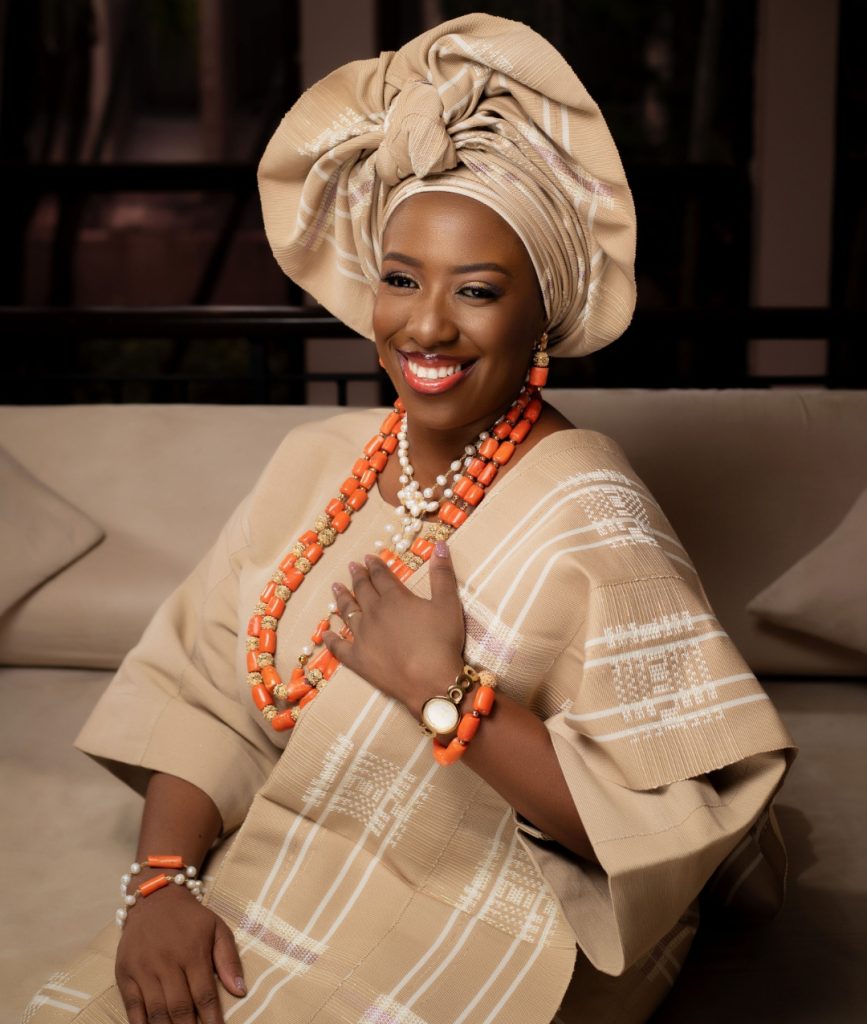
Describe your personal style?
My style is relaxed and minimalist, with a touch of my heritage.
Who has influenced your life the most?
My first and forever mentors are my wonderful parents, Dr. and Engineer Mrs. Fred Omojole.
Your parting advice to every woman?
It would be a Bible verse, Habakkuk 2:2: “Write the vision, make it plain.” Meditate on your vision during good times and challenging times. Write your career vision, mission, and core values, and have a tribe that keeps you deeply rooted in your why.