Elias Clothing is changing the way we think about African elegance with 3D fashion innovation
Elias Clothing is one of the few brands that is changing what it means to combine tradition and technology in a time when the lines between physical and digital creativity are becoming less clear.
Elias Clothing’s newest collection has sparked a lot of talk in the fashion world, not just because of how well it was made, but also because it uses 3D fashion presentation in a way that no one else has done before.
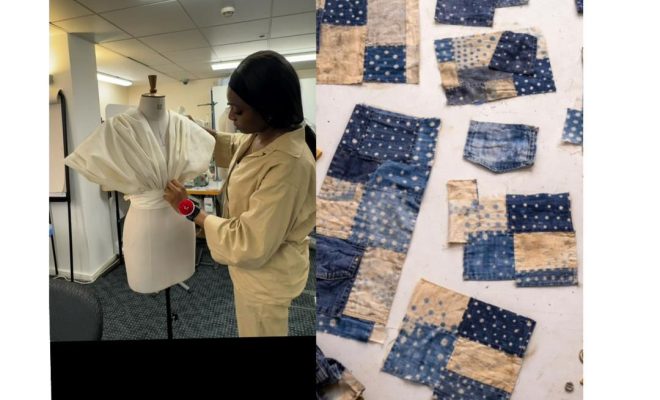
The company was started by Adeboye-Falade Tejumade Anthonia, a Nigerian-born designer who now lives in the UK.
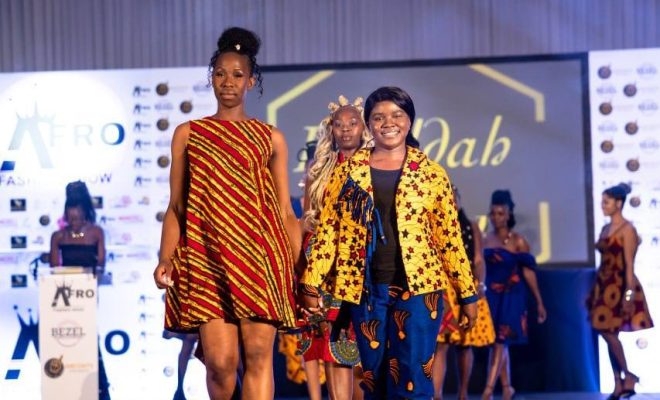
The launch of Elias Clothing’s newest line wasn’t a typical runway show; it was a 3D fashion experience that went beyond fabric and shape. The brand used cutting-edge 3D modelling and digital visualisation to show off a range of clothes that looked like they were floating, twisting, and moving in time with the music and light.
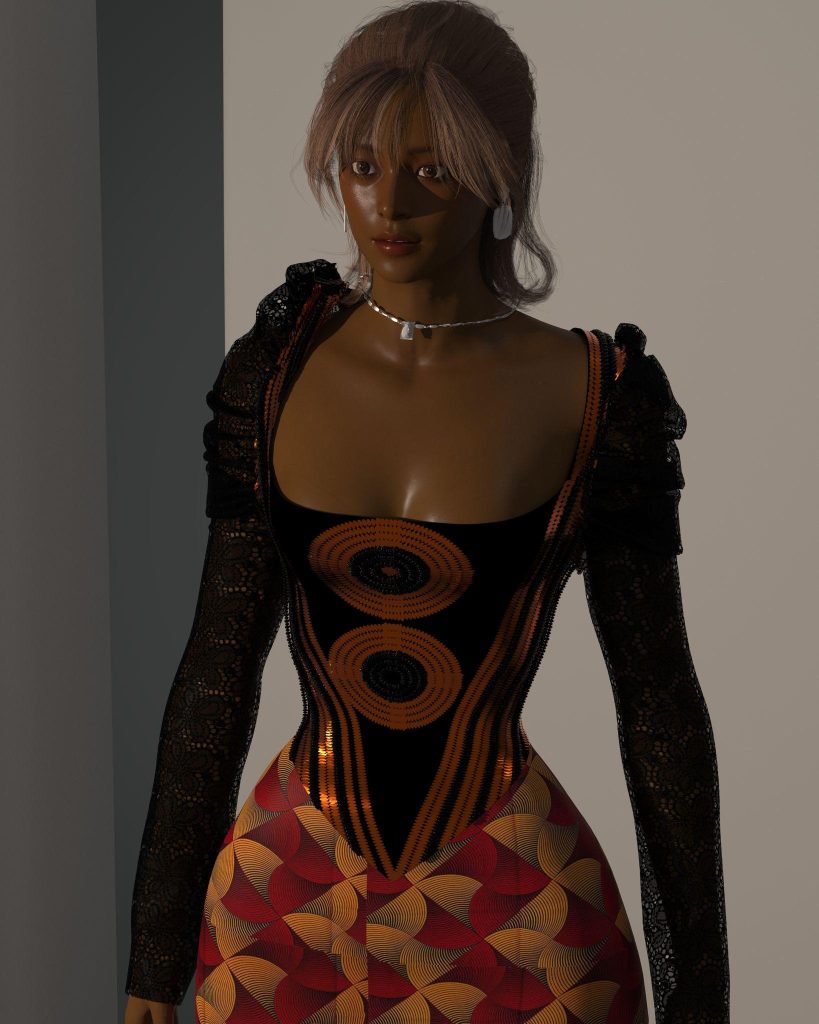
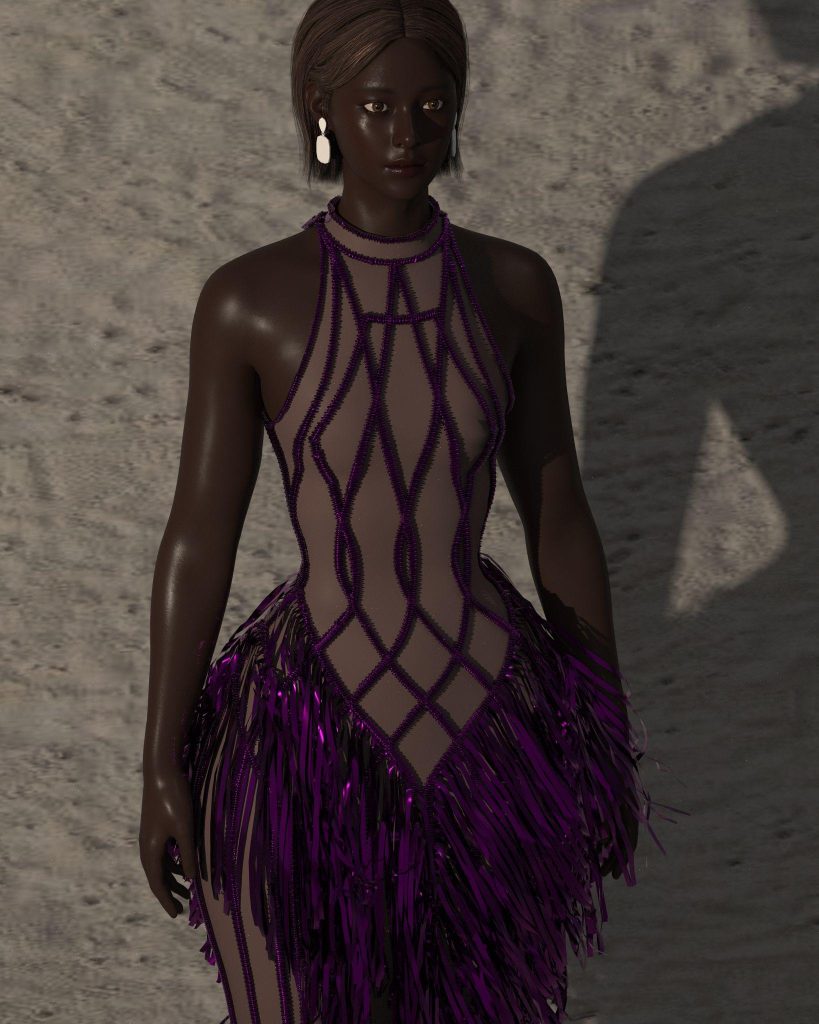
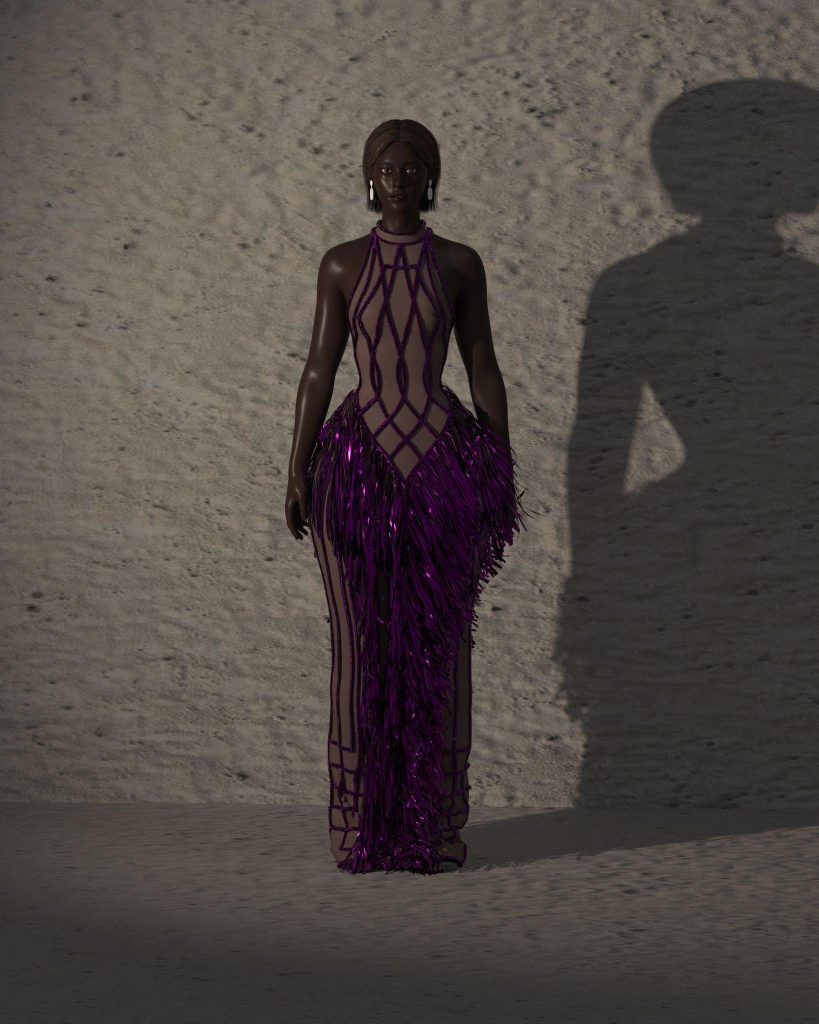
It was a fascinating virtual dance between art, fashion, and technology. When seen through this digital lens, the clothes—elegant, structured, and based on Afro-contemporary styles—took on a new meaning. The 3D environment made textures shimmer, drapes move, and details look like they were being looked at with a microscope.
It was fashion that was not limited by the body, and Elias Clothing used that freedom with poetic skill.
The experience itself said a lot: this was not just fashion seen, but fashion lived. Elias Clothing showed that 3D fashion could be both a sustainable showcase platform and a way to tell stories. This is important for an industry that is often limited by logistics, cost, and environmental concerns. 3D fashion could bring African design stories to digital spaces around the world.
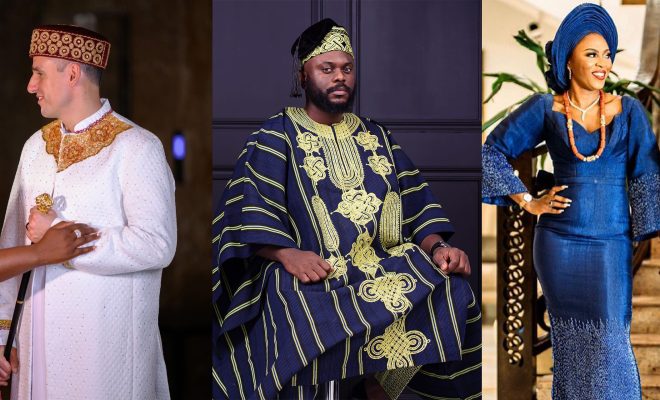
Elias Clothing’s main goal is to tell stories through design. Tejumade Adeboye-Falade takes inspiration from her rich Nigerian heritage—such as the textures of Aso Oke, the flow of Ankara, and the royal shapes of traditional Yoruba clothing—and gives them a new look through a modern British lens.
The designer brought these cultural codes into the 3D world in this collection without losing their meaning. Each piece felt like it came from a long time ago and was very new at the same time. Flowing kaftans and sculptural corsetry came together. Digital images of woven fabrics glowed with light. Drapes that used to be held down by gravity now seemed to float.
The designer seemed to have turned the rhythm of traditional African sewing into a digital symphony.
More importantly, this collection showed that the designer thought that technology shouldn’t erase who you are; it should make you more of who you are. A lot of big brands use 3D as a visual trick, but Elias Clothing used it as a way to keep things going, making sure that every pixel had cultural meaning.
There is a lot of technical skill behind the visual show. The 3D models were made with the most advanced software, which imitated how each type of fabric fell, shone, and moved. It let the designer play around with shape and volume without wasting any materials, which is a big step forward in making fashion more environmentally friendly.
Viewers could rotate, zoom in, and see each look from different angles, which showed how smartly each cut and contour was made. The textures that moved looked like real silk, and the way the light played off of them made it feel like a real runway.
But even with all of this advanced technology, Elias Clothing still had a very human touch. The designs, which included high-necked gowns, wrap skirts, and modern kaftans, had a sense of warmth and lived experience. They talked about identity, memory, and hope, showing that new ideas are strongest when they still have empathy.
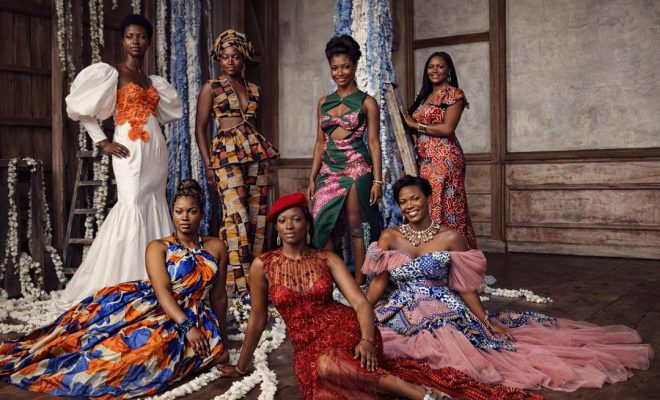
Elias Clothing started in the UK and is now part of a growing group of African designers living abroad who are changing British fashion. Tejumade Adeboye-Falade’s vision is different because she believes that African creativity should be equal in both cultural and technological terms.
By making 3D visualisation a part of her brand’s DNA, she is not only making beautiful clothes, but she is also changing how people see, buy, and store African fashion. Her work goes against the Eurocentric idea that new ideas must come from the West. Instead, Elias Clothing shows that Afrocentric new ideas can start global conversations about sustainability, digital fashion, and representation.
This new 3D collection also shows that the company is aware of how fashion is changing. Elias Clothing is already ahead of the game as major brands move towards digital showrooms and virtual experiences. The company creates immersive, interactive experiences that appeal to a global audience while keeping its Nigerian identity.
How to Show Culture in a Digital Age
The collection was clearly beautiful to look at, but there was also an emotional undertone that was hard to miss. Every look seemed to tell a story of moving, changing, and finding a place to belong. The collection was like the designer’s own journey from Lagos to London, and it used design language to show the contrast between fluidity and structure, light and depth, home and horizon.
The 3D display at Elias Clothing also made a quiet but strong point about making things available to everyone. The digital format removed barriers of geography and economy, allowing people from all over the world to see the show without any problems.
In that way, it made fashion more democratic by starting a conversation about how African fashion can do well around the world through new ideas.
Praise from Critics and the Audience
People who saw the collection and people who work in the industry both loved it. Critics praised how well it combined art, culture, and technology, calling it “a masterclass in digital craftsmanship and emotional storytelling.”
People on social media were just as excited about the show, calling it “mesmerising,” “visionary,” and “proof that African design has entered a new era.”
Elias Clothing’s showcase was a case study in innovation for both new and established designers. It showed how modern tools can be used with creative storytelling to connect the past with the future.
A Plan for the Future
Elias Clothing’s use of 3D fashion technology isn’t just a test; it’s a strong statement about the brand’s future and the future of fashion as a whole. Digital showcases and virtual clothes are eco-friendly options that keep art alive while cutting down on waste in a world that is dealing with climate change and too much production.
With this forward-thinking approach, Adeboye-Falade Tejumade has not only made herself a leader in the UK’s creative economy, but she has also become a voice for the next generation of African designers who will change the world with their creativity and passion.
The newest 3D collection from Elias Clothing is a great example of creativity, hard work, and bravery. It connects different places, forms, and times. It reminds us that fashion isn’t just cloth; it’s living art that can change with the times while keeping the past alive.
Adeboye-Falade Tejumade Anthonia has changed what it means to design in the modern age. She is not only a creator of clothes, but also of experiences that move both mind and spirit.
Elias Clothing makes one thing very clear: the future of African fashion is not coming; it is already here.