Cultural Heritage as Competitive Advantage in Modern Fashion: Inside the Nikieo Couture Story
By Josephine Agbonkhese
In an increasingly competitive global fashion market, differentiation is no longer defined by aesthetics alone. Brands are now required to communicate identity, authenticity, and cultural relevance while maintaining commercial viability.This
This shift has created space for a new generation of designers who position heritage not just as inspiration, but as a strategic asset.
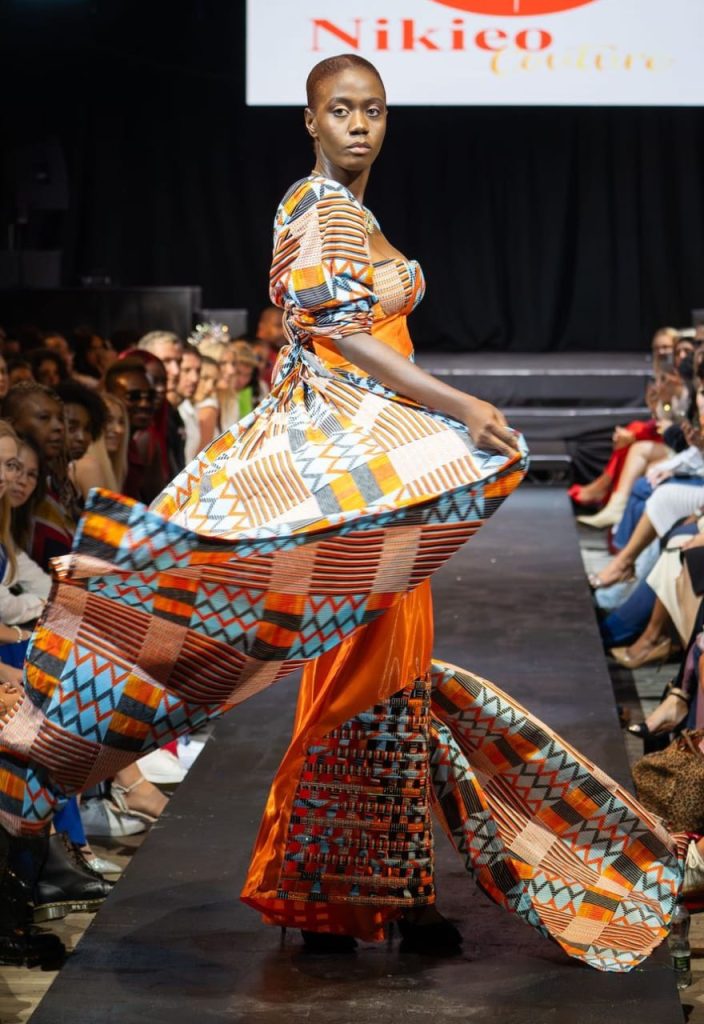
Nikieo Couture, founded by UK-based designer Loveth Oyenike Ayetoba, operates within this evolving landscape. The brand exemplifies a model of culturally rooted fashion that integrates traditional African textiles such as Asooke, Ankara, and hand-dyed fabrics into structured, contemporary silhouettes. Rather than using heritage as a decorative reference, Nikieo Couture embeds it within the construction and identity of each piece.
This approach reflects a broader shift in consumer behaviour. Increasingly, global fashion consumers are seeking products that carry meaning and authenticity. As a result, brands that can articulate a clear cultural narrative are better positioned to build emotional connection, brand loyalty, and long-term relevance. In this context, cultural identity becomes not only a creative expression but also a competitive advantage.
From a business perspective, the emergence of culturally rooted brands signals a redefinition of value within the fashion industry. Traditional luxury has long been associated with European heritage houses; however, contemporary markets are expanding this definition to include craftsmanship, cultural significance, and innovation from diverse global perspectives. Nikieo Couture’s design philosophy aligns with this transition, contributing to a more inclusive and dynamic understanding of modern luxury.
The brand’s growth trajectory also reflects an awareness of the commercial realities of fashion. Beyond creative output, Nikieo Couture has established a presence within the United Kingdom through participation in recognised fashion platforms and the development of a retail footprint. This combination of creative visibility and market positioning highlights the increasing importance of aligning design with business strategy.
There is also a wider economic dimension to this shift. As designers from Africa and the diaspora gain visibility on international platforms, they contribute to cross-cultural exchange, supply chain expansion, and new economic opportunities within the global creative economy. By bridging traditional craftsmanship with contemporary design frameworks, brands like Nikieo Couture play a role in connecting local production techniques with global markets.
What distinguishes Nikieo Couture within this space is the consistency of its design approach. The integration of heritage into modern fashion is not presented as a seasonal trend but as a sustained creative and strategic direction. This consistency strengthens brand identity and supports long-term positioning within an increasingly crowded market.
As the fashion industry continues to evolve, the ability to translate cultural heritage into contemporary relevance will remain a defining factor for growth. In this regard, Nikieo Couture illustrates how authenticity, when combined with innovation and commercial awareness, can function as both a creative foundation and a sustainable competitive advantage.