
Muyiwa Olowoporoku: Building Strategic Partnerships
By Yemisi Suleiman
Muyiwa Olowoporoku is a strategic marketing and partnerships leader who builds connections between purpose and performance. With experience across health, FMCG, fintech, energy and banking, he heads Membership and Partnerships at the Private Sector Health Alliance of Nigeria (PSHAN), where he forges practical collaborations between corporate, philanthropic and public actors to drive measurable health outcomes.
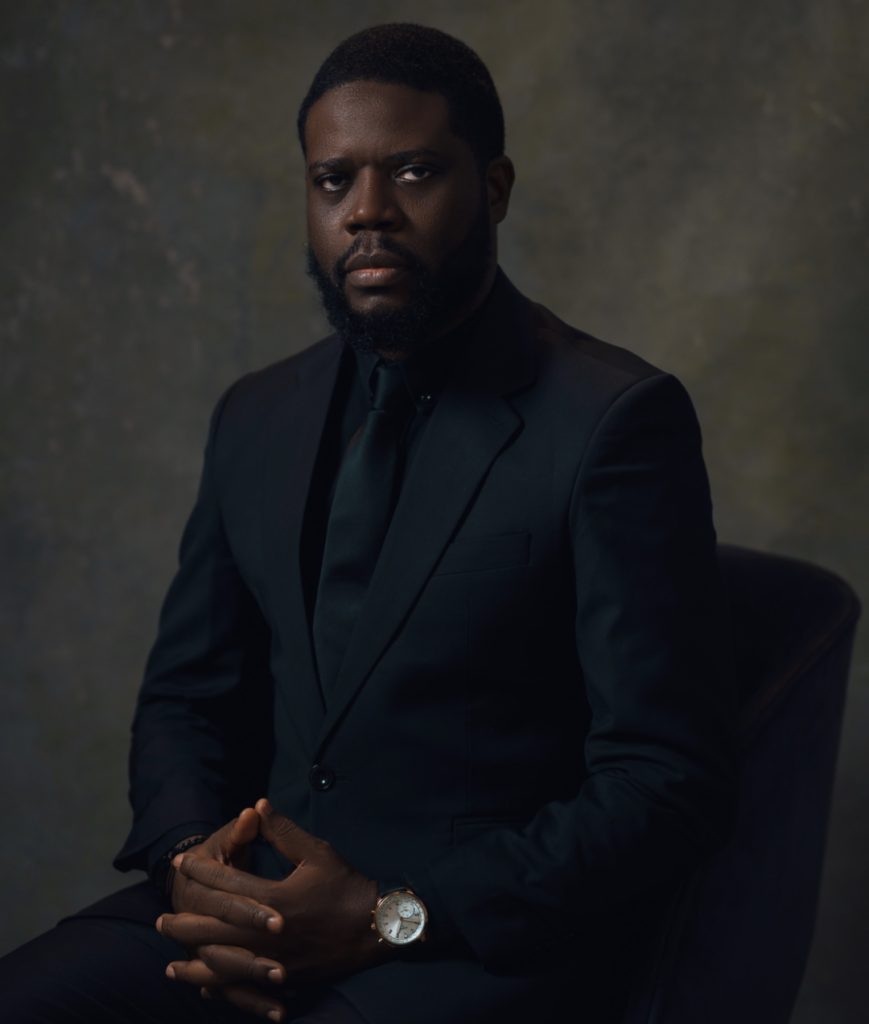
Previously, he led marketing and corporate communications at listed VFD Group Plc and built strategic alliances at ARTSPLIT. Outside work, he designs a quiet, intentional life: mentors others and protects the space that allows clarity and creativity to thrive.
He holds a master’s degree in mass communication from the University of Lagos and is a member of the Chartered Institute of Marketing (CIM), United Kingdom, as well as various local and international professional associations. This conversation explores how he thinks about growth, partnerships, leadership and the personal rhythms that keep him grounded.
How do you personally define strategic marketing in today’s business environment?
Strategic marketing today is about value orchestration. It is the discipline of aligning customer insight, commercial objectives and long‑term growth in a way that drives measurable outcomes. Beyond visibility, it’s about influencing demand, shaping perception and unlocking sustainable revenue streams across the value chain.
From your experience, how can marketers influence profitability beyond branding?
It is simple: by understanding the full value chain. Marketing can reduce acquisition costs, optimise pricing strategies, improve customer lifetime value and retention, and unlock new revenue models. Profitability is not just a finance function; it is a strategic one.
How do you assess whether a partnership will deliver real ROI Return on Investment, rather than just visibility?
I assess partnerships across three lenses: strategic fit, economic value and execution capability. If a partnership does not clearly answer why it matters, how it pays off and who is accountable, it is unlikely to deliver meaningful returns.
How do you merge organisations with different mandates at PSHAN to create shared value?
I start with alignment around outcomes rather than intentions. At PSHAN, partners come from different worlds, corporate, philanthropic, public sector, but when you anchor conversations on measurable impact and mutual value, collaboration becomes pragmatic rather than ideological.
What red flags do you look for in partnerships?
Misaligned incentives, unclear governance and overreliance on goodwill. My belief is that strong partnerships are built on structure and accountability, not optimism alone.
What would you say ARTSPLIT taught you about unconventional markets?
That experience taught me that value often exists before structure. The African art ecosystem showed me how informal markets can hold significant latent value, and how strategy, trust and access can formalise and scale them responsibly.
What do brands get wrong about loyalty in Africa?
Brands in Africa often confuse rewards with relationships. Loyalty here is earned through consistency, trust and relevance, not just discounts or points. Consumers are now more sophisticated and can easily see through such brands.
What does effective multi‑channel communication look like today?
It is not about being everywhere; it’s about being coherent. Effective communication ensures that every channel reinforces a single strategic narrative, adapted thoughtfully to context, audience and business objectives.
In your view, how has digital transformation reshaped your thinking over the years?
Digital transformation has shifted marketing from broadcast to engagement, from intuition to insight. Digital tools now allow us to listen better, respond faster and measure impact more precisely. I believe those are the most important effects of the new age, which, interestingly, is powering the fourth industrial revolution.
What leadership lessons stand out from managing diverse teams?
That context matters. I found that effective leadership adapts—without compromising principles to different generations, cultures, motivations and working styles. Workplaces are now multi‑generational, and that requires nuance.
Outside the boardroom, how would you describe Muyiwa as a person, what truly grounds you?
I am an extroverted introvert, very comfortable engaging people, yet deeply nourished by solitude. What truly grounds me is purpose and reflection. I am passionate about mentorship, optimistic by nature, and very intentional about protecting my energy. I believe strongly in dreams and possibilities, and that belief anchors how I live and lead.
How do you approach style and self-presentation as a man in leadership?
I believe style is an extension of identity. I believe in dressing with intention: clean lines, confidence and authenticity. Fashion plays a role in how I show up, which is why I created my own label, M.O. Collectibles. It reflects my philosophy of effortless elegance and quiet confidence.
Travel often broadens perspective. Which destination has most influenced how you think or live?
Milan, particularly the Duomo. There is something about the craftsmanship, scale and timelessness that resonates with me. It represents excellence built patiently, which is something I deeply admire and aspire to emulate.
What does success mean to you at this stage of your life, beyond titles and milestones?
Success now means alignment between my values, my work and my well‑being. It is about building things that endure, mentoring others along the way, and still having the freedom to enjoy life fully and meaningfully.
What career decision accelerated your growth the most?
Choosing roles that stretched my thinking beyond marketing and communications into commercial strategy and partnerships. That shift changed how I saw marketing and my value within organisations.
What experiences or influences as a teenager first shaped your career ambitions and desire to lead?
I have always been curious about people, systems and why things work the way they do. As a teenager I was drawn to ideas, books and conversations that stretched my thinking beyond the obvious. I naturally stepped into roles where I had to coordinate, influence or help others see a bigger picture. Looking back, that curiosity and sense of responsibility were early signs of leadership, even before I knew what leadership really meant.
Looking back, was there a defining moment early in your career that confirmed you were on the right path?
There wasn’t one dramatic moment, but rather a quiet realisation. I noticed that I was most alive when I was building connections between ideas, shaping narratives, creating value where none seemed obvious. When I saw strategy turn into real growth, partnerships turn into outcomes, and ideas move people, I knew I had found my lane. That feeling has stayed with me ever since.
What does a typical day in your life look like when you’re balancing strategy, partnerships and personal time?
My days are structured but not rigid. Mornings are often reserved for deep thinking and strategy, when my mind is clearest. The rest of the day revolves around conversations, meetings, alignment and problem‑solving. I intentionally create space in the evenings to spend time with friends, sometimes slow down, read, or simply disconnect and recalibrate.
How has your career shaped your lifestyle choices, from how you travel to how you rest?
My career has taught me the value of intentional living. I travel for perspective, not just escape, and I rest with purpose. I have learned that burnout is not a badge of honour; clarity and longevity matter more. How I move, pause and recharge is now a conscious choice.
How do you curate the people you allow into your space?
I am very selective and intentional about my circle. I gravitate towards people who are growth‑oriented, authentic and positive. Energy matters deeply to me.
What daily habits or routines help you stay focused, disciplined and mentally sharp?
Every morning I walk for at least an hour, before the world fully wakes up. It is my thinking space, my reset button. That time helps me process ideas, gain clarity and approach the day with intention rather than reaction. Reading is another anchor for me; it sharpens my thinking and keeps me grounded. These small, consistent habits make all the difference.
How do you balance leadership pressure with personal wellbeing, friendships and downtime?
I have learned that pressure is inevitable, but burnout is optional. I protect my mental clarity fiercely. I am intentional about spending quality time with friends—real conversations, laughter and shared moments. Those connections remind me that life is bigger than deadlines and decisions. Downtime, for me, is not switching off completely; it is reconnecting with what matters.
What values guide your decision‑making both in business and in your personal life?
Integrity, optimism and purpose. I am an unrepentant optimist; I believe things can be better, and I am willing to do the work to make them so. I also value authenticity; I do not believe in building anything—business or relationships, that isn’taligned with who I am. At Frich1923, we build with intention, and that same principle guides my personal choices.
If you had to slow life down for a week, what would that look like?
Long walks, good books, beautiful spaces, thoughtful conversations and intentional rest. I would treasure a week of presence over performance.
What is your advice to young professionals aiming for business leadership?
Master fundamentals, seek responsibility early, and think beyond job titles. Leadership is built through competence, not noise.
What’s next for you?
I am most interested in solving problems at the intersection of systems, capital and impact. Collaboration across ecosystems and building platforms that endure, is the next chapter for me.