School Bullying: When Safe Havens Turn Unsafe
By Yemisi Suleiman
Across Nigeria’s secondary schools, bullying is no longer hidden. It is filmed, shared and replayed. What many once dismissed as “part of growing up” has become something far more serious, and, in some cases, fatal.
Few years ago, the death of a student at Dowen College, linked to alleged bullying, forced a national reckoning.
More recently, outrage followed a viral video from Igbinedion Secondary School, Benin City, Edo State, where an older student was seen subjecting a younger one to disturbing violence.
These incidents leave us with one pressing question: where were the adults?
A Culture We Allowed
For years, bullying in Nigerian schools, particularly private schools, have been minimised, and labelled as discipline, toughness or tradition.
But there is a clear line between discipline and cruelty, and it has been crossed. When harmful behaviour is excused early, it does not disappear, it grows into something far more dangerous.
The Parenting Gap
No doubt, this bullying attitude often begins long before children enter the school gates.
Some children are raised without clear boundaries or accountability. Aggression is overlooked, entitlement goes unchecked, and empathy is not actively taught. In many homes, busy routines replace meaningful conversations, leaving parents unaware of how their children behave outside the home.
When incidents occur, there is also a tendency of parents to defend rather than correct. In doing so, children are shielded from consequences instead of being guided towards responsibility.
When Schools Fall Short
Schools are meant to be safe spaces. Yet, in many cases, they are not.
Bullying thrives where supervision is weak, hostels, corridors, and other unsupervised areas. Reporting systems are often ineffective, because a student reports an incident that happened to them, and instead of listening to them and taking action, they are rather cautioned to keep quiet and not tarnish the reputation of the school. This leaves students afraid to speak or convinced that nothing will change. Even where policies exist, enforcement is inconsistent.
In some cases, protecting the school’s reputation takes priority over protecting the child. And when authority figures fail to act decisively, they unintentionally allow abuse to continue.
The Danger of Silence
Perhaps most troubling is how often bullying happens in open sight.
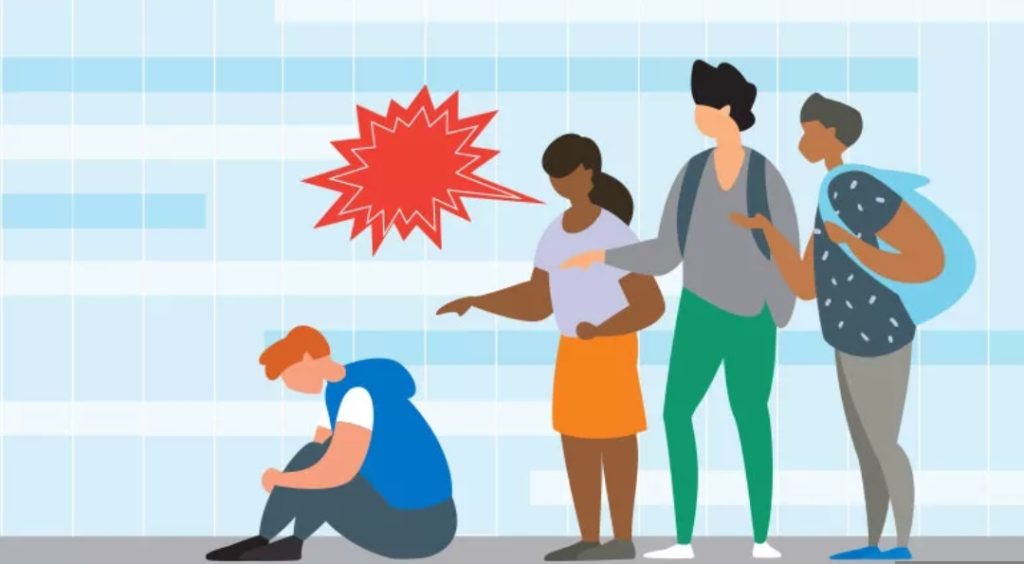
Other students watch. Some record. Few intervene.
Fear, of retaliation, of isolation, keeps many silent. But silence does not protect; it enables. Over time, it normalises behaviour that should never be accepted.
What Must Change
If this crisis is to be addressed, both homes and schools must move from reaction to prevention.
Parents must raise children with empathy, discipline and a clear sense of right and wrong. Schools must implement and enforce zero-tolerance policies, ensuring that every report is taken seriously and acted upon swiftly.
Students must be encouraged, and protected, when they speak up. Peer support systems and mentorship programmes can help shift school culture from fear to responsibility.
Equally important is access to mental health support. Both victims and perpetrators need guidance, counselling and intervention.
Beyond Outrage
Public anger often follows these incidents, but it rarely lasts.
For the child who is bullied, however, the impact remains, long after the videos stop circulating. Confidence is shaken. Trust is broken. In some cases, the damage is irreversible.
This is not simply a school problem. It is a reflection of what we tolerate as a society, what we excuse, and what we fail to confront.
If we continue to look away, we become part of the silence that allows it to persist. The question is no longer just where did we go wrong? It is this: what are we willing to change, at home, in our schools, and within ourselves, to ensure that no child feels unsafe in a place meant to protect them.