Planning Stress-Free Travel with Kids
By Josephine Agbonkhese
Summer vacation with kids is magical—the laughter, new experiences, and family bonding time you’ll never forget. But without proper planning, it can quickly turn into chaos with sold-out attractions, overpriced last-minute bookings, and meltdowns at 30,000 feet. Planning ahead transforms your summer trip from stressful to spectacular.
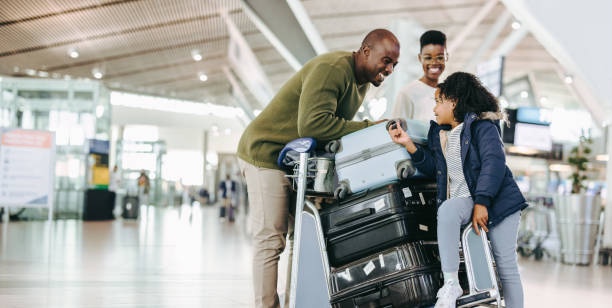
Here’s your complete guide to planning a successful summer vacation with children.
- Start Early:
Summer is peak travel season, so popular family destinations book up fast, especially between June and August. Booking months in advance often saves 20–40% on flights and accommodations while giving you far better choices. Set a family planning meeting in February or March to decide on dates around school calendars, avoiding major holidays if you want to save money. Create a shared online document or folder for all trip details so everything stays organised in one place. - Choose Kid-Friendly Destinations Wisely
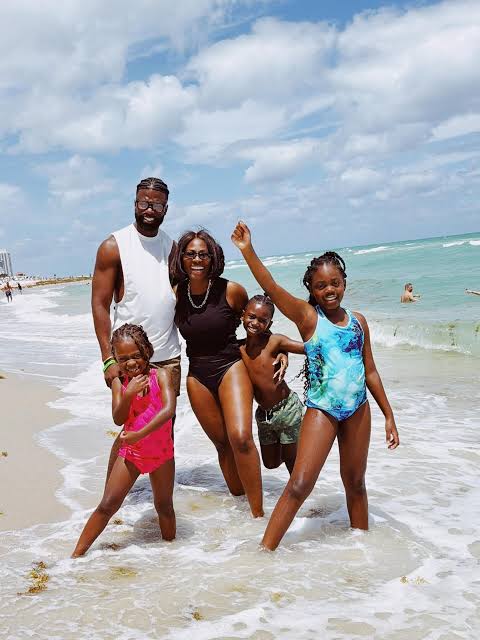
Look beyond pretty pictures and prioritise places with activities that match your children’s ages and energy levels. Beach destinations with calm waters and shallow areas, such as spots in the Mediterranean or Southeast Asia during shoulder season, work especially well for younger kids. National parks or nature reserves with easy trails and junior ranger programs offer wonderful outdoor adventures. Theme parks or resort areas with water parks and character meet-and-greets keep children entertained for days, while cultural cities with interactive museums and short walking distances provide engaging experiences without overwhelming little legs. - Booking Flights, Stays & Transport
Book flights early to secure the best seats, such as bulkhead or bassinet rows for babies, and consider direct flights to minimise layovers. For accommodations, look for family suites, connecting rooms, or properties with kids’ clubs, pools, and kitchens. Vacation rentals often provide more space and flexibility than traditional hotels. Pre-book ground transport such as car rentals with car seats, and in cities re-search ‘family-friendly public transport’ or ‘private transfers’.
- Smart Packing for Families
Overpacking is common with kids, so focus on versatile, multi-use items. Bring mix-and-match outfits, swimwear, light layers, and one warm jacket per person. Pack kid essentials such as snacks, favourite comfort items, travel toys, medications, and a portable potty for toddlers. Include tech and entertainment options like tablets with downloaded shows, headphones, chargers, and power banks. Keep printed and digital copies of passports, insurance, bookings, and medical records easily accessible.
Pack a “first night” bag with pajamas, toiletries, and snacks so you’re not digging through everything upon arrival.
- Craft a Flexible Itinerary
Kids need downtime, so build your schedule with this in mind. Plan morning activities when energy is high, followed by afternoon naps or pool time. Limit the schedule to one main activity per day at most and include buffer days for rest or unexpected rain. Involve older kids in planning by letting them choose one activity each, which builds excitement and reduces resistance.
- Health, Safety & Logistics
Travel insurance is non-negotiable with kids, so get coverage that includes medical evacuation and trip cancellation. Check vaccination requirements and pack a basic first-aid kit plus any prescription meds with copies of prescriptions two to three months ahead. Research family safety tips for your destination and use GPS trackers or family locator apps for added peace of mind. For jet lag and routines, gradually adjust sleep schedules before travel and bring familiar bedtime items to help everyone settle in faster.
- Budgeting Like a Pro
Early planning helps control costs, so track expenses in a spreadsheet with categories for transportation, lodging, food, activities, and souvenirs. Book refundable rates when possible and use points and miles accumulated throughout the year. Look for free or low-cost activities like beaches, parks, and local festivals, and eat where locals eat instead of tourist traps to save money.