
Olodo Uprising: The Culture Shift Changing How Nigerians Define Success
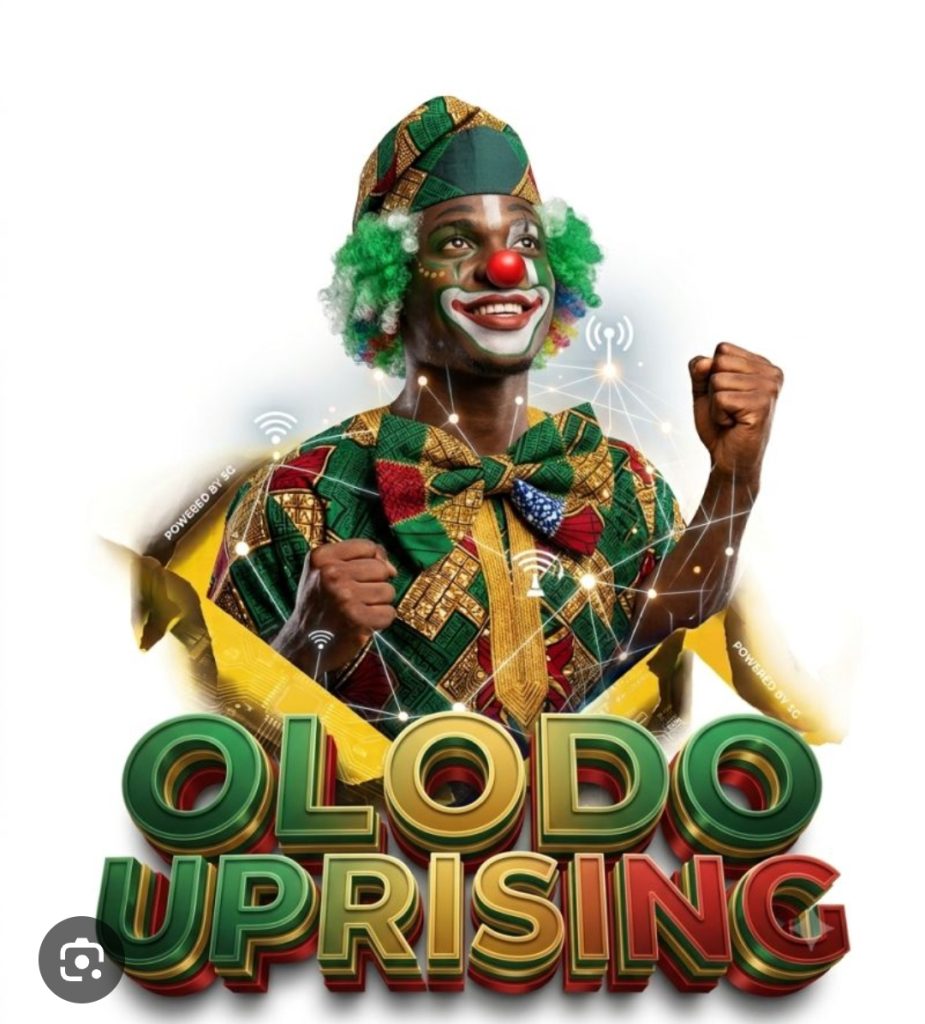
What began as a remark by Nigerian rapper Ycee on the Afropolitan Podcast has grown into one of Nigeria’s defining cultural conversations of 2026.Coining
Coning the phrase “Olodo Uprising,” Ycee ignited a nationwide debate that quickly spread across social media, radio and television, raising difficult questions about education, unemployment, internet fame and the changing definition of success.
Unlike the fleeting catchphrases that often dominate online discourse, “Olodo Uprising” struck a deeper chord. It challenged Nigerians to confront a troubling question: Is society increasingly rewarding virality and ignorance over knowledge, competence and academic excellence?
The birth of a national debate
During the Afropolitan Podcast, Ycee raised concerns about what he described as the growing normalisation of anti-intellectualism in Nigeria. He argued that society increasingly rewards viral fame over education, critical thinking and intellectual achievement, leaving many young people questioning the value of formal education.
The rapper also suggested that Nigeria was evolving from what was once labelled “Yahoo culture” to what he called “Peller culture”, a reference to the influence of 21-year-old TikTok star Peller and the broader creator economy. Although Ycee later clarified that his comments were not a personal attack on Peller but a critique of a wider societal trend, the phrase quickly took on a life of its own.
The debate intensified after Peller posted a controversial job advert offering ₦500,000 a month for a personal photographer, attracting applications from highly educated graduates, including master’s degree holders, before publicly mocking them for pursuing formal education. For many observers, the incident became a stark symbol of the widening disconnect between educational attainment and economic opportunity in Nigeria.
Entertainment industry responds
The entertainment industry quickly became the epicentre of the debate.
Peller, whose name featured prominently in Ycee’s remarks, accused the rapper of using him for publicity, sparking heated exchanges among their supporters online.
His fiancée and fellow content creator, Jarvis, shifted the conversation away from celebrity rivalry to Nigeria’s unemployment crisis. A university graduate, she questioned the value of education in a country where many degree holders remain jobless, arguing that content creation has become a legitimate source of income for educated Nigerians who the economy has failed.
Content creator and comedian Nasboi offered a more balanced perspective. While reaffirming his belief in education, he acknowledged that the internet has created opportunities that traditional employment has not.
Rather than mocking creators like Peller, he argued, society should recognise their ability to transform their lives through innovation, proving that success in the digital economy does not diminish the value of education.
When education no longer guarantees success
The reason “Olodo Uprising” resonated so strongly is that it reflected a painful reality confronting millions of Nigerian youths.
For generations, parents taught their children that education was the surest pathway to success and financial security. Today, however, thousands of graduates remain unemployed or underemployed despite years of academic sacrifice.
At the same time, content creators, comedians, influencers, and live-streamers, many with little public emphasis on formal educational credentials, have built thriving businesses worth millions of naira through digital platforms.
The contrast has forced many young Nigerians to confront difficult questions. Does education still guarantee success? Is academic excellence enough in today’s economy? Has the digital age fundamentally changed the meaning of achievement?
The debate exposed a widening generational divide between those who continue to view education as indispensable and those who believe that economic survival matters more than certificates.
Beyond entertainment
As the debate gathered momentum, it extended far beyond the entertainment industry.
Academics interpreted it as evidence of declining public confidence in Nigeria’s educational institutions.
Teachers expressed concern over worsening reading habits and declining interest in scholarship among students.
Parents worried about a generation increasingly influenced by internet personalities rather than intellectual role models.
Meanwhile, digital creators defended their profession, insisting that intelligence cannot be measured solely by university degrees and that creativity itself requires discipline, innovation and business acumen.
Many analysts concluded that both sides of the argument held elements of truth:
Nigeria’s educational system faces undeniable challenges, yet harsh economic realities have also compelled many graduates to seek opportunities in entrepreneurship, content creation and the digital economy.
Social Media and the changing face of success
The career aspirations of young Nigerians have shifted dramatically. Where medicine, law and engineering were once seen as the ultimate markers of success, many now aspire to become influencers, YouTubers, TikTok stars and digital entrepreneurs.
The appeal is obvious. Successful creators can earn in months what many graduates struggle to make in years, thanks to brand partnerships, advertising and other digital opportunities.
Critics, however, worry that society increasingly rewards visibility over knowledge and expertise, a concern that lies at the heart of the “Olodo Uprising” debate. As Nigeria grapples with declining educational standards, youth unemployment and an underfunded school system, the challenge is not choosing between education and innovation, but creating a society where intellectual excellence and creative enterprise can thrive together.