
Once Upon a Nigerian Home
Many of us grew up in a particular kind of Nigerian home: one where the furniture was carefully covered, the best plates were kept for visitors, the sitting room was almost too precious to sit in, and the television was often the centre of family life.
The house smelled different too.
Some things were off-limits. Others were brought out only when important visitors arrived. And there were those household items that seemed so ordinary that nobody imagined they would one day become relics of another era.
Homes have changed.
As Nigerian families have become more urban, lifestyles more digital and tastes more contemporary, many of the familiar objects and practices that once defined our parents’ homes have gradually disappeared.
Some have been replaced by technology. Others have become unfashionable. And a few have survived only in the homes of parents and grandparents who refuse to let them go.
The plastic-covered sofa
The sofa could be expensive, imported or locally made, but whatever its quality, it was often protected from the people who actually lived in the house. You were told not to sit there at all because “that is for visitors.”
Today, many younger homeowners prefer minimalist furniture, neutral colours and comfortable living spaces designed to be used rather than preserved.
The display cabinet full of glassware
A few years ago, many Nigerian sitting rooms had a glass display cabinet.
Inside were carefully arranged glasses, plates, ornaments, figurines and sometimes expensive-looking dinnerware that nobody was allowed to use casually.
There were wine glasses, even though the family rarely drank wine. There were elaborate tea sets. Decorative plates had probably never seen food.
The cabinet was less about practicality than presentation.
It told visitors that the family had taste, standards and perhaps a little money.
Today, many of those cabinets have disappeared, replaced by cleaner interiors where decoration is deliberately understated.
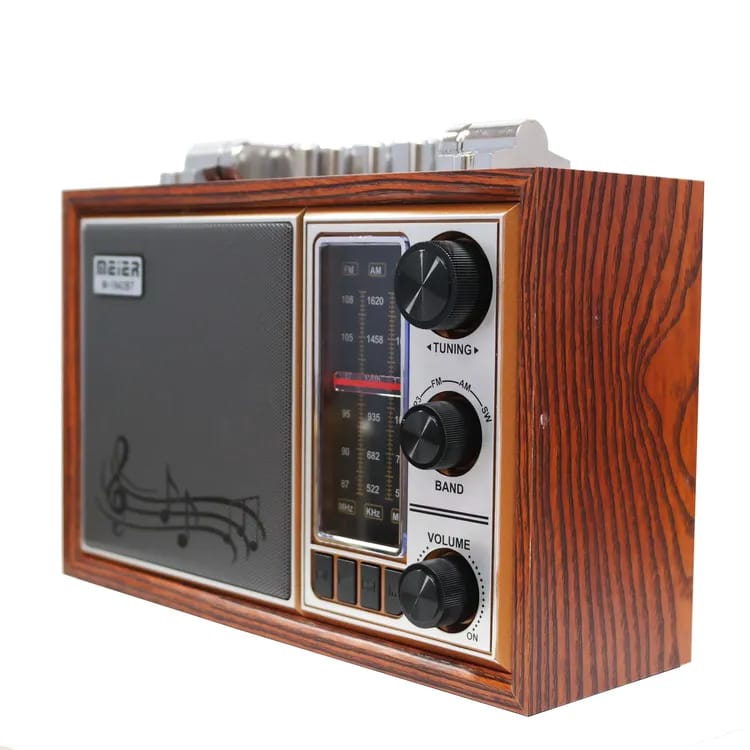
The big wooden radio and cassette player
Before Bluetooth speakers and streaming platforms, entertainment often came from a large radio-cassette player.
It was not unusual to see parents carefully record songs from the radio onto cassette tapes or play albums bought from a music shop.
The cassette collection could contain everything from highlife and gospel to reggae, juju, Nigerian pop and foreign music.
There was also the ritual of rewinding a cassette with a biro when the tape became tangled. Today, an entire music collection can fit inside a phone.
The encyclopaedia and dictionary shelf
There was a time when a respectable Nigerian home could have a small library containing dictionaries, encyclopaedias, religious books, newspapers and carefully preserved novels.
Children were often sent to “go and check the dictionary” rather than search online.
The encyclopaedia was treated almost like a family treasure.
Today, Google has replaced much of the physical reference shelf. A smartphone can answer a question in seconds that once required opening several books.
The sewing machine
For many Nigerian mothers, the sewing machine was more than a household appliance.
It was an emergency fashion department.
A torn uniform could be repaired. A loose button could be fixed. A dress could be adjusted. Sometimes, they made clothes from scratch.
The familiar sewing machine sitting in one corner of the house represented a certain kind of self-reliance.
Today, the average family is more likely to take clothes to a tailor or fashion designer than bring out a sewing machine at home.
The wall calendar
Not the sleek digital calendar on your phone.
The enormous wall calendar featuring a bank, church, beverage company, supermarket or pharmaceutical company.
It hung in the kitchen, sitting room or bedroom, and everybody knew what month it was because someone had already turned the page. The calendar often came with a free advertisement, which somehow made it even more valuable.
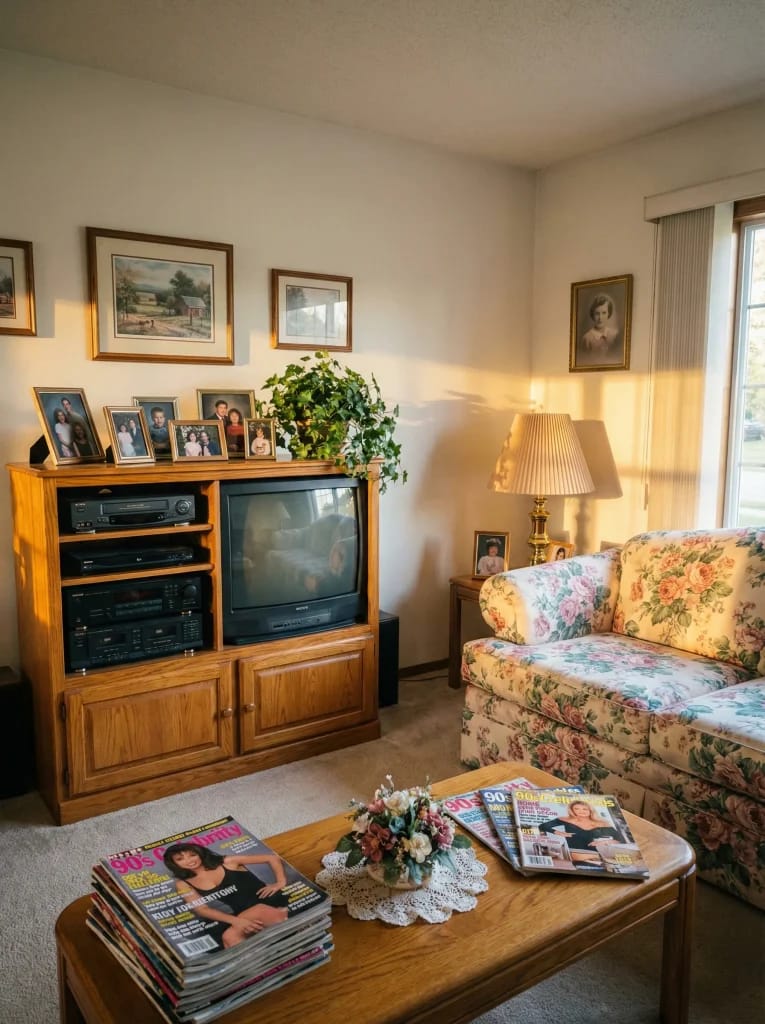
The centre table covered with magazines
Another disappearing feature was the stack of newspapers and magazines sitting proudly on the centre table.
Newspapers were read from front to back. Magazines were passed around. Visitors could pick one up while waiting.
Today, news arrives through social media, websites and messaging apps. The physical newspaper has become less central to everyday family life, while magazines are increasingly consumed digitally.
The “special occasion” dinner set
These come out during Christmas, birthdays, weddings or when an important visitor arrives. Everyday plates were for everyday people. The beautiful set was for special occasions.
Today, younger homeowners are more likely to buy dinnerware they use regularly rather than maintain an entire collection for occasional display.
The lace curtains and heavy drapes
There was a particular Nigerian approach to window dressing: lace curtains underneath, heavy curtains on top, sometimes with elaborate valances completing the arrangement. The heavier and more decorative the curtains, the more impressive the sitting room seemed.
Modern interiors have moved towards blinds, simple curtains, sheer fabrics and minimalist designs.
The transformation is more than aesthetic. It reflects a broader shift in how Nigerians understand the home.
Our parents often designed their homes for visitors, but young Nigerians design theirs primarily for themselves.
What did we really lose?
These objects were not merely household possessions. They were part of the architecture of Nigerian family life.
The radio created shared listening experiences while the telephone connected the household to relatives and friends. The dining set came out during celebrations. The wall calendar marked the passing months, and the sewing machine represented resourcefulness. The display cabinet reflected pride. Even the plastic-covered sofa told a story about a generation that believed good things should be protected.
Perhaps that is why seeing one today can transport an adult back to childhood almost instantly.