Sole Heir: Kaypee’s Footwear Line Marries Tradition with Executive Edge
By Yemisi Suleiman
In a fashion landscape that often overlooks African menswear, Kolapo Omoyoloye of Kaypee steps forward with something quieter but more powerful: intent.
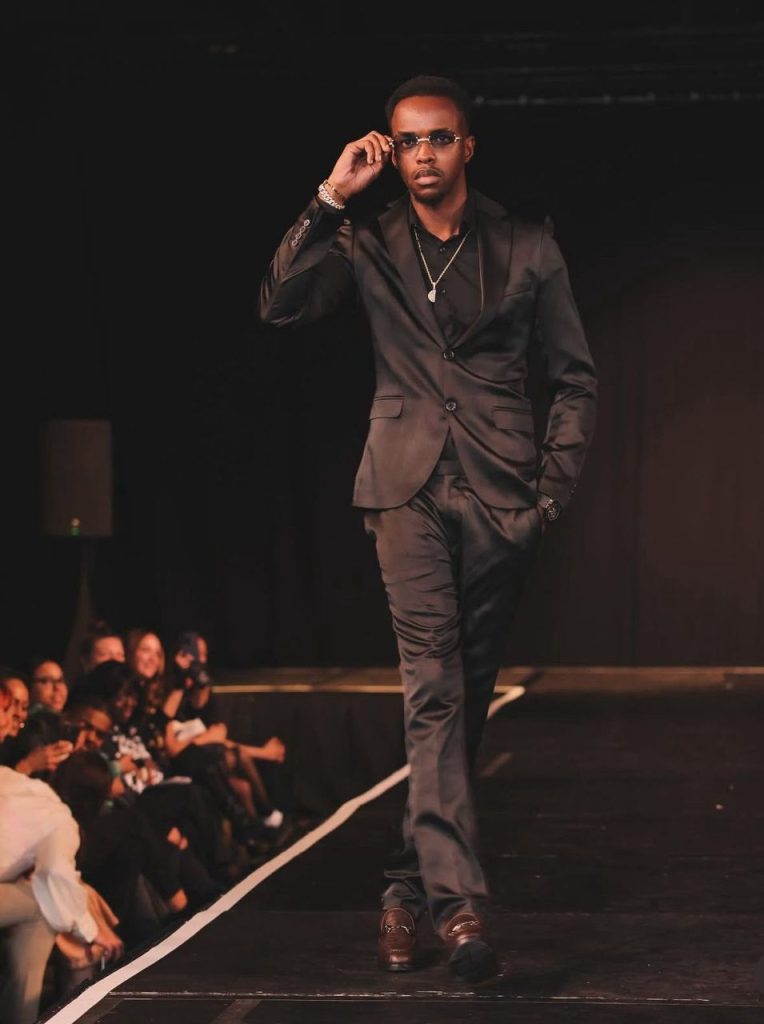
The Sole Heir collection, revealed this September, speaks volumes through minimalism. Each shoe is a study in craftsmanship and commercial clarity, a rare feat that merges the codes of classic menswear with the needs of a generation in motion. Think: timeless silhouettes for men who live in both boardrooms and back streets, galleries and gig economies.
The black cap-toe oxford is a standout. It doesn’t try too hard, and that’s the point. The lines are clean, the leather polished but not flashy, and the stitching almost meditative in its discipline. It’s the type of shoe that elevates a navy suit, but just as easily anchors jeans and a trench for weekend brunch.
A pair of heavy-soled black derbies grounds the collection with urban utility. They suggest mobility, not merely as a design feature, but as metaphor. Who are Nigerian men today, if not constantly adapting? These shoes say, “I’m here to build something, comfortably and stylishly.”
More unexpected are the chocolate brown pairs. Deceptively simple, they exude maturity. Worn with rolled-up linen trousers or tailored agbadas, they carry the grace of cultural confidence. It’s easy to picture them slipping from runway to registry office, from weekday hustle to wedding guest elegance.
Yet, one wonders, what’s next? While Kaypee has refined form and finish, there’s room to explore personality. A hint of local leather, bold contrast stitching, or even collaborations with textile artists could take the brand from strong to unforgettable.
A “Sole Heir” imprint beneath each pair could deepen the storytelling, transforming shoes into legacy markers.
Still, what Kaypee offers here is necessary. In an industry that often hyper-styles or under-delivers for men, this collection is a reset. It proves that subtlety can be strategic, and that Nigerian luxury doesn’t need to scream. It just needs to step forward and walk with purpose.