Phoebe: The Rising Voice Redefining Afro-Soul for a Global Stage
By Josephine Agbonkhese
With her genre-bending EP EarCandy and a voice that commands intimacy and power, Nigeria’s rising star is ready to take her sound and her story to the world.
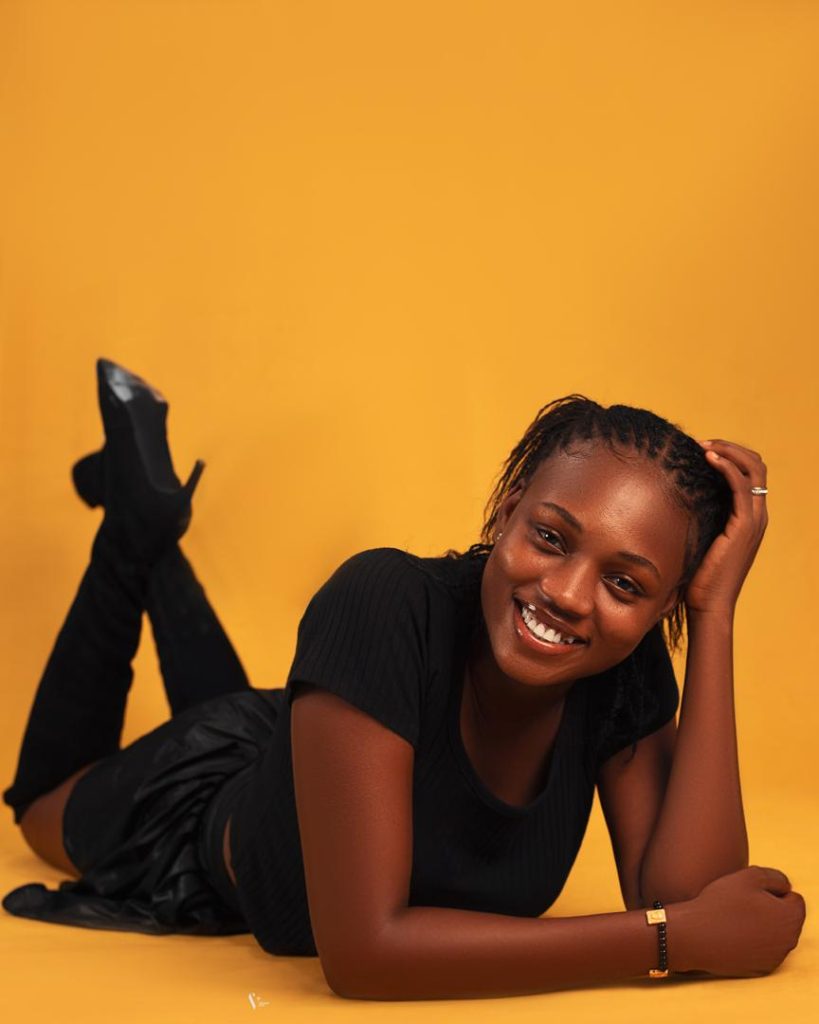
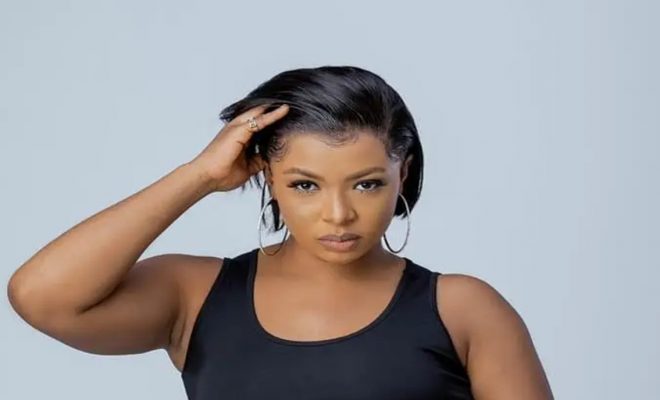
There are some voices that enter a room softly, like a secret you want to lean into. Others crash through with the force of a storm. Phoebe—born Babajide Oluwakemisola Christiana, manages to do both. With a sound that drapes itself in Afrobeat, lingers in the richness of R&B, and sways with reggae’s island ease, Phoebe is the kind of artist who doesn’t just sing a song; she inhabits it, shaping melodies into moments that feel both intimate and infinite.
Her debut EP, EarCandy, is a five-track voyage into her sonic world. Each track is a chapter: the Afro-R&B opener is smoky and seductive, an anthem follows with bold percussive confidence, and by the time her reggae-inspired love ballad closes the project, you realize Phoebe has taken you across continents in less than twenty minutes. This is music stitched with threads of versatility, refusing to be bound by a single genre. “I want my sound to travel,” she says. “To feel like home, but also like discovery.”
But long before the EP went viral in 2023, Phoebe was a girl in a choir stand, realizing that her voice could be more than a hobby. Her defining moment came on a university stage, bathed in the spotlight, as the applause of her peers crystallized into certainty: music wasn’t just calling her; it was claiming her. That performance changed everything, giving her the permission to believe in herself.
Influenced by the vocal powerhouses she grew up with—Celine Dion, Whitney Houston, Coco Jones, Simi; Phoebe’s delivery is lush and commanding. Her music, however, is rooted in something deeper than aesthetics. It is born of life’s bruises and its beauty, personal growth and cultural pride. Her track Paradise, a shimmering ode to self-love, came from a place of heartbreak and healing. “I had to learn to choose myself first,” she says, and when she sings it, you feel the lesson in every note.
The industry has already taken notice. Invitations to perform at the Most Beautiful Girl in Nigeria pageant, awards like Next Rated Artist at Taisolarin University, and mentorship collaborations with established names such as Sasha P are shaping her path. Yet Phoebe’s truest accolades come not from trophies, but from the messages of fans who tell her that her songs kept them going, lifted them when the world felt heavy.
She is also, quietly, a builder. In Lagos, she mentors young talents and leads songwriting circles, reminding others that their voices, too, deserve space. For an artist whose visuals—whether in striking photoshoots or narrative-driven videos, speak as loudly as her songs, this duality of personal artistry and communal giving feels integral. Phoebe isn’t only curating her own image; she’s nurturing a movement.
The future she envisions is unapologetically global: two albums, world tours, and collaborations with the likes of Tems, Burna Boy, and Coco Jones. Yet she speaks of it with the grounded calm of someone who knows that dreams are only realized through discipline, consistency, identity and resilience.
Phoebe’s music stands for healing, resilience, and identity. It is the soundtrack of choosing oneself, of loving deeply, of finding strength in vulnerability. She is not in a rush to chase trends; she is building something meant to last. In her, there is the quiet confidence of an artist who knows the world is waiting—and the grace of one who will arrive entirely on her own terms.
And when she does, you’ll know it.