The Intricacy of Lace in Perceptium Wears’ Owanbe Collection: Mastery or Overkill?
By Yemisi Suleiman
Lace has always held a revered place in fashion, especially within the Nigerian cultural context of Owanbe celebrations. It is a symbol of sophistication, elegance, and often, status.
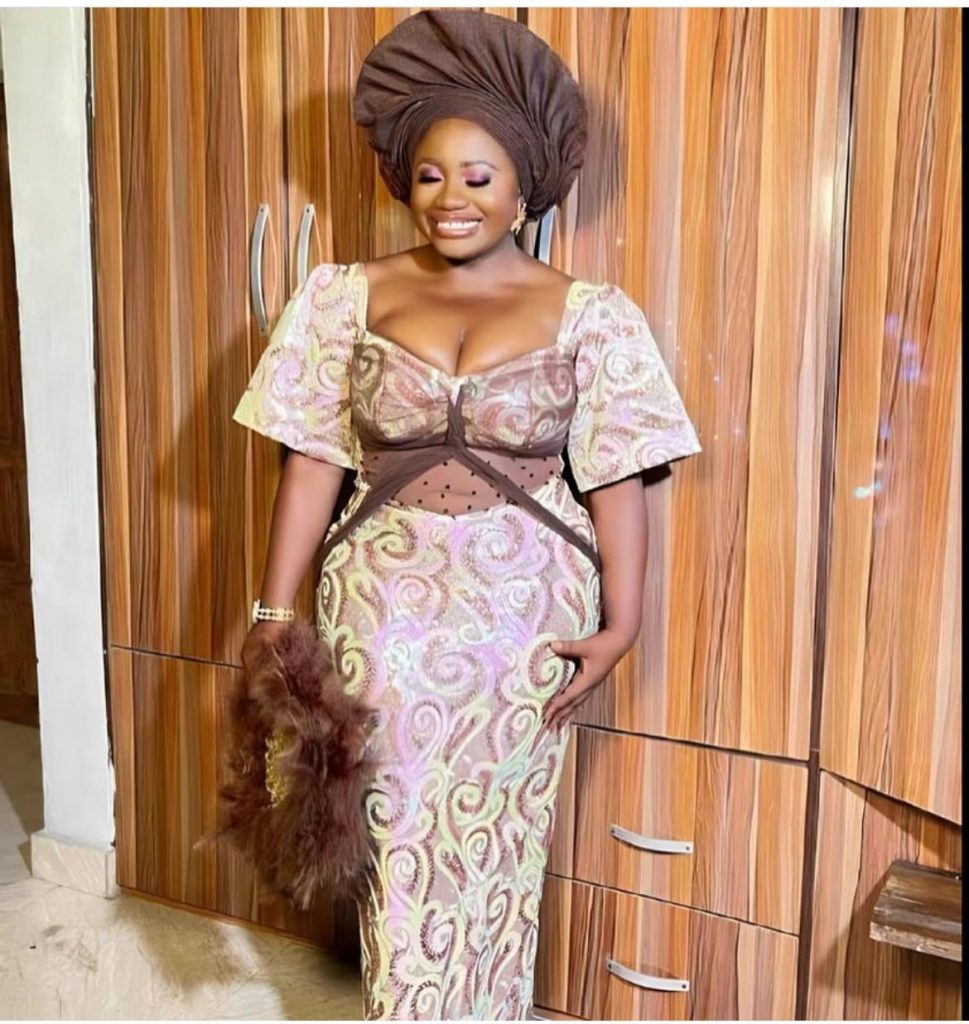
Perceptium Wears’ latest Owanbe collection, designed by Okuneye Qasim Opeyemi, has made lace the centerpiece of its lineup, and while this pays homage to tradition, the execution invites critique on whether the designs reach the heights of mastery or tread the line of excess.
Lace as a Centerpiece: Tradition with a Twist
At first glance, Perceptium Wears’ use of lace is impressive. Each piece in the collection incorporates intricate lacework that captures the eye. The detailing, especially in the floral motifs and geometric designs, is meticulously crafted, highlighting the brand’s commitment to quality. Lace is a fabric that has the ability to be both delicate and bold, and in this collection, Perceptium Wears strives to strike that balance.
However, while the lace itself is beautiful, it is in the overall execution where the collection begins to falter. In some designs, there seems to be a tendency to overuse lace in ways that feel excessive. For example, a gown covered entirely in lace from the bodice to the hem, paired with equally intricate sleeves and heavy beading, feels visually overwhelming. The lace, which should be the star of the outfit, becomes lost in a sea of embellishments.
In contrast, the pieces where the lace is used more sparingly — such as a simple lace top paired with a sleek satin skirt — allow the fabric to shine. Here, the lace stands out as a statement piece, rather than being overshadowed by too many competing elements. This suggests that sometimes, less is more when it comes to designing with such a strong fabric.
The Role of Detailing in Lace Designs
Lace, by nature, is a fabric that thrives on detail. The intricacy of the patterns, the careful arrangement of floral or geometric shapes, and the subtle variations in texture are what make lace such a coveted material in fashion. In this collection, Perceptium Wears takes advantage of these characteristics by using lace with a variety of designs, from large, bold patterns to smaller, more delicate ones.
One of the standout pieces in the collection features a dress with lace detailing in the form of oversized floral appliqués. This design element adds depth to the garment, creating a three-dimensional effect that is both visually striking and unique. However, in other designs, the lace patterns are so busy that they create a sense of chaos, rather than elegance. A balance needs to be struck between intricate detailing and overall visual harmony, and in some cases, the collection leans too heavily into complexity.
Layering and Transparency: A Delicate Balance
One of the most intriguing aspects of working with lace is its inherent transparency. Lace is often used in fashion to create an alluring balance between what is revealed and what is concealed. In Perceptium Wears’ Owanbe collection, this concept is explored through the use of contrasting linings beneath the lace.
In some pieces, this layering is done masterfully. A soft, blush pink lace overlay paired with a nude silk lining creates a subtle, romantic effect, allowing the lace patterns to appear as though they are floating on the skin. This plays into the traditional elegance of Owanbe fashion, while also incorporating a modern twist.
However, in other designs, the layering feels heavy-handed. A bright orange lace dress with a contrasting turquoise lining, for example, feels more jarring than sophisticated. The transparency of the lace, which should add a sense of lightness and airiness, is weighed down by the bold, contrasting colors. The result is a look that feels cluttered, rather than cohesive.
The Fine Line Between Intricacy and Overdesign
One of the biggest challenges in working with lace is knowing when to stop. Because lace is such a visually rich fabric, it can easily tip over into the realm of overdesign if not handled carefully. In Perceptium Wears’ collection, there are moments where the designs feel overworked, with too many elements competing for attention.
For example, a gown featuring lace, beading, ruffles, and an oversized bow at the waist feels like it’s trying to do too much. Each of these design elements could work on its own, but when combined, they create a sense of excess that detracts from the beauty of the lace. A more restrained approach, focusing on one or two standout features, would allow the lace to take center stage, rather than being overshadowed by unnecessary embellishments.
In contrast, the simpler designs in the collection — such as a sleek, lace-embroidered midi dress with minimal detailing — are far more successful. These pieces allow the lace to speak for itself, showcasing its intricacy and elegance without the need for additional adornments.
The Importance of Fit and Structure
Lace is a fabric that requires careful consideration when it comes to fit and structure. Because of its delicate nature, lace can easily lose its shape if not properly supported by the garment’s construction. In Perceptium Wears’ collection, the fit and structure of the garments vary, with some pieces achieving the perfect balance between form and fabric, while others fall short.
In the more structured pieces, such as a fitted lace blazer paired with tailored trousers, the lace is given the support it needs to maintain its shape. The result is a look that is both polished and elegant, with the lace adding a touch of softness to the otherwise sharp silhouette.
However, in some of the looser, more flowy designs, the lace feels unsupported, leading to a garment that appears shapeless and unstructured. In these cases, the lace, which should be the focal point, becomes lost in the overall design, creating a look that feels unfinished.
Conclusion: A Collection of Intricacy, but in Need of Restraint
Perceptium Wears’ latest Owanbe lace collection is a testament to the brand’s dedication to craftsmanship and innovation. The lacework in the collection is undeniably beautiful, with intricate patterns and detailing that showcase the brand’s commitment to quality. However, the collection is not without its flaws.
In many of the designs, the lace is overpowered by excessive embellishments, bold linings, or too many competing design elements. The result is a collection that feels at times overworked and lacking in focus. Moving forward, Perceptium Wears would benefit from a more restrained approach to design, allowing the lace to take center stage without the need for unnecessary adornments.