A Critical Evaluation of OBIREEN’s Raffia Dress: Innovation, Craftsmanship, and Culture
By Josephine Agbonkhese
In African fashion, where old traditions meet modern creativity, natural materials continue to inspire fresh ideas. One of these materials is raffia. A fibre with deep roots across West and Central Africa. OBIREEN’s use of raffia shows a clear understanding of how something traditional can be transformed into a modern piece of fashion.
For generations, raffia has been used in many African communities for weaving baskets, mats, ceremonial outfits, and even for important cultural dances. It was a material that carried meaning, identity, and craftsmanship.
Today, it has found its place in fashion as a bold, expressive material proving that something once used for everyday life and cultural rituals can become a beautiful fashion staple.
A raffia dress immediately signals a link to African heritage. Raffia is raw, textured, and naturally structured. By choosing this material, OBIREEN blends tradition with modern style, showing the brand’s dedication to cultural preservation while still exploring new design possibilities.
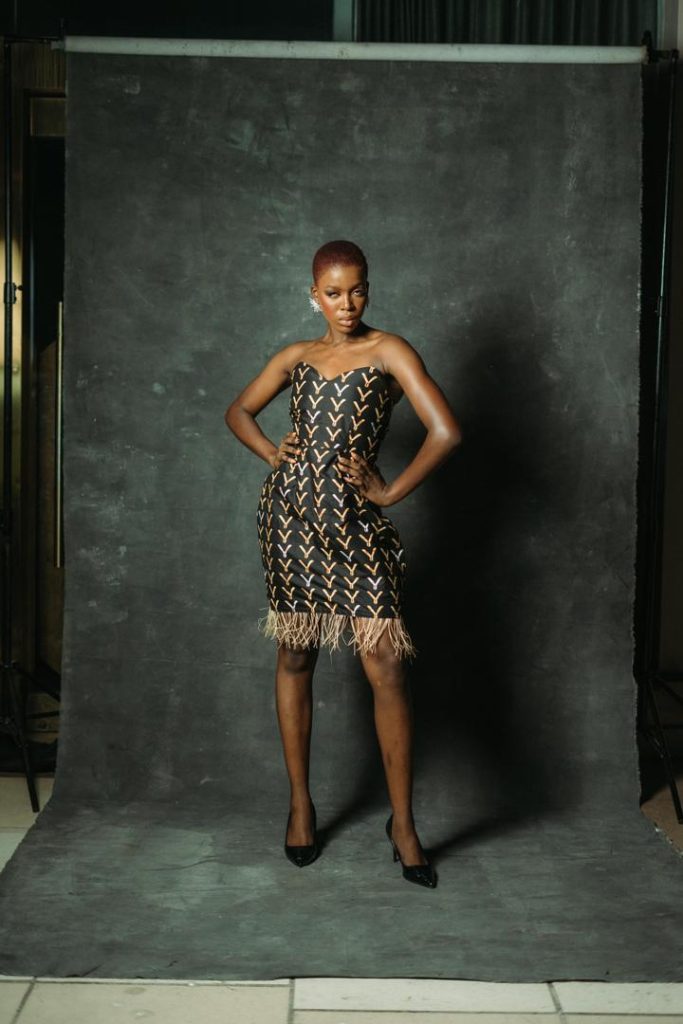
Unlike regular fabrics, raffia is not soft or flexible. Its firm texture challenges the designer to rethink shape and movement. This makes the dress more conceptual a piece that celebrates African roots through structure rather than flow. However, this same firmness can limit how freely the designer can express certain ideas. The material demands control, and while it creates a bold silhouette, it also reduces softness and fluidity that some people might expect in a dress.
Working with raffia requires patience and skill because the fibre does not stretch and can easily fray. OBIREEN’s craftsmanship shows careful planning and a deep understanding of how to handle such a delicate material. Every part of the dress from the weaving to the finishing must be done with precision. This level of care is impressive, but it also means the construction process is slow. Any small mistake can show, and that pressure naturally limits how experimental the designer can be. There is very little room for mistakes, and that level of detail shows in the final result.
Still, raffia has its limitations. It is delicate, sensitive to moisture, and not made for long periods of movement. Even with the care taken during construction, the material naturally has a shorter lifespan than fabric. This raises a fair concern: a material so fragile may not match every customer’s expectations. Some may see it as art, while others may see it as something they cannot wear more than once or twice. This raises an honest question, Is the technical effort worth it for a garment that may not be worn many times? As a runway or artistic piece, the answer is yes.
The dress is visually striking and culturally expressive. But for everyday wear, raffia is not ideal, and that is simply the nature of the material.
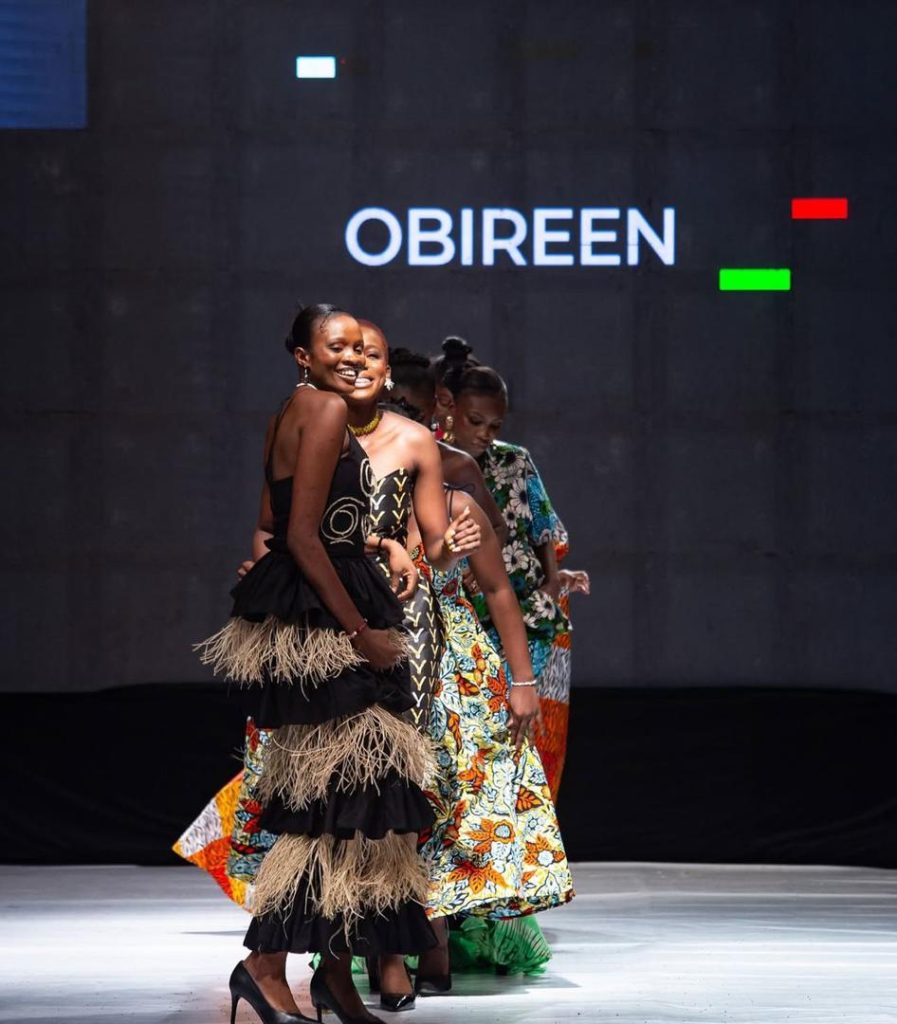
One of the strongest qualities of a raffia dress is its texture and natural beauty. OBIREEN uses these qualities to create a sculptural silhouette that stands apart from typical fabric designs. The earthy feel, the gentle volume, and the handmade look bring the dress to life. Techniques like layered fringe, braided panels, and structured folds all add movement and character. Still, because raffia doesn’t bend easily, some design ideas naturally have to be simplified. This means the beauty of the dress comes more from shape and texture than from fine detailing, which may not appeal to someone who prefers softer or more intricate pieces.
On runways, in editorials, or in museum-style displays, the dress stands out immediately because of its cultural meaning and strong presence. However, the stiffness of raffia limits how detailed the design can be. The designer must work within its boundaries, which means the beauty comes from simplicity and structure, not from intricate detailing.
Raffia is also environmentally friendly, it is renewable, biodegradable, and responsibly sourced. This makes it a strong choice for sustainable fashion. Even though a raffia piece may not last forever, its cultural relevance and natural origin bring value that synthetic materials cannot offer.
In the end, OBIREEN’s raffia dress succeeds as a meaningful statement piece. It merges culture, artistry, and modern fashion in a way that feels honest and intentional. The craftsmanship is clear, the message is strong, and the design celebrates African heritage with pride. While it may not be the most practical everyday garment, it was never meant to be. It is a bold expression of identity, creativity, and tradition reimagined for today’s world.