Restraint as Revolution: Inside Agbons-GL’s Deliberate Rebellion Against Fast Fashion
By Josephine Agbonkhese
In a fashion industry shaped by rapid cycles and constant visibility, Agbons-GL stands apart through precision, restraint, and conceptual clarity.
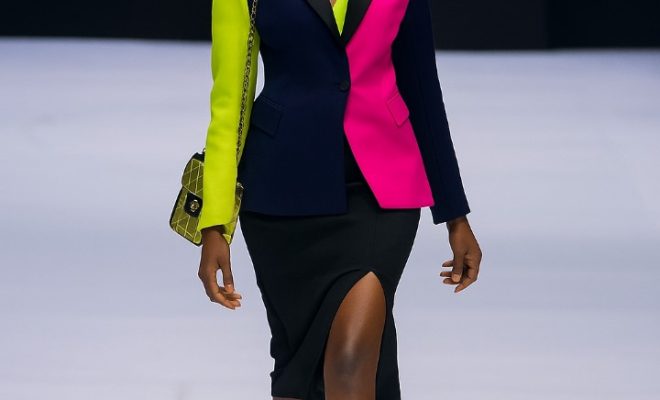
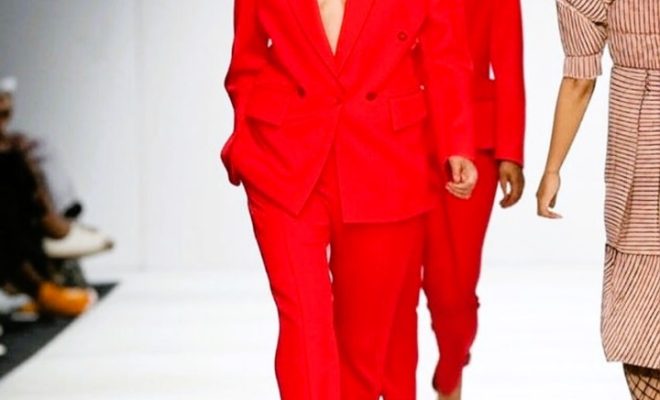
Led by Glory Agbonita Ehizuenlen, the brand is defined by a design approach that prioritizes structure, intentionality, and thoughtful construction over trend-driven excess.
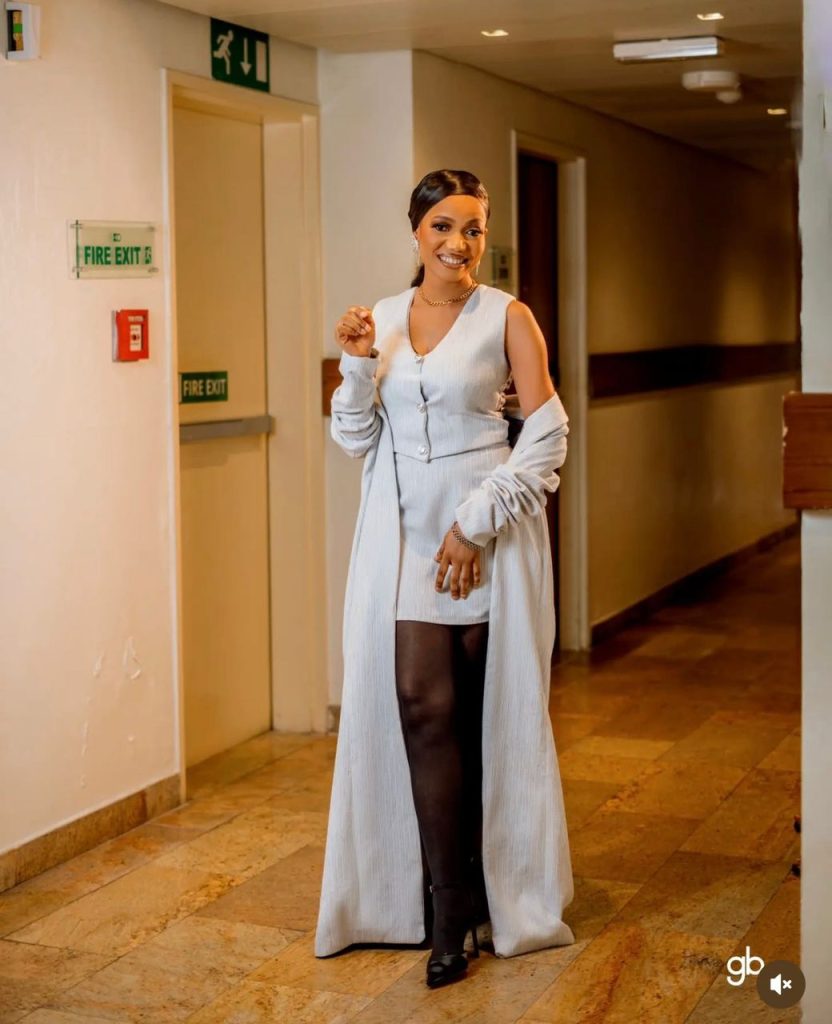
Agbons-GL’s work reflects a commitment to disciplined creativity, where garments are developed as functional systems that communicate presence and authority through form, proportion, and material choice. Each collection emphasizes longevity and coherence, positioning the brand within a contemporary design space that values substance over immediacy.
In this interview, Ehizuenlen discusses her design philosophy, creative process, and the principles that guide Agbons-GL’s practice within today’s fashion landscape.
Your designs are often described as “architectural” or “structural,” yet they feel alive, responsive, and in dialogue with the wearer. Could you explain your design process in detail from the very first conceptual seed to the final garment emphasizing how you translate abstract ideas about presence, authority, and space into tangible forms, while maintaining both creative intuition and disciplined methodology? How do observation, experimentation, and iterative refinement guide this process, and how do you measure success at each stage?
Design begins with observation. I spend extensive time analyzing behavior, posture, and spatial interaction. I look at how people occupy a room, how subtle gestures convey confidence, hesitation, or authority. This observational phase is never rushed. I treat it as an intellectual exercise, not a task it informs the conceptual DNA of a collection.
Once observations settle into an idea, I consider the psychology of movement and proportion. At this stage, there are no sketches only mental models of tension, line, and flow. I ask: How will this garment sit on a body? How will it alter perception? What subtle messages of authority or presence does it convey? These questions guide the conceptual framework.
After the mental modeling, sketches and draping begin. I use fabrics experimentally, often combining stiff textiles with softer, responsive materials. Panels, folds, and asymmetries are tested repeatedly. Negative space is carefully mapped, and the piece loses presence; too little, and it feels constraining. Each decision is measured for both visual and experiential impact.
Prototype garments are tested on live models. Movement, posture, and interaction with different environments are observed. Adjustments are made at a micro-level: a fold shifted a centimeter, a seam tensioned differently, a hemline subtly altered. These small calibrations significantly affect how the wearer experiences the piece and how observers perceive authority and poise.
Finally, the piece is finalized. Success at this stage is not about commercial appeal, it is about alignment: between concept, execution, wearer experience, and spatial presence. If a garment achieves this, it is ready for production and presentation. This process allows freedom within structure improvisation within the constraints of purpose, ensuring garments are intentional yet alive.
Agbons-GL balances restraint with expressiveness, structure with fluidity, and minimalism with presence. Could you explain the technical and conceptual strategies you use to achieve this tension? How do pattern design, fabric manipulation, proportion, and layering contribute to this balance? How does this tension reflect your broader philosophy about human experience and interaction with space?
The tension you describe is entirely deliberate. I see garments as extensions of human behavior: they communicate authority, presence, and subtle power without words. This requires a balance between containment and fluidity.
Technically, patterning is central. I experiment with asymmetry, layering, and modular panels that guide movement without appearing calculated. Each seam, fold, or overlap is intentional. For instance, in one recent collection, a sharply structured wool panel was juxtaposed with a fluid silk overlay. The result was dynamic tension: the garment asserts form yet moves organically with the body.
Proportion plays a critical role. Slight exaggerations, reductions, or elongations can shift posture and presence subtly. These adjustments influence how a wearer is perceived in space without overt performance. Minimalism amplifies this effect: by stripping away distraction, every line, edge, and fold communicates intention.
Material experimentation further reinforces this philosophy. Textures respond differently to light and movement, creating an active dialogue with space. Even negative space, the areas of garment left intentionally open becomes part of the design vocabulary, controlling rhythm and flow.
Conceptually, this tension mirrors lived experience. People exist in constant negotiation between control and spontaneity, authority and openness. Agbons-GL translates these dynamics into clothing, offering garments that act as agents, shaping presence while allowing freedom of expression.
The global fashion system prizes immediacy fast cycles, instant visibility, and trend adoption.
Agbons-GL has maintained a slower, more reflective approach. How do you navigate commercial pressures and professional expectations while adhering to a deliberate, principle-driven design methodology? How has this approach influenced both the creative team and operational practices?
The system rewards noise and volume. Our approach is intentionally different. Each collection develops over months of research, experimentation, and refinement. The slower pace allows depth, which is increasingly rare in the industry.
This approach challenges commercial expectations. Stakeholders often question timelines or output volume. My response is grounded in principle: short-term gains are meaningless if they compromise clarity, execution, or conceptual integrity. By prioritizing process over speed, we maintain coherence, ensure quality, and build long-term trust with our audience.
Operationally, slower pacing allows for structured workflows. Teams are not overextended, prototyping is precise, and quality control is rigorous. Each decision, fabric selection, cut, seam construction is carefully tested. This ensures that every release is a thoughtful, intentional statement, rather than a reactive product designed solely for visibility.
The creative team has adapted to this approach because it prioritizes mastery over quantity. Team members engage deeply with problem-solving, material exploration, and spatial dynamics. The culture becomes one of precision, reflection, and professional rigor, rather than frantic output.
Your designs are culturally informed but never rely on overt motifs, prints, or decorative symbols. How do you translate cultural awareness into garments, and how does this influence proportion, layering, and structural decisions? How do you balance respect for cultural heritage with a contemporary global context?
Culture informs behavior, hierarchy, and spatial awareness more than visual motif. I study traditional practices, body mechanics, and the philosophy behind dress rather than patterns or decoration. These principles shape silhouette, layering, tension, and negative space.
For example, in a collection inspired by West African ceremonial dress, I abstracted discipline, layering, and poise into structured tailoring and paneling. No prints or obvious references were used. The garment communicated presence and authority, resonating with heritage without performing it literally.
Balancing heritage with contemporary relevance requires restraint. I constantly ask: Does this enhance the wearer’s experience without relying on superficial markers? Does it maintain clarity of concept? Cultural awareness becomes an invisible scaffolding: supporting expression, not dominating it.
This methodology ensures that Agbons-GL garments are understood universally while remaining rooted in thoughtful observation of lived experience
Negative space, proportion, and minimalism are recurring elements in your work. How do you approach these concepts practically during design, and how do they interact with the wearer’s psychology, spatial perception, and confidence? How do these principles guide decisions about cut, layering, or silhouette?
Negative space is far more than aesthetic; it is functional and communicative. I consider it an active part of the garment. How space is allocated around the body can influence posture, gesture, and presence. In my practice, I constantly ask: Which areas of the garment should assert weight, and which should allow the body to breathe?
Proportion is a subtle but powerful tool. Slight elongation, reduction, or angularity can adjust how a body occupies space and conveys authority. These adjustments are never arbitrary; they are informed by observation, testing, and iterative refinement.
Minimalism amplifies intentionality. Every line, seam, and fold must justify its existence. By stripping away unnecessary visual noise, the garment communicates clarity and strength, allowing the wearer’s presence to resonate naturally.
Layering is approached as a way to manipulate tension and rhythm. Structured panels may overlay fluid fabrics, creating both contrast and cohesion. The wearer experiences this as control without constraint, movement is guided but free, power is projected without performance.
In practice, decisions are tested repeatedly. A prototype may sit on a model for hours, tested under different lighting, movement, and environmental conditions. Adjustments at millimeter levels, folds, hemlines, seam placement create cumulative effects that define the wearer’s spatial presence.
Ultimately, these elements, negative space, proportion, and minimalism are not decorative tools. They are strategic instruments for presence, interaction, and authority, reflecting the philosophy that garments are active participants in human experience, not static objects.
Agbons-GL places immense value on operational discipline, precision, and process, yet your work remains highly creative. How do you structure the professional workflow to ensure both conceptual rigor and operational efficiency? How do these systems support experimentation, iteration, and sustained creative output without sacrificing quality or integrity?
Operational discipline is the backbone of creative freedom. Without clear processes, ideas cannot be executed effectively. At Agbons-GL, every stage research, conceptualization, prototyping, and production is mapped with defined checkpoints, standards, and evaluation criteria.
We maintain rigorous documentation. Each garment’s evolution from sketches to pattern notes, fabric sourcing, and prototype adjustments is recorded. This ensures continuity and reproducibility, and it allows team members to reference prior decisions, learning from both successes and failures.
Experimentation is intentionally structured. We dedicate time to test unconventional combinations of fabrics, patterns, and layering techniques within defined frameworks. Risk is controlled, but curiosity is encouraged. This balance fosters innovation without chaos.
Iteration is central. A single design may undergo multiple revisions over weeks or months. Movement, tension, and spatial perception are reassessed continuously, ensuring that the final garment embodies both conceptual integrity and technical excellence.
Workflow transparency ensures that every team member understands objectives, expectations, and impact. Accountability and clarity reinforce collaboration, preventing misalignment that could compromise quality or intent.
Finally, operational discipline supports sustainability. Controlled production, quality checks, and resource management prevent overproduction or compromised craftsmanship, reinforcing the brand’s long-term integrity.
Collaboration and partnerships are increasingly critical in the global fashion industry. How do you evaluate potential collaborators, and what criteria ensure that joint projects or commissions align with Agbons-GL’s philosophy, operational standards, and long-term vision?
Collaboration begins with alignment. Philosophical compatibility is non-negotiable: the collaborator’s objectives, methods, and values must complement Agbons-GL’s principles. Without this alignment, partnership risks dilution of clarity and coherence.
Operational compatibility is equally important. Partners must adhere to timelines, quality standards, and professional rigor. Misalignment here creates friction, slows workflow, and compromises output.
Projects are evaluated for long-term impact. We ask: Will this collaboration reinforce the brand’s vision? Does it contribute meaningful dialogue in the design space? Visibility or short-term gain is never the primary metric.
Contracts and agreements are precise, detailing deliverables, responsibilities, and quality expectations. This may feel procedural, but clarity removes ambiguity, allowing creativity to flourish within safe parameters.
Finally, cultural and conceptual resonance is considered. A successful collaboration must allow the final work to communicate presence, authority, and intentionality, consistent with Agbons-GL’s design philosophy.
In an industry dominated by trend cycles and seasonal pressure, how do you define and measure success both professionally and creatively? How do you ensure that Agbons-GL maintains relevance without compromising intellectual and conceptual rigor?
Success is alignment between intention, execution, and experience. If a garment communicates its conceptual goals, resonates with the wearer, and maintains structural integrity, it is successful.
Commercial metrics sales, visibility, or adoption are secondary, though not irrelevant. They must be contextualized within the broader goals of longevity, clarity, and conceptual integrity.
Relevance is maintained by continual observation of human behavior, material innovation, and environmental awareness, rather than reactive trend-following. This ensures that the brand evolves deliberately and thoughtfully.
Team development is also a measure of success. Staff must be empowered to uphold standards, embrace iterative testing, and contribute to an environment where conceptual rigor and operational discipline coexist.
Ultimately, success is cumulative. It is seen in coherence across collections, fidelity to philosophy, and the brand’s ability to operate sustainably and intelligently within a volatile industry.
Sustainability, both environmental and operational, is increasingly critical in contemporary design practice. How do you integrate sustainability into Agbons-GL’s workflow, and how does it influence decisions from fabric sourcing to production and lifecycle management of garments?
Sustainability begins with intentionality. Every material is evaluated for durability, sourcing ethics, and environmental impact. We prioritize materials that age gracefully, maintain structural integrity, and reduce waste.
Production is tightly controlled. Garments are not mass-produced indiscriminately; each piece is crafted deliberately, with quality checks at every stage. This prevents overproduction and ensures longevity.
Lifecycle management is embedded in design. Pieces are created with repair, maintenance, and enduring aesthetic relevance in mind. Functionality, timelessness, and material resilience are as important as visual design.
Operational sustainability is also considered. Workflow efficiency, resource planning, and team capacity management prevent burnout, errors, and compromise of standards, ensuring the brand maintains integrity over time.
In sum, sustainability is not an add-on; it is integral to both creative and professional practice, reinforcing clarity, discipline, and intentionality across all levels of Agbons-GL.
Looking forward, how do you envision Agbons-GL evolving over the next decade, both in terms of creative output and professional practice? What guiding principles will ensure that growth enhances sophistication, preserves clarity, and strengthens the brand’s position in a rapidly shifting global industry?
Future evolution will be about deepening, not diluting, the brand’s philosophy. Proportions, material exploration, and technical execution will advance, but the guiding principles of clarity, restraint, and intentionality remain fixed.
Operationally, I plan to strengthen systems that support iterative experimentation while maintaining quality control. Growth should reinforce standards, not compromise them.
Strategic collaborations, research, and selective expansion will be pursued, but only if they align with long-term vision and reinforce brand coherence. Quantity will never overshadow conceptual clarity.
Finally, education and mentorship within the studio are critical. Ensuring that emerging team members understand both conceptual and operational rigor guarantees that the philosophy of Agbons-GL can scale sustainably.
Ultimately, the next decade will emphasize sophistication through precision, innovation through discipline, and growth through alignment, ensuring that Agbons-GL continues to demonstrate that deliberate, intellectually rigorous design can thrive in a fast-paced industry without compromise.