Self-Advocacy: A Pivotal Tool Of Healing In Mental health
By Dr. Gbonjubola Abiri
Kaka had mastered the art of pretending. He would smile through work meetings, engage rigorously in activities at church and laugh loudly at home to drown the chaos in his own mind. He appeared to have it all together. Unknown to many, he was battling alcohol dependence, anxiety, sleepless nights and an increasing sense of hopelessness he couldn’t explain.
When asked how he was feeling, he would respond: “I am fine.” In spite of the storms that ravaged on in his life.
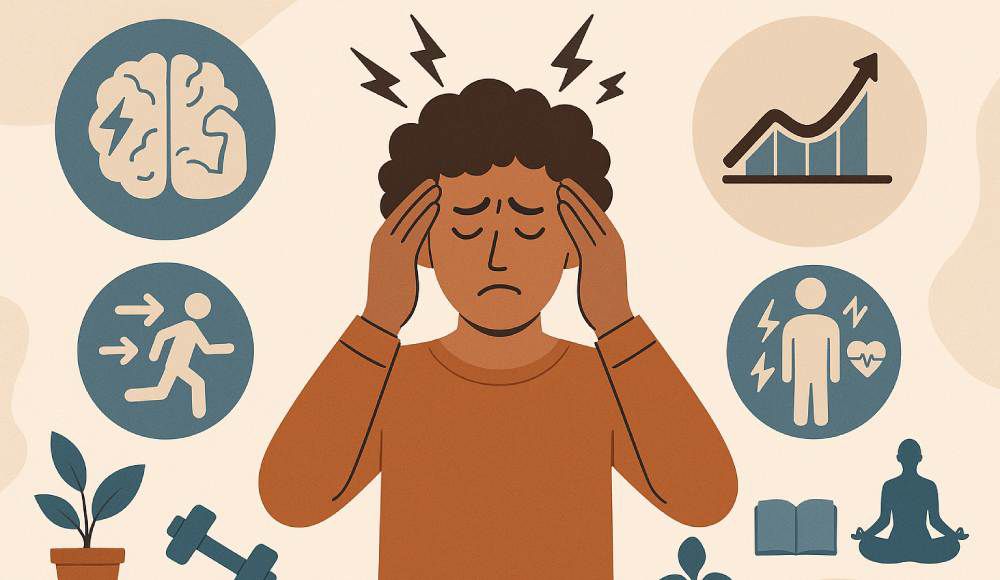
Kaka was clearly not fine.
His childhood had been riddled with trauma. The physical and psychological abuse from his parents set the foundation for emotional struggles that were described as signs of weakness. He constantly felt unsafe and locked in an unending cycle of survival, anxiety and emotional exhaustion. As he grew older, he felt the need to always have it all together and just be stronger.
One evening, as he watched the 2019 movie Joker, a line jumped right at him: “The worst part of having a mental illness is people expect you to behave as if you don’t”. In that moment, he got it. He felt validated and mostly understood.
The sentence from the movie reflects the harsh reality that people living with mental health conditions face. Society often encourages silence while demanding composure, productivity and normalcy from people who struggle internally. There is the ‘Just snap out of it’ or ‘it can’t be that bad’ attitude the society expects from people who carry invisible wounds. The wounds may be caused by childhood trauma, loss, relationship issues, financial challenges, domestic violence, all of which impact negatively on the individual’s quality of life, relationship and productivity at work.
And so for Kaka, that moment changed everything. He decided that he didn’t want to suffer anymore and would instead speak up, for himself. He went on to book an appointment with a mental health professional.
For the first time in forever, he spoke about his experiences, asked questions, admitted his fears and spoke openly and honestly about his struggles. He also started to advocate for himself as he requested for support from work, instituted healthier boundaries and educated family and friends about his health. Change started that day and continued over the next few months. He noticed that the more he spoke up, the lighter he felt. While self-advocacy didn’t erase his traumatic experiences and mental health challenges, it transformed his healing journey.
As the Mental Health Awareness Month of May comes to an end, our goal should be that people have honest conversations without shame, fear or stigma.
Healing is not often found in silence. Sometimes, healing begins with finding the courage to say: “I am going through something difficult and I deserve support too”.
Self-advocacy may not remove every struggle, but it remains one of the most powerful and pivotal tools of healing in mental health.
Remember there is no health without mental health.