How Social Media Is Changing Nigerian Celebration
By Eseoghene Adakare
Nigerian celebrations have always been colourful, loud and full of style. From weddings and birthdays to naming ceremonies and owambes (outdoor parties), people dress up, decorate their venues and gather to celebrate important moments. But today, there is another guest at almost every celebration—social media!
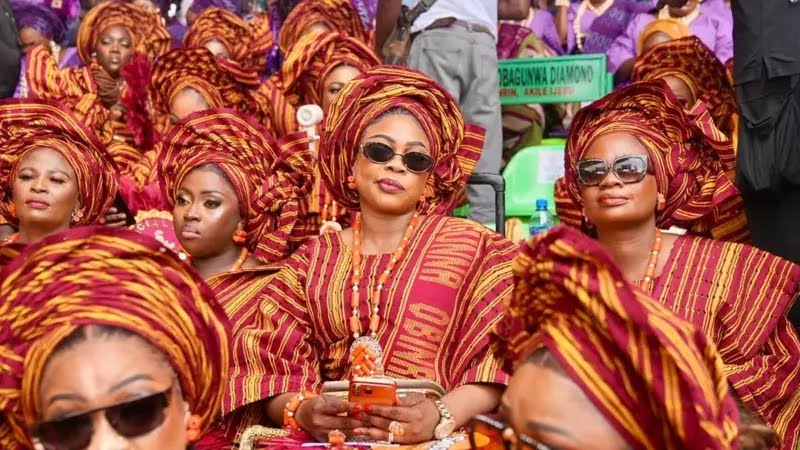
With Instagram, TikTok and other platforms, celebrations are no longer only experienced by the people who attend them. They are photographed, recorded and shared with hundreds or even thousands of people online. This has changed what people expect from their events and, in some cases, how much they are willing to spend.
Ekole Fortune, an event planner, has noticed the change among her clients. She said clients now request trendy, aesthetic and visually appealing setups that will look good on Instagram and TikTok. Colours, lighting, backdrops, table settings and content-friendly spaces have become important parts of event planning.
“Clients now request beautiful backdrops, photo areas, statement decorations, and moment that will look good on camera,” Fortune said.
According to her, social media has also made celebrations more elaborate. People want their events to stand out and be memorable online, but this has also increased pressure to spend. Seeing other people’s celebrations can make people compare their own events and want to match or surpass what they see.
For some people, however, social media is not the main reason for attending an event. Ogude Franklin believes the primary purpose of attending a celebration should remain the celebration itself. He said he sometimes attends events without taking pictures or creating content, except when he wants to keep personal memories.
Franklin believes social media has created a culture where people see what others have and turn it into competition. “People now see what serves as a competition to them and now try to impress or oppress others,” he said.
Still, social media can also provide inspiration. Faith Olujimi, a young Nigerian, said seeing birthday parties, weddings, decorations and outfits online has influenced how she imagines her own celebrations. She has seen decorations and cakes online and thought, “I want this too.”
For her, the influence can be positive because it exposes people to new ideas and creative ways of celebrating. However, she also believes it can create unnecessary pressure. When people constantly see expensive celebrations online, they may begin to feel that their own events are not good enough unless they look similar or better.
The difference today is that people are not only planning celebrations for the guests in front of them. They are also thinking about the people who will see the pictures and videos afterwards. A beautiful backdrop can become a photo spot, a carefully chosen outfit can become content, and a well-decorated table can become part of a social media post.
Social media has therefore made Nigerian celebrations more creative and visually exciting, but it has also introduced another layer of pressure. There is nothing wrong with wanting a beautiful celebration or taking pictures to preserve memories. The problem begins when inspiration turns into competition and people spend beyond their means just to impress an online audience.
At the end of the day, a celebration should still be about the people, the memories and the reason everyone gathered. Social media can document the moment, but it should not become the reason for it.
As the culture continues to evolve, the challenge for Nigerians is finding a balance between enjoying the creativity that social media offers and remembering that not every celebration needs to compete with what is trending online. Memories may not always be expensive.