Your Makeup Isn’t the Problem: Simple Mistakes That Can Ruin Your Look
By Eseoghene Adakere
Makeup is meant to enhance your appearance, but sometimes, despite using expensive products, the final result does not look as expected. The problem may not be the quality of the makeup itself. Simple mistakes in application, preparation or product selection can easily ruin an otherwise beautiful look.
From choosing the wrong foundation shade to applying too much powder, here are some common makeup mistakes and how to avoid them.
Using the wrong foundation shade
One of the most noticeable makeup mistakes is using a foundation shade that does not match the skin. A shade that is too light can make the face appear grey or ashy, while one that is too dark can create an obvious contrast between the face and neck.
When choosing a foundation, test it around the jawline or neck rather than relying only on the colour of your hand. The right shade should blend naturally into the skin.
Applying too much foundation or concealer
More makeup does not necessarily mean better coverage. Applying several layers of foundation and concealer can make the face look heavy and cakey, particularly in hot weather.
Start with a small amount and build the coverage gradually, especially in areas that need more attention.
Skipping skin preparation
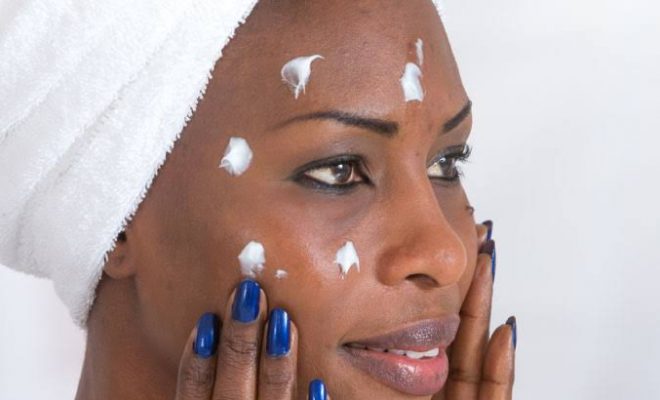
Makeup tends to sit poorly on unprepared skin. Very dry or dehydrated skin can make foundation cling to flaky areas, while excess oil can cause makeup to break down quickly.
Before applying makeup, cleanse the skin and use a suitable moisturiser. Allow skincare products to absorb before moving on to makeup.
Using dirty brushes and sponges
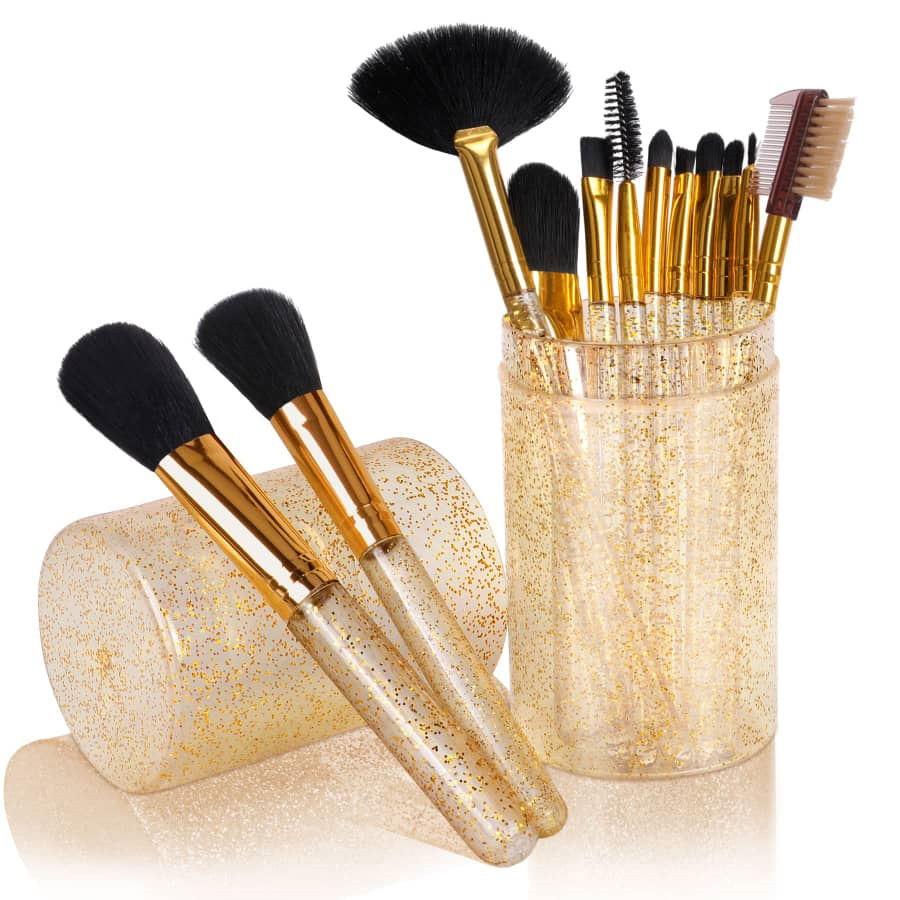
Makeup tools collect product, oil, dead skin cells and bacteria when they are not cleaned regularly. Apart from affecting how makeup blends, dirty tools can also contribute to skin irritation and breakouts.
Brushes and makeup sponges should be cleaned regularly and allowed to dry properly before they are used again.
Making the brows too harsh
Overdrawn or extremely dark brows can make the entire face look unnatural. Instead of creating a heavy outline, use light strokes to fill sparse areas and blend the product through the brows.
The goal is to define the brows while maintaining a natural appearance.
Choosing the wrong powder
Powder helps to set makeup and control shine, but using too much or choosing an unsuitable shade can leave the face looking dull, overly pale or dry.
Use powder sparingly, particularly around areas that do not become excessively oily.
Failing to blend properly
A well-applied foundation should transition naturally from the face to the neck. Visible lines around the jawline can make even good makeup look unfinished.
Take time to blend around the jaw, hairline and other areas where products meet.
Using old makeup
Makeup products do not last forever. Using products long after their recommended period can affect their performance and may increase the risk of skin irritation or infection.
Check product labels, pay attention to changes in smell or texture and replace products when necessary.
Overdoing the highlighter
Highlighter is designed to add a subtle glow, not make the face look excessively shiny. Applying too much can make texture and pores more noticeable.
Apply a small amount to areas where light naturally hits the face, such as the cheekbones and bridge of the nose.
Not removing makeup properly
Going to bed with makeup on can leave the skin coated with product, oil and impurities. At the end of the day, remove makeup thoroughly, cleanse the skin and follow with an appropriate moisturiser.
Ultimately, achieving a good makeup look is not always about buying more products. Understanding your skin, choosing suitable products and applying them correctly can make a significant difference. Sometimes, the makeup is not the problem; it is simply how it is being used.