ART AND MENTAL HEALTH
By Dr. Gbonjubola Abiri
Over the past couple of years, I have been fascinated by and have come to appreciate the arts. Regardless of whether it is painting, writing, music, dance or the visual arts, there is a significant power of expression in the arts. Interestingly, my work as a psychiatrist brings me in contact with a number of creatives who may struggle time and again with their mental health.
Mental health issues are however not specific only to creatives as it is something that affects all of us.
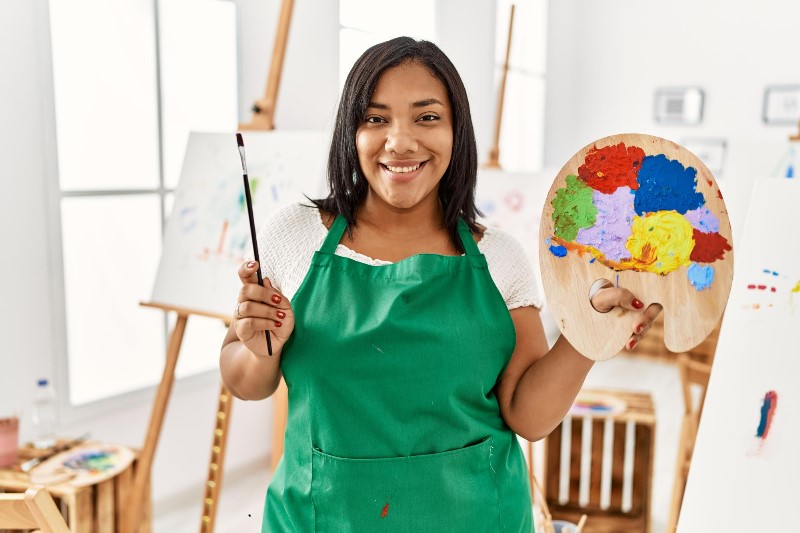
Mental health is not just the absence of illness, but a state in which an individual is successfully able to perform the functions of the mind such that they enjoy their own quality of life, their social interactions and their work. When mental illnesses happens, one of the methods of management include expression through art which is both powerful and empowering.
When people struggle with mental health conditions, one of the many ways they are encouraged and able to verbalize their feelings and emotions, regardless of how difficult, is through art. The accessibility and ease with which it can be done makes it quite attractive to many individuals.
Art is important to mental health as it ensures healing, emotional well-being, personal growth, self-awareness, mindfulness, building connections and a healthy self esteem. Research shows that engaging in arts, either through creating or appreciating by viewing or participating has an impact on the brain’s reward pathways. Such benefits include that it helps to reduce the stress hormone- cortisol, allows for the pleasure feeling and improves blood supply to certain brain areas.
In practice these days, there are now efforts, more than ever before to engage in art therapy. It is often recommended for just about anyone who is being managed for a mental health condition, but especially for those with trauma related issues, autistic disorders, grief, depression, anxiety and even substance use disorders.
While art therapy does not automatically take the place of other traditional forms of interventions including medication and psychotherapy, it complements the efforts towards mental health as it ensures an outlet and creates that bridge between the inner mind and the outside.
Art does not have to be perfect to be beautiful or accepted. You just need to be willing to create, be vulnerable to explore, play, create and watch yourself either make your own masterpiece or get immersed in the appreciation of the work of another. There is indeed beauty in the arts and that beauty is beneficial to mental health.
Remember there is no health without mental health.