
Changing the Narrative: Stand Against Suicide
By Dr. Gbonjubola Abiri
Time and again, the death of individuals via suicide hits the headlines. Each time, we respond differently- with silence, shame, secrecy and even moral judgement. We refuse to talk about it, skirt around it, whisper and even worse off, pretend like it doesn’t exist. These attitudes however do not help. If anything, they embolden the act, worsening the already difficult conversation.
This is why, on the Suicide Prevention Day, September 10th, 2025, the theme encourages that we are “Changing the narrative on suicide”.
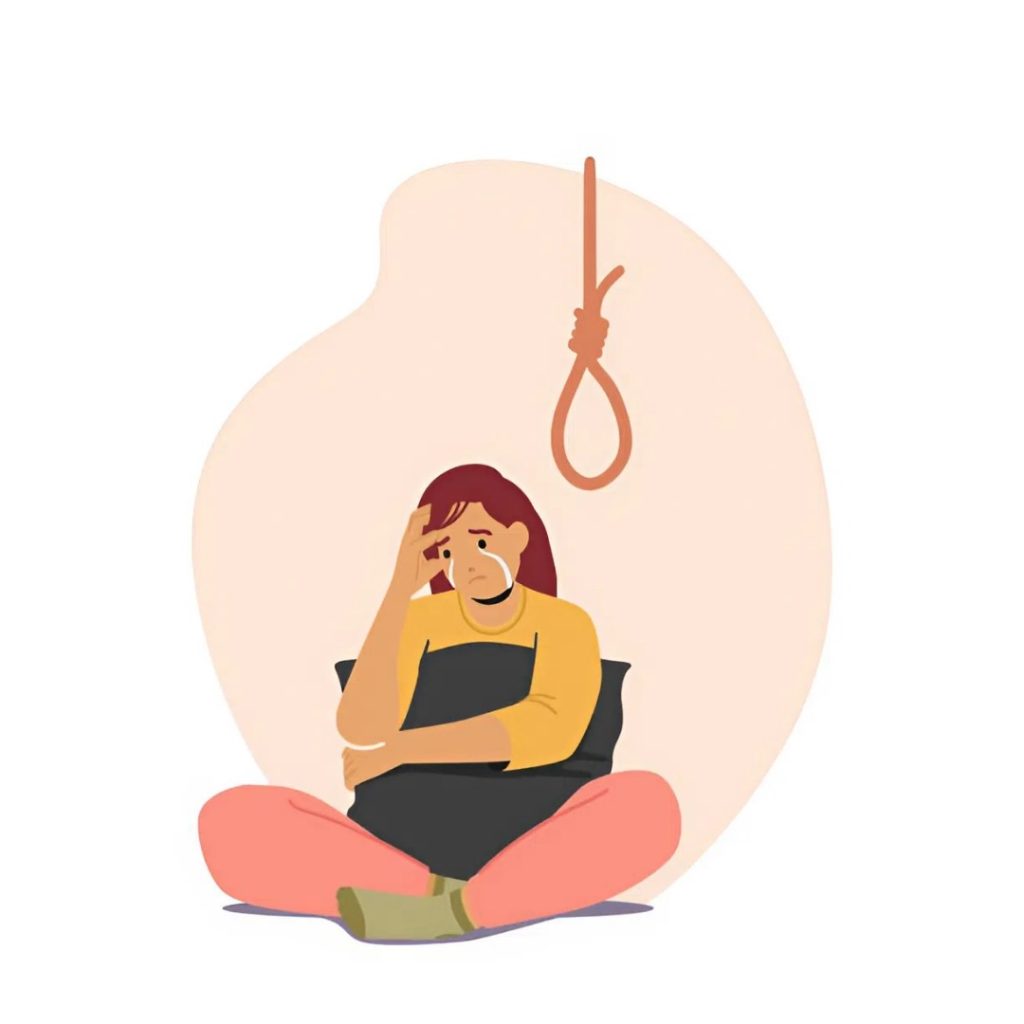
Suicide is a public health issue that results in more than 700,000 deaths every year; meaning one person in 40 seconds dies from suicide. For every successful suicide, there are many more who attempt or are seriously considering it.
Beneath the act is often an undetected, undiagnosed and untreated mental illness. People who consider suicides may be struggling with significant life challenges such as the loss of a loved one, relationship challenges, debilitating illnesses, financial ruin, job loss, and legal challenges.
A major barrier to suicide prevention is misinformation. Some myths that reinforce this include:
- Suicide happens without warning.
Truth- while suicide may appear like it happened out of the blue, some individuals may show changes in sleep, mood, eating habits and may be seen to socially withdraw from others - People who mention suicides are just attention seekers
Truth- considering suicide is often a cry for help. Taking them seriously can be the first step to saving a life. - Asking someone if they are considering suicide puts the idea in their heads
Truth-asking about it doesn’t increase the risk. It may allow the individual open up for discussion
Changing the narrative on suicide involves us reshaping the stories we tell, not just as individuals but as professionals and societies. It entails breaking the silence as we speak openly about the challenges we face including those affecting our mental health without shame and stigma. It ensures that the environment and people can also replace shame and judgement with empathy and kindness. We need to build resilience, encourage people to build and to be support systems and to promote mental health.
While loneliness and hopelessness are significant risk factors for suicide, a simple check-in, a simple ‘how are you my friend?’, a simple ‘what can I do to help in your time of difficulty?’ can create a world of difference as we all work at stemming the tide and changing the narrative on suicide.
Remember there is no health without mental health.